Japan’s Kumamoto got rocked by a 7.1-magnitude earthquake , and it’s the kind of crisis that pulls every thread of the country’s disaster response . You’ve got collapsed buildings, power outages, transport completely scrambled, and people trapped under piles of debris, and whatnot. The whole area feels like it’s hanging by a thread. Authorities are rushing in with rescue crews, warnings about landslides and aftershocks, and making sure folks know this isn’t over yet.
Per Reuters, the prefectural government informed that rescuers were working at the scene overnight at the Aeon Mall Kumamoto shopping centre, where the blast occurred following the quake. Emergency fire rescue teams, police, and Self-Defense Force personnel were working together, too, concentrating search operations on areas of the building where calls for help had been received.
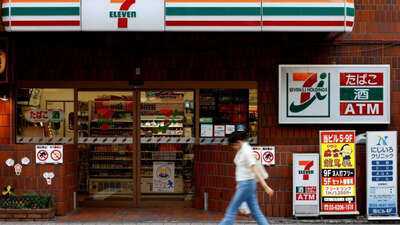
However, tucked away in all this chaos, something uniquely Japanese happens: the konbini (those little convenience stores like 7-Eleven, FamilyMart, and Lawson) suddenly become lifelines. If you’ve ever been in Japan during a disaster, you know these stores do far more than just sling sandwiches and coffee. When earthquakes hit, they morph into community hubs. Really, they’re the spots people flock to for food, water, batteries, medicine, charging their phones, ATM access, and even info updates. Some experts actually consider them part of Japan’s unofficial disaster response network, which sounds dramatic until you see how fast they step up when everything else shuts down.
What happens after the quakeKumamoto’s quake struck shallow and hard, rattling much of Kyushu. Whole blocks had buildings tumble, shopping centers got trashed, fires broke out, and the power blinked out for thousands. From bullet trains to flights, all paused or canceled. To make matters worse, people got moved out of their homes as warnings for landslides piled in. On the upside, there’s been no trouble at local nuclear facilities.
And right in the middle of it all, convenience stores are the first sign of hope. Unlike big supermarkets spread out and might take ages to reopen, Japan’s 55,000-plus convenience stores blanket the country. Most people can walk to one in a few minutes, and a ton of them never close.
What’s their secret weapon?
It’s the logistics.
The major konbini chains have hyper-efficient delivery networks. Normally, they refill every store several times a day with fresh bread or bento. But when disaster strikes, those same trucks swap out lunch for emergency essentials, like water, canned food, batteries, diapers, you name it. Chains even sign disaster agreements with city or regional governments so they can shift gears fast and get relief supplies where they’re needed most, even when roads or other public services are trashed.
The convenience stores to the rescueTake the 2024 Noto Peninsula earthquake, which took place not so long ago. Hundreds of stores closed when roads cracked or the lights went out. But the companies didn’t just throw up their hands. They worked around the clock, reopening stores as soon as possible, sometimes with limited stock, but enough to help cut-off towns grab water, food, and daily necessities, sometimes long before proper relief reached them.
Konbini don’t stop at groceries; they’ve got working ATMs even when the banks are dark. You can charge your phone, use public Wi-Fi, or just get updates on what’s happening. For elderly folks or anyone stuck close to home, having that neighborhood store open means everything.
Why does this work so well? Disaster readiness is baked right into the retail system here. Chains drill staff regularly on emergencies, reinforce their delivery routes, back up the power, and make sure displays get swapped out for only the essentials if things go south. Everyone knows the deal.
Why does Japan face so many earthquakes?Japan’s lived with earthquakes forever. The first and foremost reason being, it’s sitting right on the Pacific “Ring of Fire,” shaking all the time. The big ones, though, like Kobe in 1995, the tsunami in 2011, the previous Kumamoto quakes and Noto Peninsula disaster, just keep reminding everyone how important it is to have strong communities, not just a slick national response. That’s where the konbini fit in: people know these stores, trust them, and rely on them every day. So when disaster strikes, they don’t need to ask where to go; they just head to the nearest store.
After the Kumamoto quake, rescue operations continue, and people are still bracing for more aftershocks or landslides. Shelters are open, crews are scrambling to fix power and transport. For most folks outside Japan, convenience stores are minor stops for snacks or a quick coffee. Here, they mean so much more. These little businesses are a real part of the country’s disaster safety net.
While rescue teams fight to save lives and governments organize shelters, thousands of konbini staff quietly make sure people can still buy water, bread, batteries, or whatever they need, no matter what’s happening outside. Keeping daily life rolling through chaos is something Japan does better than almost anyone, and the humble konbini plays a huge part in making that possible.
-
Lok Sabha passes exam anti-cheating bill amid Opposition criticism

-
CWG 2026: Sachin Siwach guarantees medal, enters 60kg semifinals

-
‘I Felt Like Stealing’:Bengaluru Police Arrest BCA Graduate Who Allegedly Learnt Burglary on YouTube

-
Nirbhay Netri training aims to change mindsets on gender violence

-
Bengaluru Namma Metro Safety Concerns: 59 Track Incidents Since 2012, Pressure Grows to Install PSDs