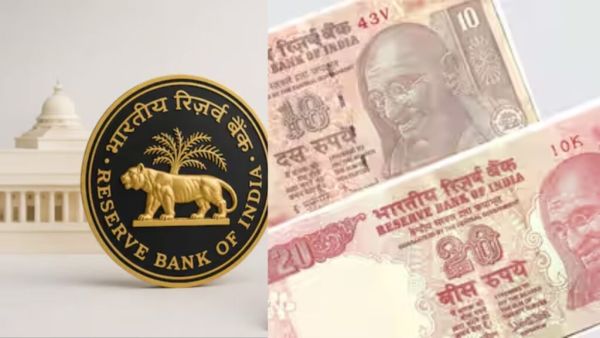
New Delhi: India could soon introduce polymer, or plastic, currency notes as the Reserve Bank of India (RBI) prepares to conduct field trials of the new banknotes. The government has authorized the RBI to print an initial batch of 2 billion polymer notesmarking the country’s first major step towards adopting plastic currency.
What is changing?
According to the government, the RBI will print one billion ₹10 notes and one billion ₹20 notes using polymer material. These denominations were chosen because they are among the most frequently used and tend to wear out quickly.
However, the government has clarified that there is no plan to replace paper currency entirely. Both paper and polymer notes will circulate together if the trials are successful.
Will paper money not work?
The government has clarified that there is no plan to replace existing paper banknotes. Instead, polymer notes will be introduced on a trial basis and circulated alongside paper currency to evaluate their durability, security and performance in real-world conditions before any decision on wider adoption is made.
Why Polymer Notes?
Unlike traditional paper notes, polymer banknotes are made from a durable plastic film. They last significantly longer, are more resistant to dirt, moisture and tearing, and can reduce the cost of printing replacement currency over time.
The RBI has said international studies show polymer notes have a much longer lifespan than conventional paper banknotes.
Field Trials Before Nationwide Rollout
The polymer notes will first undergo field trials to assess their durability, security features and public acceptance before any wider rollout.
To support the project, Bharatiya Reserve Bank Note Mudran Pvt Ltd (BRBNMPL) has invited bids from manufacturers capable of supplying high-security polymer substrates. The tender includes strict national security conditions, including restrictions on sourcing materials from China or Pakistan.
Many Countries Already Use Polymer Notes
Australia was the first country to introduce polymer banknotes in 1988. Today, around 60 countries, including the UK, Canada, Singapore, Malaysia and New Zealand, use polymer currency in at least some denominations.
If the trials are successful, India will join the growing list of nations using more durable and secure plastic banknotes while continuing to circulate existing paper currency.
-
‘I gave my blood’ - Neymar confirms Brazil retirement and defends his behaviour at Santos after ‘annoying’ reports

-
Delhi court grants bail to two law students for SC courtroom ruckus
-
Now vada pav, samosa-chips will not be available outside the school! Big decision of Maharashtra government. Maharashtra Junk Food Ban Near Schools Fda Hfss Food Ban Fssai School Canteen Rules

-
India will become a leader in 6G technology, will play an important role in setting global standards. India To Play A Leading Role In 6g Technology Development Standards
-
CAT Stock Slides 8% — Baird Downgrades Caterpillar Over Data Center Backlash