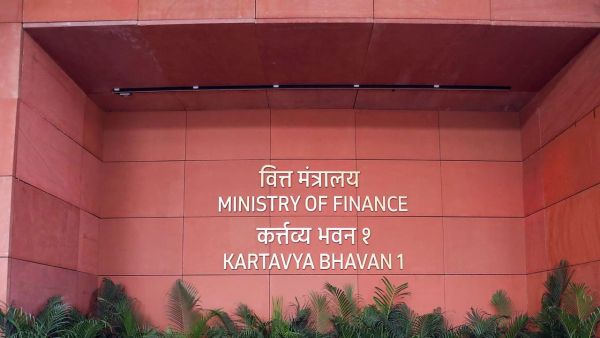
India's economic outlook is resilient despite global risks, backed by strong fundamentals and reforms, says a Finance Ministry report. It notes growth drivers but cautions on inflation, deficits, and geopolitical tensions, urging strategic preparedness.
India's economic outlook remains resilient despite heightened global uncertainties, supported by strong domestic fundamentals, continued policy support and structural reforms undertaken over the last decade, according to the Monthly Economic Review released by the Department of Economic Affairs under the Ministry of Finance. The report said structural reforms and sustained infrastructure investments have contributed to the economy's resilience, as reflected in economic data for the period from March to June 2026.
"Overall, despite heightened global uncertainties, India's economic outlook remains underpinned by resilient domestic fundamentals, continued policy support, and strengthening structural drivers of growth," the review said. However, it cautioned that upside risks to inflation, fiscal and current account deficits, along with downside risks to growth, remain due to the persistent stand-off in the Gulf region. It also noted that developments related to artificial intelligence and the weaponisation of global supply chains highlight the need for India to strengthen long-term economic resilience and strategic capabilities.
Policy Response and Preparedness
The report said swifter policy responses and timely implementation would be essential to encourage both domestic and foreign investment. It added that recent years have required India to strengthen its economic resilience, and the coming years are expected to demand similar preparedness.
Macroeconomic Outlook and Global Headwinds
The review observed that the global economy continues to face elevated uncertainty amid geopolitical tensions and evolving trade and financial conditions, with risks remaining tilted to the downside. Against this backdrop, India's macroeconomic fundamentals and strong domestic demand are expected to continue supporting economic activity. The Reserve Bank of India has projected 6.6 per cent GDP growth for FY27, while acknowledging downside risks to the outlook.
Inflation Outlook
On inflation, the report said global crude oil price movements arising from geopolitical developments and the possibility of El Nino weather conditions are being closely monitored. It added that the domestic inflation outlook remains cautious but well supported through active price stability measures, robust agricultural commodity procurement and targeted contingency plans. Internationally, the International Monetary Fund has projected global headline inflation at 4.7 per cent for 2026, while the RBI's Monetary Policy Committee has retained the policy repo rate at 5.25 per cent with a neutral stance and projected FY27 CPI inflation at 5.1 per cent.
Industrial Sector Performance
The report further noted that the revised Index of Core Industries, with 2022-23 as the base year, recorded 5.0 per cent year-on-year growth in June 2026. It added that the revised Index of Industrial Production indicated manufacturing activity remained resilient in May 2026, supported by sustained capital goods-led investment despite moderation from the high growth seen earlier in the year.
Strategic Initiatives for Growth
Looking ahead, the ministry said continued implementation of strategic initiatives such as Semicon 2.0, critical minerals, coal gasification and shipbuilding, along with measures to simplify regulatory compliance and facilitate manufacturing, are expected to strengthen domestic manufacturing capabilities, improve supply-chain resilience and enhance the competitiveness of India's industrial sector. Progress in emerging sectors including commercial space and hydrogen-based mobility was also cited as evidence of expanding industrial and technological capabilities.
The review also emphasised the need to build adequate buffers in energy, industrial metals and critical minerals, noting that sustained firmness in their prices highlights the importance of resilience-building for long-term industrial and macroeconomic stability.
External Sector Resilience
On the external front, the report said India's external sector continues to demonstrate resilience despite geopolitical tensions affecting global trade and cross-border capital flows. It attributed this to strong export performance, a services trade surplus and steady remittance inflows. It added that recent policy measures are expected to support capital inflows in the near term, while adequate foreign exchange reserves are likely to further strengthen the resilience of the external sector. (ANI)
(Except for the headline, this story has not been edited by Asianetnews Editorial staff and is published from a syndicated feed.)-
Sawan Home Decor Tips: Give a traditional and fresh look to your home with these easy decoration ideas in Sawan.

-
Sawan Home Decor Tips: Give a traditional and fresh look to your home with these easy decoration ideas in Sawan.

-
Pattoor Accident: Speeding Car Triggers Chaos on Busy Road, Several Injured!

-
Tech, R&D to drive India’s next phase of economic growth: Goyal
-
Why you should add papaya seeds to your diet