Translated by
A weak point in Morocco’s project: Lekjaa raises the alarm
The other side of Moroccan football’s rise: a major crisis still waiting for a solution
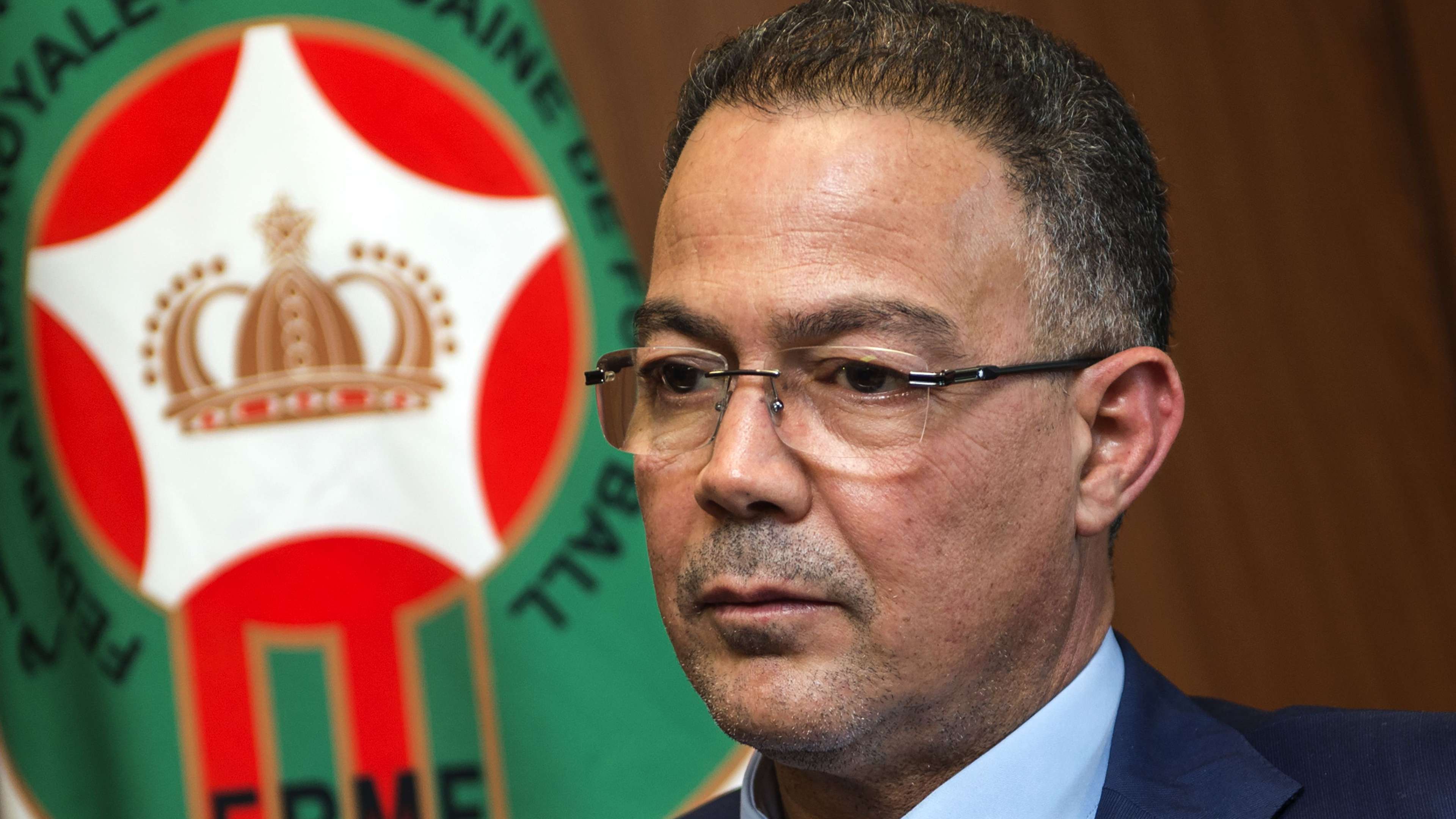
Moroccan football continues to record eye-catching progress at national-team level, in infrastructure and on the international stage. Yet Fouzi Lekjaa, the president of the Royal Moroccan Football Federation, has once again warned about a very different reality inside the domestic league. He pointed to rising debts, widening disputes and matches becoming a platform for protests.
The warning is significant. It comes from the man who has been in charge of Moroccan football since 2014, a period that began several financial and administrative reform initiatives. The available financial figures paint a worrying picture: several of the biggest clubs are still dealing with debts and disputes worth millions of dollars. That raises new questions about how far the reforms have really gone in solving one of the most complicated issues in the professional game.
A clear technical gap: protests and debts have become the identity of the tournament
At a preparatory workshop for the 2026-2027 sporting season, Lekjaa told the gathering of professional league coaches and members of the National Technical Directorate that the domestic league is now very different from earlier times, when Moroccan clubs were the main source of players for the national teams.
He said Morocco’s recent World Cup participation in the United States exposed this gap clearly. The domestic league contributed only two reserve goalkeepers to the national team, while foreign clubs provided the majority of the internationals.
The backbone of the national teams, he added, now relies increasingly on graduates of the Mohammed VI Football Academy, along with players competing in European leagues.
Lekjaa then shifted his criticism to the domestic competitions. He said league matches have turned into a stage for protests and mutual accusations over refereeing and the filing of complaints, instead of serving as a platform to raise the technical standard.
He also warned that growing debts and financial shortfalls at clubs have increased the number of dispute files before the judicial and appeals committees. Their impact has reached FIFA, with the number of cases involving Moroccan clubs continuing to rise.
The federation president did not give any figures to show the scale of the crisis he described, according to the report published by Radio Mars two days ago.
Read also: Announcement, deletion, then official confirmation: Zamalek ends John Edward’s journey in a chaotic scene
The figures tell the story: millions of dollars in debts and unresolved disputes
Data published during 2026 gives a more detailed picture. Figures from the professional league showed that only 8 clubs in the first division have financial disputes amounting to nearly 29.5 million dirhams, roughly 3.2 million dollars.
Ittihad Tangier are at the top of the list with more than 12.5 million dirhams (around 1.3 million dollars). Difaa El Jadidi follow with about 7.2 million dirhams (around 770,000 dollars), then Wydad AC with close to 3.9 million dirhams (around 420,000 dollars).
Wydad’s documents point to a wider crisis. Their obligations towards staff and players reached 30.75 million dirhams (around 3.3 million dollars), of which 18.8 million dirhams (around two million dollars) are unpaid signing bonuses.
Disputes are also continuing elsewhere. Of a total 41 million dirhams owed to other clubs, 28.2 million dirhams (around 3 million dollars) are still the subject of cases before FIFA or the Court of Arbitration for Sport, while the club’s cash liquidity has moved from a surplus to a negative balance.
Raja Club Athletic present a different picture. A financial assessment showed the deficit falling from 145.6 million dirhams to 99.5 million dirhams (from around 15.6 million dollars to 10.6 million dollars) between 2024 and 2025. Yet the provisions linked to legal and tax disputes remained above 109 million dirhams (around 11.7 million dollars), showing the continuing impact of accumulated cases.
Read also: He no longer enjoys the game: 3 scenarios that write the final chapters of Neymar’s story
12 years of reforms, and the financial issue is still unresolved
Lekjaa has been president of the Royal Moroccan Football Federation since 2014. During these years, Moroccan football has been transformed: the national teams have flourished, infrastructure has expanded, tournaments have arrived, and the country has strengthened its standing within international football institutions. The professional league’s budget has also risen to 965 million dirhams for the new season, roughly 103 million dollars.
Even so, club finances have remained a problem at almost every turn, despite repeated talk of reforming the professional system and tightening financial governance.
With each new term, the federation links its message to continued reform and the consolidation of gains. The warnings Lekjaa issued this week have brought the same long-standing issues back into the spotlight, especially debts, financial deficits and a long list of disputes.
ENJOYED THIS STORY?
Add GOAL.com as a preferred source on Google to see more of our reporting
A fix that took years... and a law that stayed on hold
Turning clubs from associations into sports companies is one of the most important projects put forward by the federation to correct financial imbalances. But this process started slowly.
The law governing this transition was issued in 2004, yet Lekjaa admitted in October 2025 that the law “was not implemented as required”. He explained that the first real experiments only began in recent years, before the government stepped in with tax incentives to accelerate the transition.
So one of the most important tools of financial reform needed many years before it was actually put into practice, even though it remained a central pillar in the rhetoric of professionalism reform.
Read also: Piqué sparks controversy over Real Madrid’s transfers, and reveals another side of Yamal’s life
Legitimate questions
These figures do not mean that the project to develop Moroccan football has failed. The national teams have made remarkable progress, the infrastructure has improved, and Morocco have strengthened their presence both in Africa and internationally in recent years. Lekjaa’s own remarks, however, tell a different story elsewhere. The professional league, which should be the natural base of this project, still suffers from financial and technical imbalances that the federation president admits are limiting its ability to match those achievements.
Those remarks matter even more because they come from the man who has led the football system for more than twelve years. Across his successive terms he has carried the banner of continued reform and stronger professionalism. Now the figures show persistent debts and disputes, and Lekjaa acknowledges the growing gap between the national team and the domestic league. One question is difficult to avoid: if Moroccan football is going through one of its most successful periods at international level, why does the domestic league, after more than a decade of reforms, still remain the weakest link in this project? Are the measures being discussed today enough to deal with a crisis that has lasted for years, or does the file require a deeper review of the reform path itself?
Read also: The Brazil moment summed up everything: Morocco’s coach identifies how Bouaddi can succeed at Real Madrid or City
-
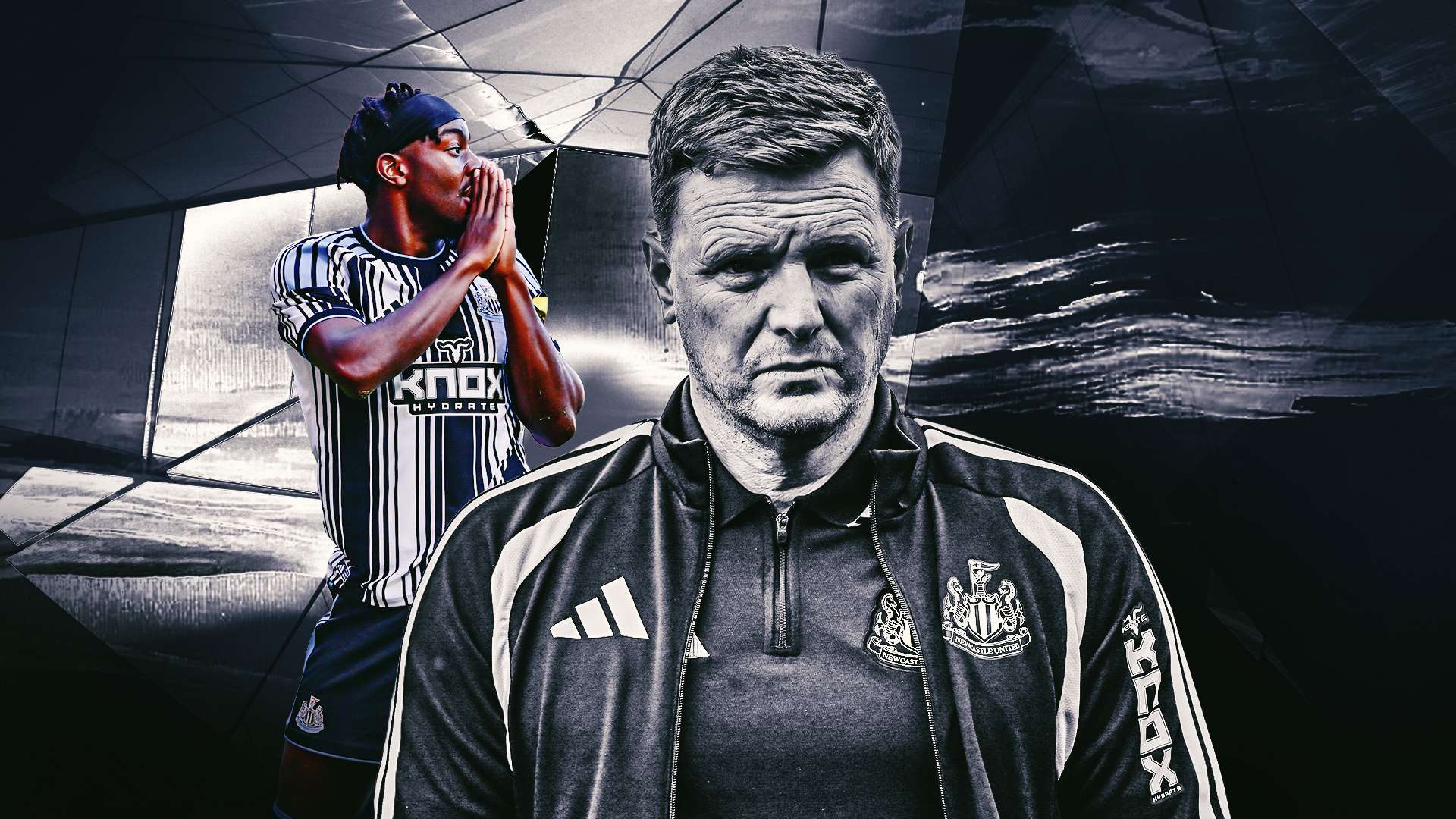
From Alexander Isak's sale to major transfer misfires: Newcastle's troubled year left Eddie Howe in an impossible situation
-
Zomato delivery boy accused in 17 cases arrested in Hyderabad
-
Chamba Incidents Highlight Transport and Safety Concerns in Hilly Regions

-
What's Next for India-UK Relations? PM Modi and PM Burnham Discuss Strategic Partnership
-
Kashi Rudras Unveils New Jersey for Upcoming UPT20 League Season