What’s the Difference Between ‘Sell By,’ ‘Use By,’ and ‘Best By’ Dates?
Every year, millions of tons of food are thrown away because people misunderstand the dates printed on food packaging. Many consumers assume that once a product passes the printed date, it is no longer safe to eat. However, in most cases, these labels are intended to indicate quality rather than safety.
Understanding the difference between “Sell By,” “Use By,” and “Best By” dates can help consumers make informed decisions, reduce food waste, save money, and ensure food safety.
Why Do Food Products Have Date Labels?
Food manufacturers use date labels to provide guidance about a product’s freshness and quality. These labels help retailers manage inventory and help consumers know when the product is likely to taste its best.
Contrary to popular belief, most food date labels are not expiration dates. Except for certain highly perishable products, many foods remain safe to eat after the printed date if they have been stored correctly.
1. What Does “Sell By” Mean?
A “Sell By” date is primarily intended for grocery stores and retailers. It tells stores how long they should display the product for sale.
Purpose:
- Helps stores rotate inventory.
- Ensures customers purchase products while they are still at peak quality.
- It is not a safety deadline.
Can You Eat Food After the Sell By Date?
Yes, in many cases.
If the food has been stored properly and shows no signs of spoilage, it may still be safe to consume for several days—or even longer, depending on the type of food.
Examples:
- Milk may remain good for 5–7 days after the Sell By date if refrigerated.
- Yogurt can often last 1–2 weeks beyond the Sell By date.
- Bread may remain edible for several days if no mold develops.
2. What Does “Best By” Mean?
The “Best By” or “Best Before” date indicates when a product will have its best flavor, texture, aroma, and overall quality.
Purpose:
- Indicates peak quality.
- Does not indicate food safety.
- Helps consumers enjoy products at their freshest.
Can You Eat Food After the Best By Date?
Usually, yes.
Many shelf-stable foods remain perfectly safe after this date, although their taste or texture may gradually decline.
Examples:
- Breakfast cereals may become less crunchy.
- Chips may lose crispness.
- Cookies may become softer.
- Coffee may lose aroma over time.
3. What Does “Use By” Mean?
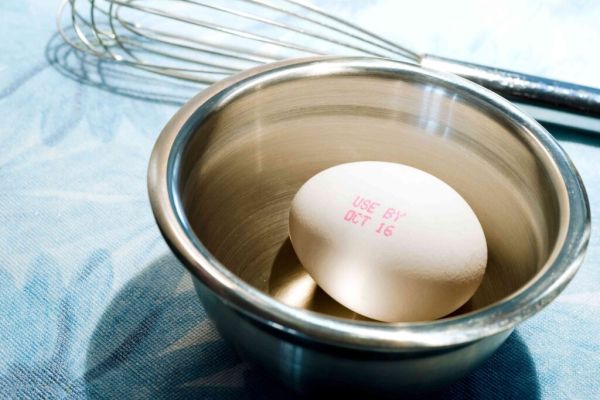
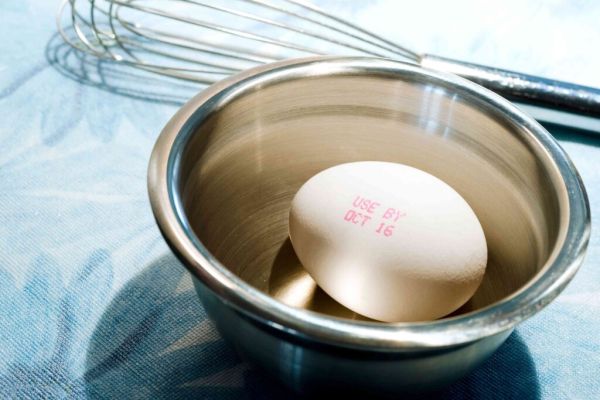
The “Use By” date is the last date recommended by the manufacturer for consuming the product while it is at its best quality. For highly perishable foods, it is also an important food safety guideline.
Purpose:
- Indicates the recommended last day for use.
- Commonly appears on fresh, refrigerated foods.
- Should be taken seriously, especially for products that spoil quickly.
Products That Often Have Use By Dates
- Fresh meat
- Poultry
- Seafood
- Fresh dairy products
- Ready-to-eat meals
- Fresh salads
After the Use By date, consumers should be especially cautious. If there is any doubt about the product’s freshness or storage conditions, it is safer to discard it.
Understanding the Difference
| Label | Intended For | Focus | Safe After Date? |
|---|---|---|---|
| Sell By | Retailers | Inventory management | Often yes, if stored properly |
| Best By | Consumers | Quality and freshness | Usually yes |
| Use By | Consumers | Quality and, for some foods, safety | Depends on the food; caution is advised |
Common Myths About Food Date Labels
Myth 1: Every printed date is an expiration date.
Reality: Most labels indicate quality, not safety.
Myth 2: Food becomes unsafe the day after the date.
Reality: Many foods remain safe if properly stored.
Myth 3: You should throw away food immediately after the date.
Reality: Check the food first. Look for signs of spoilage such as:
- Mold
- Sour or unpleasant smell
- Unusual color
- Slimy texture
- Damaged or swollen packaging
Tips for Safe Food Storage
To maximize freshness and reduce food waste:
- Keep your refrigerator at or below 40°F (4°C).
- Freeze foods you won’t use soon.
- Store products according to package instructions.
- Keep raw meat separate from ready-to-eat foods.
- Follow the “First In, First Out” rule by using older products before newer ones.
Why Understanding These Labels Matters
Misunderstanding food date labels contributes significantly to household food waste. By learning what each label actually means, consumers can:
- Reduce unnecessary food waste.
- Save money on groceries.
- Make smarter purchasing decisions.
- Maintain proper food safety practices.
- Help reduce environmental impacts associated with wasted food.
Final Thoughts
While “Sell By,” “Best By,” and “Use By” dates may look similar, they serve different purposes. A Sell By date helps retailers manage stock, a Best By date indicates when food is at its highest quality, and a Use By date provides the manufacturer’s recommendation for when a product should be consumed, particularly for perishable items.
Instead of relying solely on the printed date, consumers should also consider proper storage conditions and inspect food for signs of spoilage before deciding whether to keep or discard it. Understanding these labels can help families enjoy food safely while reducing unnecessary waste and saving money.