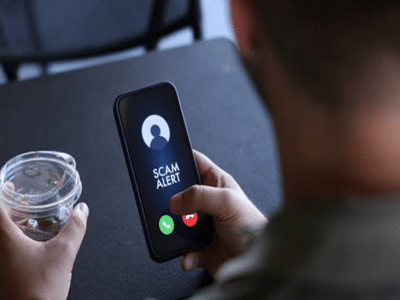

Artificial Intelligence (AI) has made everyday tasks easier, but it has also given cybercriminals new ways to trick people. From fake voice calls to realistic phishing messages and AI-generated images, online scams are becoming more convincing than ever.
Knowing how to identify these scams can help you protect your money and personal information.
1. Calls That Sound Like Someone You KnowScammers can now use AI to clone a person's voice using short audio clips from social media or messaging apps.
If you receive a call from a family member or friend urgently asking for money, verify it by calling them back on their regular number before taking any action.
2. Messages That Create PanicFraudsters often send messages claiming that your:
-
Bank account will be blocked
-
KYC has expired
-
UPI account has been suspended
-
SIM card will stop working
These messages are designed to make you act quickly without thinking.
3. Fake Customer Support NumbersMany scammers create fake websites or social media pages that display fraudulent customer care numbers.
Always visit the company's official website or app to find genuine support contact details.
4. AI-Generated Images and VideosAI tools can create highly realistic fake images and videos.
Before believing or sharing viral content:
-
Check the source.
-
Look for reports from trusted news organisations.
-
Be cautious of sensational claims.
Remember:
Scanning a QR code to receive money is unnecessary.
Fraudsters often trick users into scanning QR codes that actually authorise payments instead of receiving them.
Always read the payment confirmation screen carefully before approving a transaction.
6. Fake Job OffersScammers use AI-generated emails and chat messages to advertise high-paying remote jobs.
Warning signs include:
-
Asking for registration fees
-
Requesting personal banking details early
-
Promising unrealistic salaries
-
Conducting interviews only through messaging apps
Legitimate employers do not ask candidates to pay money for a job.
7. Too-Good-To-Be-True Investment SchemesAI-generated advertisements may feature fake celebrity endorsements promoting investment apps or cryptocurrency platforms.
If an investment promises guaranteed high returns with little or no risk, treat it with extreme caution.
8. Requests for OTPs or UPI PINsNo genuine bank, payment company, or government agency will ask you for:
-
Your OTP
-
UPI PIN
-
Debit or credit card PIN
-
Internet banking password
Never share these details with anyone, even if they claim to be calling from your bank.
How to Stay SafeFollow these simple precautions:
-
Enable two-factor authentication on important accounts.
-
Keep your phone and apps updated.
-
Download apps only from trusted app stores.
-
Use strong, unique passwords.
-
Verify unexpected requests for money through a separate communication channel.
-
Think twice before clicking unknown links or scanning QR codes.
If you believe you've been targeted:
Stop communicating with the suspected scammer.
Contact your bank immediately if you've shared financial information.
Change your passwords for affected accounts.
Report the incident through your bank's official customer support and the appropriate cybercrime reporting channels in your country.
AI is transforming technology, but it is also making online scams more sophisticated. Staying informed and verifying unexpected requests can go a long way in protecting your finances and personal data. A few moments of caution today can prevent significant losses tomorrow.
-
Quote Of The Day | Clint Eastwood On Why Self-Respect And Discipline Create Real Power

-
Al-Hilal move closer to Iliman Ndiaye transfer, but Everton are holding out for €95m

-
Decoding Indian Hockey Team's Bold Saffron Jersey For Hockey World Cup 2026: Lord Vishnu's Sudarshan Chakra Takes Centre Stage; Divides Internet

-
US Court Orders Indian National's Deportation In Staged U Visa Fraud Case

-
'There Is No Pakistani Kashmir': India Slams NYT Over PoK Reference, Reaffirms Jammu & Kashmir And Ladakh As Integral Parts