How to burp a baby correctly: Different positions that actually work
ETimes | July 31, 2026 6:39 PM CST

Feeding a newborn isn’t as simple as feeding a grown-up. Simply giving milk and putting the baby down to sleep isn’t how it works. Many babies swallow small amounts of air while feeding, and that trapped air can leave them uncomfortable, fussy, or prone to spitting up. This is where burping comes in.
According to the , there is no single "correct"method to help babies burp. Every baby responds differently to different burping positions. This is why it is important for parents to experiment and find out what works out best for their infant.
Why do babies need to burpBabies don’t have a mature digestive system like adults and other children. During feeding, especially if they are gulping quickly, babies might swallow air along with milk. When air gets trapped, it can cause a bloated tummy, fussiness, difficulty settling to sleep, or the baby may even cry without an obvious reason. Burping helps release the swallowed or trapped air from the baby's stomach.
There are no fixed rules for helping a baby burp or determining if a baby must burp. Interestingly, neither every feeding nor every baby needs burping. While some babies naturally release swallowed air, others may need frequent burping breaks during a feed. Thus, instead of following strict rules- parents should look for cues. These signs may include:
Once parents notice these cues, they can intervene to help the baby burp. Here’s a burping position guide:
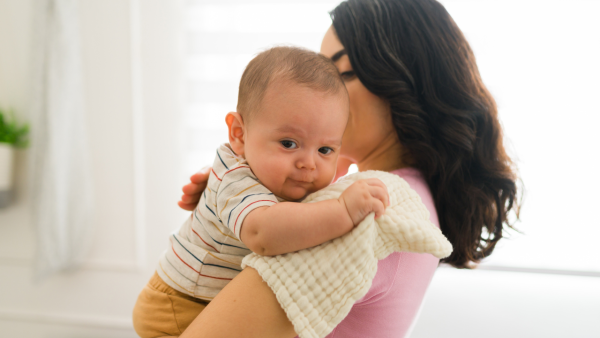
Position 1: Over the shoulderThis is like the classic burping positive and often known as the most effective.
How to do it
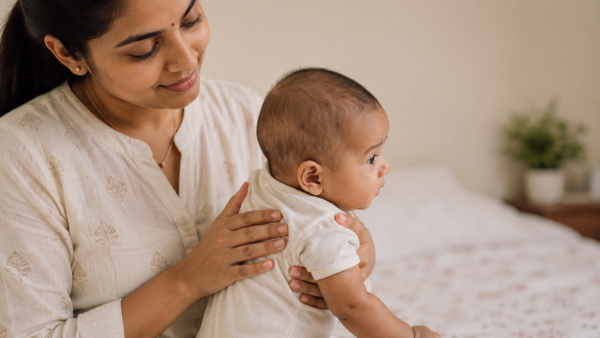
Position 2: Sitting on your lapMany parents find this position effective for babies who refuse to burp over the shoulder.
How to do it
Position 3: Across your lapThis position uses gentle pressure from the baby's own body weight.

How to do it
For how long should you try?The NHS advises that a couple of minutes is usually enough. If no burp comes after trying different positions and your baby appears calm and comfortable, it's okay to continue the feed or let them rest.
Disclaimer: This article is intended for informational purposes only and should not be considered a substitute for professional medical advice, diagnosis, or treatment.
According to the , there is no single "correct"method to help babies burp. Every baby responds differently to different burping positions. This is why it is important for parents to experiment and find out what works out best for their infant.
Why do babies need to burpBabies don’t have a mature digestive system like adults and other children. During feeding, especially if they are gulping quickly, babies might swallow air along with milk. When air gets trapped, it can cause a bloated tummy, fussiness, difficulty settling to sleep, or the baby may even cry without an obvious reason. Burping helps release the swallowed or trapped air from the baby's stomach.
There are no fixed rules for helping a baby burp or determining if a baby must burp. Interestingly, neither every feeding nor every baby needs burping. While some babies naturally release swallowed air, others may need frequent burping breaks during a feed. Thus, instead of following strict rules- parents should look for cues. These signs may include:
- Squirming
- Arching back
- Pulling away from the bottle or breast
- Or, crying during feeding
Once parents notice these cues, they can intervene to help the baby burp. Here’s a burping position guide:
Position 1: Over the shoulderThis is like the classic burping positive and often known as the most effective.
How to do it
- Hold your baby upright against your chest.
- Rest their chin gently on your shoulder.
- Support the baby's head and neck with one hand.
- With your other hand, gently rub or pat the upper back.
- Plus, walk slowly while patting to help trapped air move forward easily.
Position 2: Sitting on your lapMany parents find this position effective for babies who refuse to burp over the shoulder.
How to do it
- Sit the baby upright on your lap, facing away from you.
- Place one hand around the baby's chest.
- Support the chin and jaw- not the throat- with your fingers.
- Lean the baby slightly forward.
- Use your free hand to gently pat or rub the back.
Position 3: Across your lapThis position uses gentle pressure from the baby's own body weight.
How to do it
- Lay the baby face down across your lap.
- Ensure the baby's head is slightly higher than the chest.
- Support the chin with one hand.
- Gently rub or pat the back with the other hand.
For how long should you try?The NHS advises that a couple of minutes is usually enough. If no burp comes after trying different positions and your baby appears calm and comfortable, it's okay to continue the feed or let them rest.
Disclaimer: This article is intended for informational purposes only and should not be considered a substitute for professional medical advice, diagnosis, or treatment.
READ NEXT
-
Snake Sightings: Why Shravan Brings More Encounters? Nag Panchami Link Explained!

-
Bryan Johnson Stores Girlfriend’s Menstrual Blood at -80°C, Sparks Debate

-
Coconut Sprout: That Flower-Like Surprise Inside Is More Valuable Than You Think!

-
Hair Care: Coffee in Your Shampoo for Growth? Here’s What Experts Say!

-
August Launches: AI-Powered Smartphones With Super Batteries Are Set to Arrive!