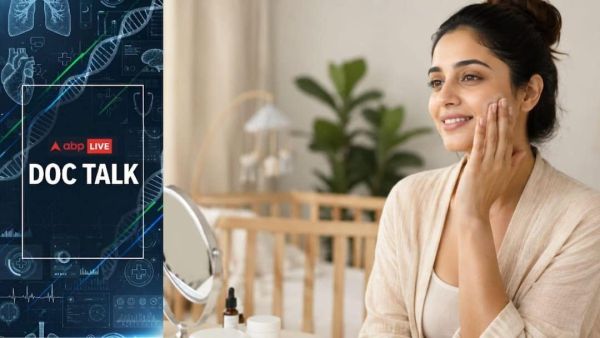
Pregnancy brings incredible changes to a woman's body, and while many focus on the baby's arrival, the skin often undergoes noticeable transformations that continue even after childbirth. Hormonal fluctuations, weight changes, stress, lack of sleep, and nutritional demands can all affect the skin's health during the postpartum period. The good news is that most of these changes are temporary and can be managed with proper care and timely medical guidance.
Common Skin Changes After Pregnancy
One of the most common concerns is melasma, often called the "mask of pregnancy," which appears as dark patches on the cheeks, forehead, or upper lip. Although it usually fades over time, sun exposure can make pigmentation more prominent. Stretch marks are another common issue caused by rapid stretching of the skin during pregnancy. While they gradually become lighter, they may not disappear completely without treatment.
Many new mothers also experience postpartum acne, even if they never had acne before. Hormonal changes, combined with stress and lack of sleep, can trigger breakouts. Others may notice dry, sensitive skin or mild skin laxity, particularly around the abdomen, due to reduced collagen and elastin.
Caring For Your Skin
A simple and consistent skincare routine can help restore skin health. Cleanse your skin with a gentle face wash, moisturise regularly, and apply a broad-spectrum sunscreen every day to protect against pigmentation. Staying hydrated, eating a balanced diet rich in proteins, vitamins, and antioxidants, and getting adequate rest whenever possible also support skin repair from within. Avoid trying multiple skincare products at once, especially while breastfeeding. If you wish to use active ingredients such as retinoids or chemical exfoliants, consult a dermatologist first.
When To Seek Professional Help
If pigmentation, acne, stretch marks, or loose skin persist for several months or begin affecting your confidence, it is advisable to consult a dermatologist. Early intervention often leads to better outcomes and helps identify treatments that are safe during the postpartum period.
For women seeking advanced non-surgical options to improve persistent stretch marks, acne scars, uneven skin texture, or mild skin laxity after pregnancy, dermatologist-guided treatments using technologies such as Alma Hybrid may be considered to support collagen remodelling and skin rejuvenation.
Give Your Skin Time To Heal
Every woman's postpartum journey is unique, and so is her skin's recovery. It is important to remember that your body has undergone tremendous change over nine months, and healing takes time. Avoid comparing your recovery with others or expecting instant results.
With healthy lifestyle habits, consistent skincare, sun protection, and expert guidance when needed, most post-pregnancy skin concerns can be effectively managed. Caring for your skin is not about achieving perfection—it is about supporting your body's natural recovery and embracing motherhood with confidence and good health.
-
Real Madrid put Rodri move on hold for now as club prioritises Yan Diomande signing

-
Financial Horoscope Today, July 31, 2026: Taurus Will Achieve Great Success, Know the Status of Other Signs

-
Woman arrested while purchasing new born in Hyderabad’s Balapur

-
8th Pay Commission: Can Minimum Basic Pay Rise from ₹18,000 to ₹69,000? Here's the Calculation Behind the Demand

-
Deluge with monsoon deficit is India's new climate normal