
High humidity, wet clothes and reduced water intake during the rainy season can increase the risk of urinary tract infections. Experts explain who is most vulnerable, warning signs to watch for and practical preventive measures.
Pune: The monsoon season brings welcome relief from the summer heat, but it also creates conditions that can increase the risk of urinary tract infections (UTIs). Doctors say that high humidity, damp clothing and changes in daily habits during the rainy season make it easier for bacteria to multiply and enter the urinary tract.
A urinary tract infection occurs when bacteria infect any part of the urinary system, including the bladder, urethra, kidneys or ureters. While UTIs can occur throughout the year, healthcare professionals report that cases often rise during the monsoon.
According to urologists, one of the biggest reasons is not just the humid weather but a common lifestyle habit. During rainy days, many people drink less water because they do not feel as thirsty. Reduced water intake leads to concentrated urine and less frequent urination, allowing bacteria to remain in the urinary tract for longer periods and increasing the risk of infection.
Spending long hours in wet clothes after getting drenched in the rain can also create a warm, moist environment that encourages bacterial and fungal growth. Wearing tight or synthetic undergarments that trap moisture may further increase the risk.
Women are generally more prone to UTIs because they have a shorter urethra, making it easier for bacteria to reach the bladder. However, men are not immune. The risk is higher in men with diabetes, kidney stones, an enlarged prostate or other urinary tract conditions.
-
Hyderabad influencer alleges custodial torture in Bhavani Nagar

-
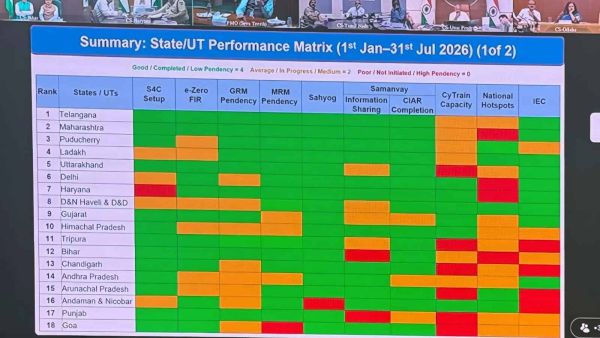
Telangana tops key cybercrime initiatives in India, says PMO
-
JLL opens Hyderabad Global Capability Centre, to create 1.6K jobs

-
'Tax My Kidney Too': Viral Social Media Post Roasts UPI MDR Proposal, FM Responds
-
'I Opened The ICU Door And...': Pradeep Rawat's Son Recalls Actor's Final Moments