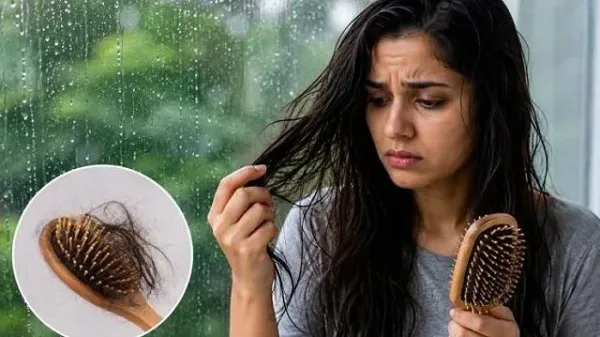
The arrival of the monsoon brings much-needed relief from the summer heat, but it can also create several hair care challenges. Increased humidity, rainwater, sweat, and scalp infections often lead to excessive hair fall, dandruff, frizz, and greasy hair.
While some seasonal hair shedding is normal, adopting the right hair care routine can help minimize damage and keep your hair healthy throughout the rainy season.
Why Does Hair Fall Increase During Monsoon?
Several factors contribute to increased hair fall during the rainy season, including:
- High humidity that weakens hair roots
- Rainwater containing pollutants and impurities
- Excess sweat and oil buildup on the scalp
- Increased risk of fungal infections and dandruff
- Poor scalp hygiene
- Nutritional deficiencies
1. Wash Your Hair Regularly
Humidity causes sweat, dirt, and oil to accumulate quickly on the scalp. Wash your hair two to three times a week using a mild shampoo to keep the scalp clean without stripping away its natural moisture.
2. Don’t Leave Rainwater on Your Hair
If your hair gets wet in the rain, rinse it with clean water as soon as possible. Rainwater may contain dust, pollutants, and acidic particles that can irritate the scalp and weaken hair strands.
3. Keep Your Scalp Dry
A damp scalp creates the perfect environment for fungal infections and dandruff. After washing your hair or getting caught in the rain, dry your hair thoroughly using a soft towel or a hair dryer on a cool setting.
4. Oil Your Hair in Moderation
Applying a small amount of coconut, almond, or argan oil before shampooing can help nourish your hair. However, avoid leaving heavy oil on your scalp for extended periods during humid weather, as it may attract dirt and clog pores.
5. Eat a Hair-Healthy Diet
Strong hair starts with proper nutrition. Include foods rich in:
- Protein
- Iron
- Zinc
- Biotin
- Vitamin D
- Omega-3 fatty acids
Eggs, fish, nuts, seeds, leafy greens, fruits, and legumes can help support healthy hair growth.
6. Avoid Excessive Heat Styling
Frequent use of hair dryers, straighteners, and curling irons can weaken already fragile hair. Whenever possible, allow your hair to air-dry and limit heat styling during the monsoon.
7. Use a Wide-Tooth Comb
Wet hair is more prone to breakage. Instead of brushing aggressively, use a wide-tooth comb to gently detangle your hair, starting from the ends and working upward.
When Should You See a Doctor?
Consult a dermatologist if you experience:
- Severe or persistent hair loss
- Bald patches
- Intense itching
- Heavy dandruff
- Scalp redness or infection
- Hair fall lasting more than a few months
These symptoms may indicate an underlying medical condition that requires treatment.
The Bottom Line
Hair fall during the monsoon is common, but it doesn’t have to become a major concern. Keeping your scalp clean, protecting your hair from rainwater, maintaining a healthy diet, and following a gentle hair care routine can significantly reduce seasonal hair loss. If hair fall becomes excessive or is accompanied by scalp problems, seek advice from a qualified healthcare professional for proper diagnosis and treatment.
Disclaimer: This article is for informational purposes only and should not be considered a substitute for professional medical advice. Consult a dermatologist or healthcare provider if you experience persistent or severe hair loss.
-
Infantino drops plan to sell World Cup profits after backlash

-
Forgive me, I’m 15: Protester apologises for anti-PM comments
-
Neeraj Chopra Secures Silver at Commonwealth Games Amid Challenging Conditions

-
SIR: 16.4% names deleted from Haryana draft voter list, 10% in Andhra Pradesh

-
Gold Price Today: Gold gets costlier on the first day of August; prices for both 24-carat and 22-carat gold have risen..