We all strive to eat healthy, home-cooked food, as it’s considered safer and more nutritious than eating out. However, we often unknowingly include items in our kitchens and diets that, while seemingly simple, can have long-term negative health consequences. Neurologist Dr. Priyanka Sehrawat shared a post on Instagram to alert people to this concern. She explained that some of the daily kitchen items should be replaced with healthier alternatives as soon as possible. Many items, from diet to kitchen, whose excessive or improper use is linked to the risk of serious diseases, including cancer. The biggest concern is that most of these items are a part of almost every Indian kitchen. According to Dr. Sehrawat, some everyday items like ketchup, processed foods, and plastic bottles should be replaced with healthier alternatives.
Neurologist Reveals 10 Essential Kitchen Swaps
According to neurologist Dr. Priyanka Sehrawat, small changes to your kitchen and daily diet can have a significant positive impact on your health in the long run. Let’s explore 10 kitchen items you should replace with healthier alternatives today.
1- Choose stainless steel or cast iron over aluminum utensils
Aluminum utensils are still used for cooking in most Indian kitchens. However, neurologist Dr. Priyanka Sehrawat recommends replacing them with stainless steel or iron utensils. Cooking acidic foods like tomatoes, tamarind, lemon, or vinegar in aluminum utensils can leach small amounts of aluminum into your food. Therefore, it’s best to prefer stainless steel or cast iron for everyday use.
2- Eat Coriander Chutney Instead of Ketchup
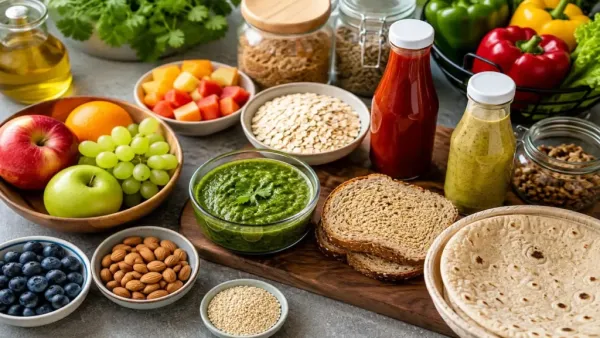
Tomato ketchup, chili sauce, and many other packaged dips available in the market have become a favorite among children and adults alike. However, regular consumption of these ketchups is not good for your health. It’s time to change this habit. According to neurologist Dr. Priyanka Sehrawat, most commercial ketchups contain added sugar, salt, and preservatives, which can negatively impact health, especially gut health, in the long run. In this situation, homemade fresh coriander chutney can be a better alternative to ketchup. It not only enhances the taste, but the green herbs and spices present in it also provide many essential nutrients.
3- Choose whole wheat or multigrain bread instead of refined flour bread
While excessive consumption of any bakery product like bread should be avoided, regular consumption of bread made with refined flour, especially refined flour, is not good for health. Refined flour has a high glycemic index, which can cause blood sugar to spike rapidly. It also contains very little fiber, which can slow digestion and increase constipation. Consuming large amounts of refined flour can increase the risk of excess calories and weight gain. If you still prefer to eat bread in your daily diet, choose whole wheat or multigrain bread instead of refined flour. Multigrain bread can include millets like bajra, sorghum, and ragi, which are rich in fiber and many essential nutrients.
4- Eat whole fruits, not fruit juice
Packaged fruit juices available in the market are not beneficial for health. These packaged juices often contain added sugar, flavors, and preservatives, which, if consumed regularly, can increase the risk of weight gain and type 2 diabetes. If you prefer to drink juice, opting for fresh, seasonal fruits over packaged juices is a better option. Fresh fruits also provide the body with many essential nutrients, such as vitamins, minerals, and antioxidants. Whole fruits are also rich in fiber, which helps prevent rapid spikes in blood sugar, improves digestion, and keeps you full longer.
5- Choose healthy homemade desserts over sweets
Choose healthy homemade desserts over sweets. Some people have frequent sweet cravings. To satisfy this craving, instead of consuming store-bought sweets daily, it’s a better option to prepare homemade desserts with low sugar, brown sugar, or dates. For example, low-sugar kheer made with low-fat milk can be a delicious and better option. However, it’s important to note that there’s not much difference in the calories between jaggery and sugar, so jaggery should be consumed in limited quantities.
6- Use glass or steel bottles instead of plastic
Several studies have shown that using plastic in the kitchen is not good for our health. Even today, most households use plastic bottles for storing and drinking water. It’s time to change this habit. Instead of plastic, use glass or stainless steel bottles. Excessive use of plastic bottles should be avoided, especially in the heat or sunlight. Because repeated use or exposure to heat can release chemicals from some types of plastic and leach into food or water.
7- Choose healthy snacks over biscuits and namkeen.
Packet biscuits and namkeen may taste delicious, but they contain harmful ingredients.
-
Monsoon Foot Care Tips: Are your feet damaged by dirty rainwater? This 10-minute routine will keep your feet healthy and fresh.

-
Monsoon Foot Care Tips: Are your feet damaged by dirty rainwater? This 10-minute routine will keep your feet healthy and fresh.

-
Coffee Myths: 5 coffee-related lies you should forget today

-
What Happens If Someone Accidentally Drinks Acid or Toilet Cleaner? Immediate Steps That Can Save a Life
-
Herbal soap recipe for natural glow