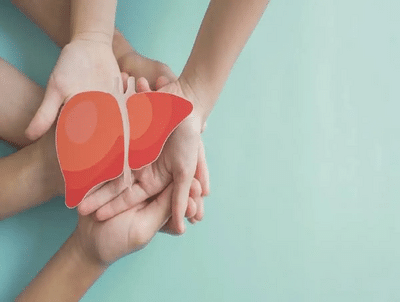
Health Tips: Changing eating habits and increasingly sedentary lifestyles are contributing to a rise in liver-related health concerns among children. Frequent consumption of processed snacks, sugary drinks, fast food, and ultra-processed products, combined with reduced physical activity, may increase the risk of liver problems at an early age. Recognising the warning signs and seeking timely medical advice can help prevent complications and support better long-term health.
Why Liver Problems Are Becoming More Common in ChildrenChildren today have greater access to packaged foods and sugary beverages than ever before. Many of these products contain high amounts of added sugar, unhealthy fats, preservatives, and artificial ingredients.
Over time, an unhealthy diet and lack of exercise can affect the liver's ability to function properly and may contribute to conditions such as non-alcoholic fatty liver disease (NAFLD), which is increasingly being diagnosed in children.
Factors that may increase the risk include:
- Frequent consumption of junk food and ultra-processed snacks
- Excessive intake of sugary drinks, chocolates, and desserts
- Lack of regular physical activity
- Childhood obesity
- Unnecessary or unsupervised use of certain medications
Maintaining healthy eating habits and an active lifestyle plays an important role in protecting liver health.
Early Signs of Liver Problems in ChildrenAccording to paediatricians, parents should pay attention to symptoms that persist or worsen over time.
Possible early warning signs include:
- Yellowing of the eyes or skin (jaundice)
- Persistent nausea or repeated vomiting
- Pain or discomfort in the upper right side of the abdomen
- Loss of appetite
- Ongoing bloating or abdominal discomfort
- Unusual tiredness or weakness
These symptoms do not always indicate liver disease, but they should be evaluated by a healthcare professional, particularly if they continue or are accompanied by other concerning signs.
Symptoms That Require Immediate Medical AttentionSome symptoms may indicate a more serious medical condition and require prompt evaluation.
Seek immediate medical care if a child develops:
- Swelling of the abdomen due to fluid accumulation
- Swelling in the feet or legs
- Leakage of fluid from swollen skin
- Blood in the stool or unexplained bleeding
- Seizures or sudden neurological symptoms
- Generalised swelling throughout the body
These symptoms can have multiple causes, including serious liver disease, and require urgent medical assessment.
Common Causes of Liver Disease in ChildrenSeveral medical conditions can affect the liver during childhood.
Some of the more common causes include:
- Non-alcoholic fatty liver disease (NAFLD)
- Viral hepatitis
- Liver infections
- Congenital or inherited liver disorders
- Obesity and unhealthy lifestyle habits
- Long-term consumption of highly processed foods
Since treatment depends on the underlying cause, an accurate diagnosis by a qualified healthcare provider is essential.
Foods That Support Healthy Liver FunctionA balanced diet can help maintain normal liver function and support overall growth and development.
Parents are encouraged to include:
- Fresh seasonal fruits
- Green leafy vegetables
- Whole grains
- Age-appropriate sources of protein
- Plenty of clean drinking water
- Coconut water in moderation, if appropriate
Nutritious meals combined with regular physical activity can help reduce the risk of lifestyle-related health problems.
Foods Children Should LimitTo support better liver health, it is advisable to reduce the intake of:
- Packaged chips and salty snacks
- Fast food and deep-fried items
- Chocolates and sugary desserts
- Soft drinks and sugar-sweetened beverages
- Highly processed foods containing preservatives
- Excess bakery products and packaged sweets
These foods can contribute to excessive calorie intake, weight gain, and metabolic problems when consumed frequently.
Avoid Giving Medicines Without Medical AdviceDoctors strongly advise against giving children antibiotics, painkillers, or other medicines without consulting a qualified healthcare professional.
Some medications can affect liver function if used unnecessarily, in excessive doses, or without proper supervision. Parents should always follow the dosage and treatment plan recommended by a doctor.
Tips to Keep Your Child's Liver HealthyParents can help protect their child's liver by encouraging healthy daily habits, such as:
- Serving freshly prepared home-cooked meals whenever possible
- Limiting processed and packaged foods
- Encouraging at least 60 minutes of physical activity every day
- Maintaining a healthy body weight
- Ensuring adequate hydration throughout the day
- Scheduling regular health check-ups when recommended
- Consulting a paediatrician if symptoms persist or new concerns develop
These lifestyle measures can contribute to better overall health while supporting healthy liver function.
The Bottom LineLiver health plays an important role in a child's growth, metabolism, and overall well-being. While occasional digestive symptoms are common, persistent signs such as jaundice, abdominal pain, repeated vomiting, or unexplained fatigue should never be ignored.
Parents can reduce the risk of lifestyle-related liver problems by encouraging nutritious eating habits, regular exercise, adequate hydration, and timely medical care. If you notice symptoms that raise concern, consult a qualified paediatrician for a proper diagnosis and appropriate treatment rather than relying on self-medication or home remedies.
-
Egg Boiling Tips: Stop Cracks for Good With This Ice Cube Hack!
-
Asmita Dey’s CWG gold a proud moment for Tripura, says CM Manik Saha

-
PM Modi: India’s youth are the driving force behind its progress

-
Silver Cleaning: Say Goodbye to Black Tarnish With This Easy Trick Instantly!

-
Are Some Heroes Jealous of Kiran Abbavaram’s Success?