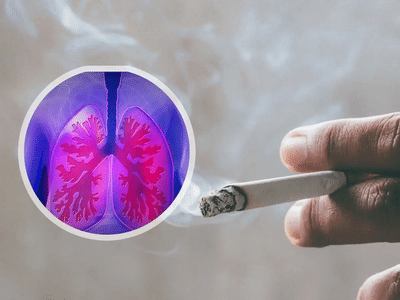
Health Tips: Observed every year on August 1, World Lung Cancer Day aims to raise awareness about one of the world's leading causes of cancer-related deaths. While smoking remains the biggest risk factor for lung cancer, medical experts say that air pollution, second-hand smoke, occupational exposure to harmful substances, and certain genetic factors can also increase the risk. Early detection plays a crucial role in improving treatment outcomes, but lung cancer screening is not recommended for everyone. Here's what you need to know.
Why Is World Lung Cancer Day Important?World Lung Cancer Day is dedicated to increasing awareness about lung cancer, its risk factors, early detection, and available treatment options.
The observance encourages people to:
- Understand the importance of early diagnosis.
- Learn about major risk factors.
- Seek medical advice if they belong to high-risk groups.
- Recognize symptoms that require prompt medical evaluation.
Lung cancer continues to account for a significant proportion of cancer-related deaths worldwide, making awareness and timely diagnosis especially important.
Smoking Is the Biggest Risk Factor—But Not the Only OneCigarette smoking remains the leading cause of lung cancer. However, experts emphasize that several other factors can also contribute to the disease.
These include:
- Long-term exposure to second-hand smoke
- Air pollution
- Occupational exposure to harmful chemicals such as asbestos or radon
- Family history and genetic factors
It is also important to understand that not every smoker develops lung cancer, and some people who have never smoked may also be diagnosed with the disease.
Lung Cancer Screening Is Not Recommended for EveryoneRoutine lung cancer screening is intended only for people who have a high risk of developing the disease.
Medical experts generally do not recommend annual chest X-rays or routine whole-body health check-ups as effective methods for early lung cancer detection in the general population.
Instead, screening decisions should be based on an individual's age, smoking history, overall health, and medical advice.
Who Should Consider Lung Cancer Screening?According to widely accepted medical recommendations, lung cancer screening may be appropriate for people who:
- Are 50 to 80 years old
- Have a smoking history of 20 pack-years or more
- Currently smoke or quit smoking within the past 15 years
- Have no symptoms but belong to a high-risk category
A healthcare professional should always evaluate whether screening is appropriate based on an individual's medical history and overall health.
What Is a Low-Dose CT (LDCT) Scan?The preferred method for lung cancer screening in eligible individuals is a Low-Dose Computed Tomography (LDCT) scan.
An LDCT scan:
- Uses significantly less radiation than a standard CT scan.
- Is more effective than a chest X-ray in detecting early-stage lung cancer.
- Can identify small lung abnormalities before symptoms develop.
For people who meet the recommended screening criteria, doctors may advise an LDCT scan once every year.
Why Early Screening MattersThe primary goal of lung cancer screening is to detect the disease at an early stage, when treatment is more likely to be successful.
Early diagnosis may offer several benefits, including:
- Better treatment outcomes
- Higher survival rates
- Greater possibility of less invasive treatment
- Lower risk of complications associated with advanced disease
However, screening is intended for high-risk individuals without symptoms and should be performed only under medical guidance.
Warning Signs That Should Never Be IgnoredRegardless of screening eligibility, certain symptoms require prompt medical evaluation.
Seek medical advice if you experience:
- A persistent cough that does not improve
- Coughing up blood
- Unexplained weight loss
- Chest pain
- Shortness of breath
- Ongoing fatigue or weakness
These symptoms do not necessarily indicate lung cancer, but they should be assessed by a qualified healthcare professional to determine the underlying cause.
Can Lung Cancer Be Prevented?Although not all cases are preventable, adopting healthy habits can help lower the risk.
Experts recommend:
- Avoiding tobacco use
- Quitting smoking if you currently smoke
- Reducing exposure to second-hand smoke
- Minimising contact with harmful workplace chemicals
- Following workplace safety guidelines
- Maintaining a healthy lifestyle through regular exercise and a balanced diet
For current smokers, quitting smoking remains the single most effective way to reduce the risk of lung cancer and several other serious diseases.
The Bottom LineLung cancer remains a major public health concern, but early detection can significantly improve treatment outcomes for people at high risk. Low-Dose CT (LDCT) screening is recommended only for eligible individuals based on age and smoking history, and it should always be undertaken after consulting a healthcare professional.
If you have a significant smoking history or other risk factors, discuss screening options with your doctor. Likewise, persistent symptoms such as an ongoing cough, coughing up blood, unexplained weight loss, or breathing difficulties should never be ignored and require timely medical evaluation. Awareness, early diagnosis, and appropriate medical care remain key to improving outcomes in lung cancer.
-
Bhupender Yadav attends convocation for 111 IFS officer trainees

-
Bengaluru Woman Defends ‘Lazy’ Days Off: ‘You Need Them When Mentally Exhausted’

-
Karnataka: 1.43 Lakh Cusecs Flow Into the Bhima River, Vijayapura on High Alert

-
PM Modi hails Andhra Pradesh as growth engine for ‘Viksit Bharat’

-
Gauahar Khan to Arsalan Goni for abusing Zaid Darbar behind his back: ‘Guts hai toh samne gaali do’