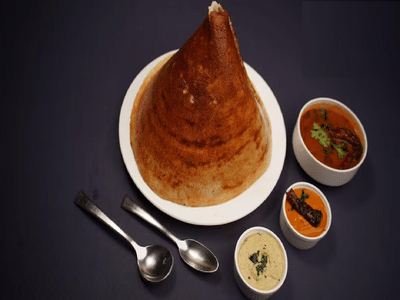
Kitchen Tips: Love making dosa at home but don't own a traditional dosa tawa? There's no need to skip your favorite South Indian breakfast. With the right technique, you can prepare a crispy, golden dosa using an ordinary frying pan or a regular iron tawa available in most kitchens.
The secret lies in preparing the pan correctly, controlling the temperature, and following a few simple cooking tips that help prevent the batter from sticking.
Can You Make Dosa Without a Dosa Tawa?Absolutely. While a dedicated dosa tawa is designed for spreading batter evenly, a standard non-stick pan or seasoned iron tawa can also deliver excellent results.
Many home cooks avoid making dosa because they worry it will stick or break apart. However, proper pan preparation can make all the difference.
How to Prepare a Regular PanIf you're using a regular frying pan, don't pour the batter onto a cold or overheated surface.
Follow these steps:
This creates a smooth cooking surface that helps the dosa release easily after cooking.
Trick for Using a Regular Iron TawaIf you're using the same iron tawa that is used daily for making rotis, there's a simple kitchen hack that can improve the results.
- Cut an onion into two halves.
- Apply a few drops of oil to the tawa.
- Rub the cut side of the onion across the entire cooking surface.
The combination of onion juice and oil creates a natural coating that reduces sticking and allows the dosa to cook more evenly. This traditional method has been used in many Indian kitchens for years.
Temperature Control Is the KeyOne of the most common reasons dosa sticks to the pan is excessive heat.
If the pan becomes too hot, the batter begins to cook immediately after touching the surface, making it difficult to spread into a thin, even layer.
For better results:
- Keep the flame on low while spreading the batter.
- Before making each new dosa, sprinkle a few drops of water onto the hot pan.
- Wipe the surface dry with a clean cloth before adding fresh batter.
This helps bring the pan back to the ideal cooking temperature.
Increase the Heat After Spreading the BatterOnce the batter has been spread into a thin circle, you can increase the flame to medium or high.
Higher heat helps the dosa become:
- Crispy
- Evenly cooked
- Golden brown
- Easy to lift from the pan
Avoid turning the heat up before spreading the batter, as this can cause uneven cooking.
Add Oil, Ghee or Butter at the Right TimeWait until the top surface of the dosa begins to dry and the color starts changing.
At that stage:
- Drizzle a little oil, ghee, or butter around the edges and over the surface.
- Continue cooking until the edges naturally lift away from the pan.
This helps create the signature crisp texture while making the dosa easier to remove without breaking.
Tips for Perfect Homemade Dosa- Preheat the pan on low heat before use.
- Apply only a thin layer of oil.
- Wipe away excess oil before pouring the batter.
- Keep the pan at the right temperature.
- Sprinkle water between each dosa to cool the surface.
- Increase the heat only after spreading the batter.
- Cook until the edges release naturally before removing.
A traditional dosa tawa can be helpful, but it isn't essential. By preparing your pan properly and managing the cooking temperature carefully, you can make crisp, delicious, restaurant-style dosas using everyday cookware already available in your kitchen.
With these simple techniques, homemade dosa becomes easy, convenient, and just as satisfying—even without specialized equipment.
-
Taurus Tarot Horoscope Today, August 8, 2026: Will perform better, will achieve goals

-
Sagittarius Horoscope Today, August 8, 2026: Will Bring Momentum in Professional Matters, Maintain Respect for Everyone

-
Leo Horoscope Today, August 8, 2026: Wealth and Prosperity Will Improve, Expected Achievements Will Continue

-
Pooran's 58* Fires MI London to Seven-Wicket Win Over Sunrisers at The Oval

-
Virgo Horoscope Today, August 8, 2026: Will Receive Pleasant Results, Will Get Support from Peers