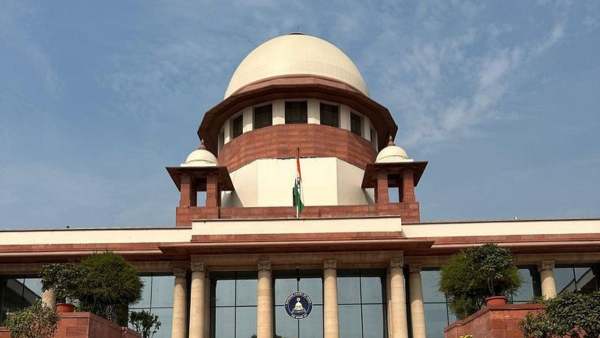
The Supreme Court clarified that Delhi and other states can close or withdraw FIRs against student protesters according to law, but protection will not apply to those involved in grave and heinous offences. The Court narrowed the meaning of “criminal antecedents” and directed authorities to distinguish serious crimes from minor cases while dealing with protest-related FIRs.
The Supreme Court on Aug 3 clarified that Delhi and other States are free to close or withdraw first information reports (FIRs), in accordance with law, against students involved in the recent protests, while excluding those with grave and heinous criminal antecedents from the protection.
A Bench comprising Chief Justice of India Surya Kant and Justices Joymalya Bagchi and V Mohana clarified its July 28 order after petitioners argued that the earlier direction could create hurdles in withdrawing cases against students. The Court said the expression “criminal antecedents” used in that order should be read as referring to “grave and heinous offences”, rather than petty offences or minor violations, Live Law and Bar & Bench report.
Relief For Students Facing Petty Cases
“It is clarified for July 28 order that NCT of Delhi and any other State shall be at liberty to close/withdraw FIRs against protesters. The word criminal antecedents is to be read as grave and heinous offences,” the Court said.
-
Punjab govt says its employees get salaries up to 70 pc higher than central govt counterparts

-
Odisha govt asks 5 low-ranking districts to take steps for improving sex ratio at birth

-
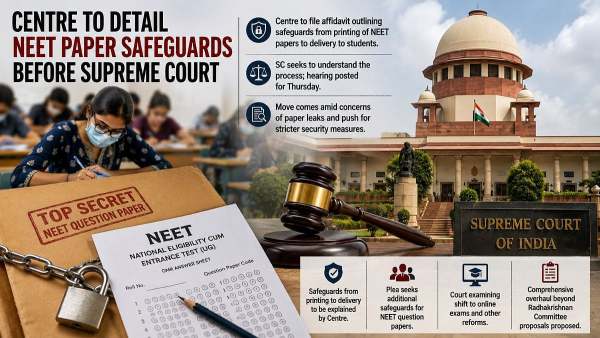
Centre To File Affidavit On NEET Question Paper Safeguards Before Supreme Court Amid Leak Concerns
-
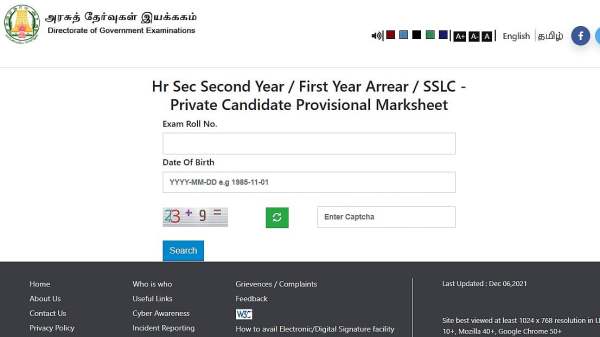
Tamil Nadu SSLC Supplementary Result 2026 OUT At tnresults.nic.in; Direct Link Here
-
DU CSAS UG Admission 2026: Mid-Entry Applications Window Opens At admission.uod.ac.in; Check Details Here