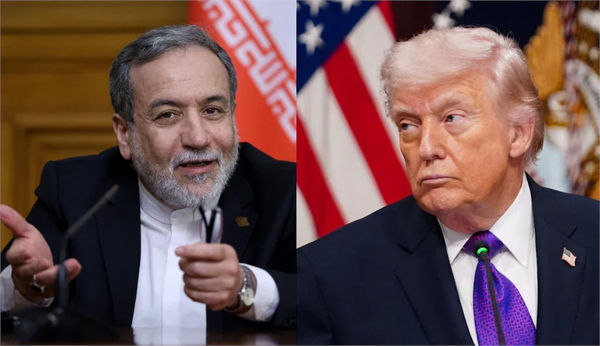
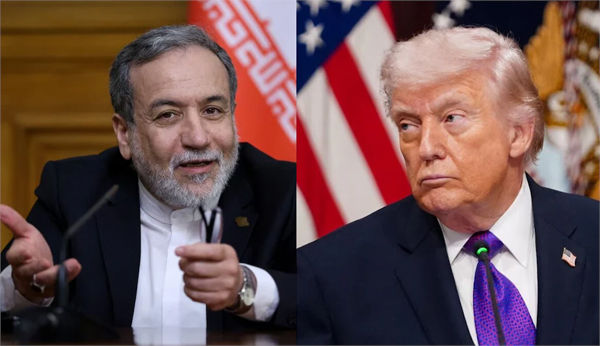
Washington/Tehran. US President Donald Trump’s recent statements regarding Iran and his shift in military strategy have created a new stir in West Asian politics. Trump claimed that the US was prepared to launch a large-scale military attack on Iran, but at the request of Saudi Arabia, the United Arab Emirates (UAE), Qatar, and other regional allies, military action was postponed for the time being. This has sparked a new debate about the security concerns of Gulf countries and US strategy.
Trump said – could have attacked, but gave diplomacy a chance
Donald Trump said the US was prepared for widespread military action, but allies advised a negotiated path given the potential regional consequences. He said if a diplomatic settlement was possible, it should be given that opportunity.
Trump said the main objective of the talks was to resolve issues to Iran’s nuclear program and the Strait of Hormuz. He also reiterated that the US was capable of using military options if necessary.
Warning again about Iran
The US President claimed that Iran also wants to avoid conflict and seek a negotiated solution. However, he added that Tehran’s statements often contradict each other, so the US is closely monitoring the situation.
Gulf countries expressed concern about security
Amid the regional situation, Gulf countries’ biggest concern is said to be potential Iranian retaliation. According to various media reports, Gulf countries have demanded additional air defense systems, interceptor missiles, and clear security assurances from the US to ensure their safety in the event of any potential attack.
Analysts believe that the long-standing tensions have made Gulf countries more vulnerable to the possibility of direct conflict.
Gulf countries also differ on Iran policy
While all Gulf countries share concerns about Iran, there is disagreement on how to deal with it. Reports indicate that the United Arab Emirates favors a relatively hardline stance, while Saudi Arabia prioritizes a diplomatic solution and regional stability.
For this reason, regional allies are expecting a clear long-term strategy from the US. Israel is also closely monitoring US policy.
Israel is also closely monitoring the US’s shifting stance. Reports indicate that the Israeli security apparatus is currently assessing that Washington prefers dialogue over full-scale military confrontation. Some analysts believe that a reduction in pressure against Iran could impact regional security dynamics.
Domestic politics is also becoming a challenge
Analysts say Trump is considering not only the situation in West Asia but also domestic political dynamics. The economic and political costs of a prolonged military operation could become a major issue within the United States. Furthermore, the use of defense resources and the upcoming election environment are also considered key factors influencing the Trump administration’s decisions.
In such a situation, at present America seems to be moving forward with both the options – military pressure and diplomatic talks – while the countries of West Asia are keeping an eye on Washington’s next strategy in the coming days.
-
BCCI Gets Tough On Team India; New Fitness Rule Introduced
-
Suryakumar Yadav Set To Leave MI; Hardik Pandya's Next Franchise In Focus: Report

-
WATCH: MI Star Turns 'Superman' With Jaw-Dropping Boundary Catch!

-
Sri Lanka Suffers Double Injury Blow As Pathum Nissanka, Kusal Mendis Ruled Out

-
Why Are Students Losing Interest In School? 1 In 3 In Classes 7–9 Show Disengagement Signs