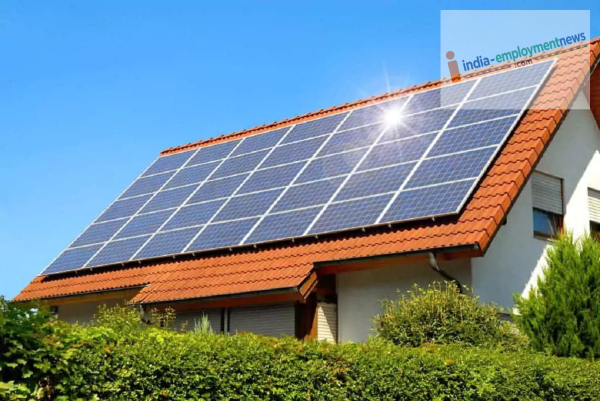
Solar Panel Energy Output: Solar panels generate the most electricity during "peak sun hours." Incorrect orientation or tilt can negatively impact their efficiency.
Solar Panel Energy Output: Solar panels require sunlight to generate electricity. However, this does not mean they provide a constant energy output from sunrise to sunset. Energy output is lower in the mornings and evenings, whereas production increases during the afternoon when the panels receive direct sunlight.
The amount of direct sunlight and the number of hours of exposure a solar panel receives depend on your geographical location. Factors such as the panel's angle, tilt, and the weather also play a role. This is why a solar energy system installed in Rajasthan will generate more energy than an identical system installed in Kerala. To achieve maximum energy generation, it is crucial for the panels to be exposed to direct sunlight for as many hours as possible.
When discussing sunlight, most people assume it refers to the entire duration from sunrise to sunset. However, this is not the case for solar panels; they require intense, strong sunlight for maximum input. "Peak sun hours" refers to the specific hour when sunlight is strongest and its intensity reaches 1,000 watts per square meter. Solar panels generate the most electricity during this time.
Peak sun hours determine how much electricity the solar system on your roof will generate. Before installation, you can use peak sun hour data to estimate the system's electricity output, determine the required panel size, and calculate the timeframe for recovering your investment.
The number of peak sun hours varies across different parts of the world. In India, Rajasthan experiences 6–7 hours of peak sun hours, whereas the United Kingdom sees only 2–3 hours. Due to abundant sunshine, California (USA) has 5–6 peak hours, while Germany has only about 3 hours. Fewer peak hours mean lower energy output from the panels, requiring a larger system to meet your energy needs.
Peak sun hours depend on your proximity to the equator. India, along with many countries in Africa, Southeast Asia, and South America, lies close to the equator, resulting in intense, scorching sunlight. Conversely, countries in Canada, Northern Europe, and Northern Asia are further from the equator, leading to less sunlight.
Panel orientation affects energy output. In the Northern Hemisphere, panels should face south, while in the Southern Hemisphere, they should face north. Additionally, the panel's tilt angle should be adjusted based on latitude; for instance, the tilt should be 23 degrees in Ahmedabad but around 40 degrees in New York.
Failing to consider orientation and tilt can have several downsides. An improper tilt can reduce energy output by 10–25 percent and increase the risk of shading. Incorrect orientation and tilt prevent panels from achieving maximum efficiency during peak sun hours.
-
Found Substandard Food at a Metro Station Food Court? Here’s How to Complain and Get a Full Refund
-
Installing solar panels is now cheaper; direct subsidy announced in Delhi.

-
When will people receive their income tax refund? The Income Tax Department explains.

-
Violate lane rules on this expressway and face a hefty e-challan
-
UGC to provide a scholarship of ₹1.5 lakh annually for two years to PG students; find out who is eligible to apply..