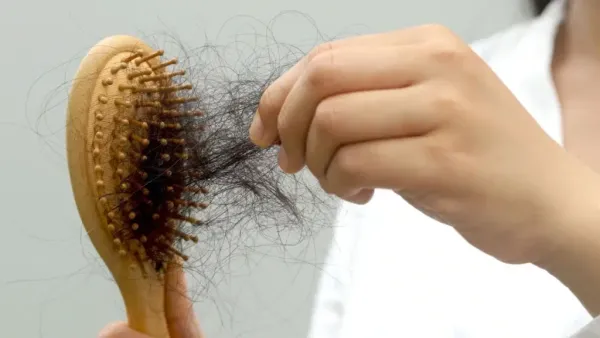
Hair loss is a common concern, but one often-overlooked cause is protein deficiency. Since hair is primarily made of a protein called keratin, your body needs an adequate protein intake to support healthy hair growth. When protein levels are too low, the body prioritizes essential functions over hair production, which can lead to excessive shedding and weaker strands.
Here are five signs that may indicate your body isn’t getting enough protein, along with simple ways to increase your intake.
1. Excessive Hair Fall
If you’re noticing more hair than usual on your pillow, in the shower, or on your hairbrush, inadequate protein intake could be one of the reasons. Hair may also become thinner and grow more slowly.
2. Weak or Brittle Nails
Protein is essential for strong nails. Nails that chip, split, or break easily may be a sign that your body needs more protein.
3. Muscle Weakness
Protein helps build and repair muscles. Feeling unusually weak, losing muscle mass, or taking longer to recover after exercise may indicate a deficiency.
4. Constant Hunger
Protein helps keep you full for longer. If you feel hungry soon after eating or crave snacks throughout the day, your meals may not contain enough protein.
5. Slow Healing and Frequent Illness
Protein supports tissue repair and a healthy immune system. Cuts that heal slowly or frequent infections may be linked to insufficient protein intake.
Simple Home Remedies to Boost Protein Intake
- Eat protein-rich foods: Include eggs, milk, yogurt, cottage cheese (paneer), lentils, beans, chickpeas, soy products, fish, and lean chicken in your meals.
- Add nuts and seeds: Almonds, peanuts, walnuts, pumpkin seeds, and sunflower seeds provide protein along with healthy fats.
- Choose balanced meals: Combine whole grains with legumes, such as rice with lentils or whole-wheat roti with chickpea curry, to improve protein quality.
- Include Greek yogurt or cottage cheese: These make excellent high-protein snacks or breakfast options.
- Stay hydrated and eat a nutrient-rich diet: Vitamins and minerals such as iron, zinc, vitamin D, and biotin also contribute to healthy hair growth.
When to See a Doctor
Hair loss can have many causes, including hormonal changes, genetics, stress, thyroid disorders, and nutritional deficiencies. If your hair loss is severe, persists for several months, or is accompanied by other symptoms, consult a healthcare professional. They may recommend blood tests to identify any underlying nutritional deficiencies or medical conditions.
Bottom Line
Protein plays a vital role in maintaining healthy hair, strong muscles, and overall well-being. If you’re experiencing hair loss along with other signs such as brittle nails, muscle weakness, or constant hunger, it may be worth evaluating your protein intake. Eating a balanced, protein-rich diet can support healthier hair and improve your overall health.
-
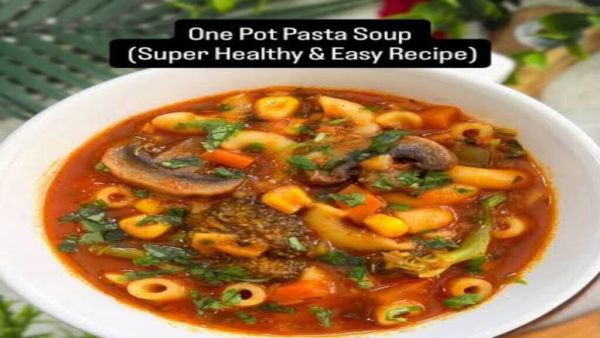
Try restaurant-style ‘one-pot pasta soup’ this rainy season; it’ll be ready in minutes…
-
3 Zodiac Signs Receive An Important Message From The Universe On August 7, 2026
-
World’s second best airport grapples with long immigration queues amid summer tourism boom

-
Redmi Note 17 5G India Launch : लॉन्च होगा रेडमी का नया 5G फोन, जानें संभावित कीमत और सेल की तारीख

-
JBL makes a splash! New earbuds include a touchscreen charging case