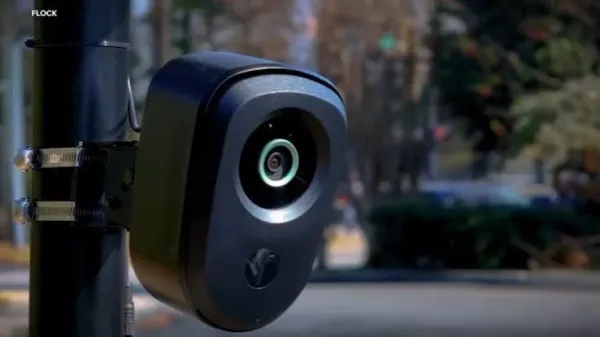
A former employee of surveillance technology company Flock Safety has publicly resigned, alleging that the company attempted to suppress opposition to its surveillance products during discussions with local governments. The resignation has sparked fresh debate over the ethics of public safety technology, corporate influence on local policymaking, and the growing role of automated surveillance in communities across the United States.
The controversy began after the employee shared a resignation statement accusing the company of discouraging public resistance to its products rather than engaging openly with critics. Among the most widely discussed claims was an alleged internal directive that read, “Make sure that this resistance doesn’t become a vote reflected in the vote of the council.” The statement has drawn significant attention because it appears to suggest an effort to prevent community concerns from influencing decisions made by elected officials.
Flock Safety has become one of the fastest-growing companies in the public safety technology industry. Its primary product consists of automated license plate recognition (ALPR) cameras that capture images of passing vehicles and use optical character recognition to identify license plate numbers. These systems are marketed to law enforcement agencies, neighborhoods, businesses, and municipalities as tools to help investigate crimes, recover stolen vehicles, and locate suspects.
Supporters of the technology argue that it has transformed modern policing by providing investigators with valuable leads that would otherwise be difficult to obtain. Law enforcement agencies across the country have credited the camera systems with assisting in solving violent crimes, tracking stolen cars, locating missing persons, and identifying suspects in criminal investigations.
However, as the company has expanded its presence, it has also faced increasing criticism from privacy advocates, civil liberties organizations, and some local residents. Opponents argue that widespread deployment of surveillance cameras raises important questions about privacy, data collection, and government oversight. Although the systems are designed to capture information about vehicles rather than individuals, critics contend that the data can still reveal sensitive details about people’s daily routines, travel habits, workplaces, and participation in public events.
Many municipalities require city council approval before purchasing surveillance technology or entering into contracts with companies like Flock Safety. These council meetings often include opportunities for public comment, allowing residents to voice concerns or support for proposed surveillance programs. The former employee’s allegations have therefore raised questions about how companies interact with local officials and community members during these approval processes.
According to the resignation statement, the employee became increasingly uncomfortable with what they described as efforts to minimize or counter public opposition. Rather than encouraging transparent discussions about the benefits and limitations of surveillance technology, the employee alleged that internal conversations focused on ensuring that resistance from community members did not influence council votes.
The alleged comment regarding preventing resistance from becoming “a vote reflected in the vote of the council” has become the focal point of the controversy. Critics argue that the statement reflects an approach that prioritizes securing contracts over addressing legitimate concerns raised by residents. Supporters of the company, however, may interpret such language as part of a broader strategy to advocate for products they believe improve public safety.
The resignation also highlights a growing trend within the technology industry, where employees have increasingly spoken out against corporate decisions they believe conflict with their personal values. In recent years, workers at major technology companies have publicly criticized projects involving artificial intelligence, surveillance tools, military contracts, and data privacy. These incidents have demonstrated that internal disagreements over ethics can quickly become matters of public debate.
Privacy experts argue that automated surveillance technologies deserve careful scrutiny because they involve large-scale collection and storage of data generated by everyday activities. Even when information is collected for legitimate public safety purposes, questions remain about who can access the data, how long it is retained, whether it is shared with other agencies, and what safeguards exist to prevent misuse.
Civil liberties advocates have long called for stricter oversight of surveillance systems, including independent audits, transparent reporting requirements, clear policies governing data retention, and public disclosure of how the technology is used. Some local governments have introduced ordinances requiring additional public hearings or limiting the circumstances under which surveillance data may be accessed.

Supporters of surveillance technology argue that these systems have repeatedly demonstrated their value in criminal investigations. They point to numerous cases in which camera networks have helped investigators identify vehicles connected to serious crimes or recover stolen property more quickly than traditional investigative methods. From their perspective, modern policing increasingly depends on technological tools capable of providing timely and accurate information.
The latest allegations do not directly challenge the effectiveness of the technology itself. Instead, they focus on the company’s internal culture and its approach to public engagement. If the claims are substantiated, they could intensify discussions about how technology companies should conduct themselves when seeking approval from democratically elected bodies.
For local governments, the controversy serves as a reminder that procurement decisions involving surveillance technology extend beyond questions of cost and technical capability. They also involve public trust, transparency, and accountability. Residents often expect elected officials to carefully evaluate not only the potential benefits of new technologies but also their broader social and ethical implications.
As surveillance tools become increasingly integrated into public safety strategies, debates surrounding their use are likely to become even more prominent. Communities across the country continue to grapple with balancing crime prevention against privacy rights, while technology companies face growing expectations to demonstrate openness and ethical responsibility.
The resignation of the former Flock Safety employee has added another layer to that ongoing conversation. Regardless of the outcome, the incident underscores the importance of transparency, public participation, and ethical decision-making in the deployment of technologies that have the potential to affect millions of people.
-
How much Mohamed Salah will really earn at Trabzonspor after historic move

-
Why I have completely changed my view on Roberto De Zerbi — and why Tottenham Hotspur can mount a Premier League title challenge under him

-
David Raya called the ‘most unfortunate goalkeeper in the world’ but rated the Premier League’s ‘best’ by an Arsenal Invincibles member

-
Much-Deserved Success Arrives For 3 Zodiac Signs On August 7, 2026

-
Much-Deserved Success Arrives For 3 Zodiac Signs On August 7, 2026