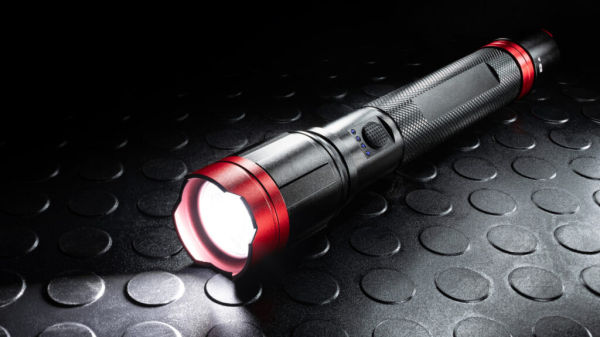
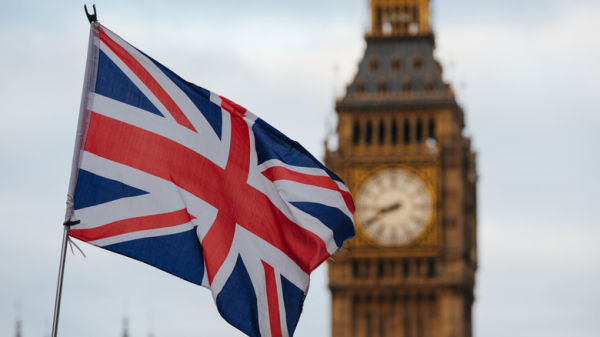
One of the most delightful cultural wrinkles dividing the UK and its former colony across the pond is the use of different words for common items and concepts. It’s true for trunks (boots), windshields (windscreens), and gas (petrol). Perhaps most charmingly, flashlights are called torches in Britain and Ireland.
In England, a flashlight is called a torch because the word already meant a handheld source of light long before electricity. British English kept the older term when battery-powered lights arrived, so “electric torch” became the natural label, and “electric” eventually got dropped in everyday speech. The American term “flashlight” came later, and it stuck in the U.S. even as British usage stayed rooted in the older word for a portable light source.
The history behind the word helps explain why the term feels so different on each side of the Atlantic. “Torch” traces back through Old French torche and ultimately to Latin roots tied to twisted or bundled material, reflecting the original idea of a stick wrapped with combustible material and carried to provide light. Over time, the UK preserved that portable-light meaning even as the technology changed from flame to battery to LED.
A point is that this isn’t really a mistake or a quirk so much as a language habit that survived technological change. Once a word becomes common in everyday speech, speakers often keep it even when the object it describes evolves. That’s why “torch” still sounds perfectly normal in Britain, even though the modern device has no flame at all.
A term that survived centuries
What makes this language split so interesting is that the object changed, but the job stayed the same. A medieval torch and a modern flashlight both exist to illuminate dark spaces while being carried by hand, so British English simply kept using the familiar word instead of inventing a new one. In that sense, “torch” in the UK is a case of linguistic continuity: the form evolved, but the function stayed recognizable.
That also explains why the word can be confusing for Americans, who usually reserve “torch” for a flame-based stick or ceremonial fire. In British English, context does the work: if someone says, “I’ve left my torch in the car,” they mean a flashlight, not a burning stick. It’s a small vocabulary difference, but it neatly shows how two varieties of English can preserve different parts of the same history.
It’s also a reminder that everyday language often keeps older meanings alive long after the original technology disappears. So while Americans went with a newer, more descriptive word, British English kept the older one and let it adapt. That makes “torch” an interesting example of how language can carry history forward in a very practical way.