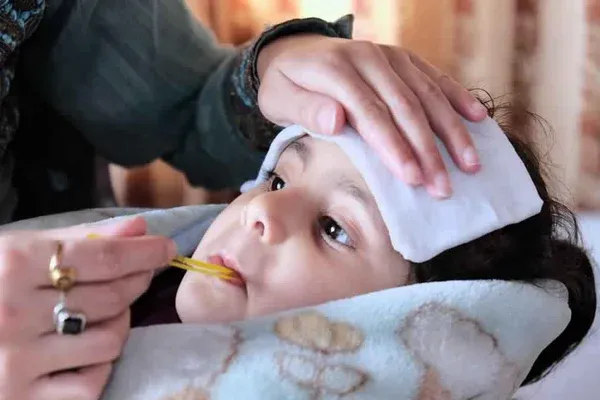
The monsoon season brings relief from the scorching heat, but it also brings with it a variety of infections and diseases. Mosquitoes, bacteria, and viruses thrive during the rainy season due to waterlogging and humidity. This is why the risk of diseases like dengue, malaria, typhoid, and chikungunya increases manifold during this season. People often assume fever is a common viral infection and start taking self-medication. However, if a fever persists for three days or more during the monsoon season, it could be a sign of a serious infection. Therefore, it is important to get tested if the fever persists for a long time. Failure to get a proper diagnosis in time can worsen the condition. Which tests should be done if you have a fever for three consecutive days?
According to the doctor, a fever lasting more than three days could be a sign of a common viral infection, but it’s not advisable to take it lightly. Especially if the fever is accompanied by symptoms like severe headache, body aches, pain behind the eyes, vomiting, diarrhea, or extreme weakness, a doctor should be consulted immediately. In such cases, the doctor may recommend testing for other diseases, including leptospirosis, based on the patient’s symptoms, medical history, and the surrounding infection risk.
What is a Leptospirosis Test?
Leptospirosis is a bacterial infection that spreads through contact with water or soil contaminated with the urine of infected animals, especially rats. The risk increases during the monsoon season due to waterlogging and walking in dirty water. Municipal workers, farmers, sanitation workers, and people living in flood-affected areas are most at risk. The initial symptoms of this disease can often mimic those of a viral fever, dengue, or malaria. These include high fever, chills, muscle pain, headache, redness of the eyes, and fatigue. In severe cases, the infection can also affect the kidneys, liver, and lungs, causing jaundice, difficulty breathing, or organ failure.
When to get tested:
If the patient has had to walk in dirty or stagnant water in the past few days, lived in a flooded area, or had contact with infected animals, the doctor may recommend testing for leptospirosis. Blood tests are done to diagnose the infection. The doctor may also order tests for other diseases like dengue, malaria, and typhoid to determine the exact cause. Starting antibiotics on time is crucial for treatment. Therefore, avoid self-medication without consulting a doctor or simply taking fever pills and waiting. Drink plenty of water, rest, and complete the full course of medication prescribed by the doctor.
-
New Law for Delhi Private Universities: 25% Seats Reserved for Students
-
LPG: Get your gas cylinder in 3-4 hours; IndianOil launches new service
-
Big News for Central Government Employees: Marathon Meetings Begin in Delhi; 5 Key Issues Raised

-
Government gets tough on AI content on Facebook and Instagram; seeks report from Meta.

-
‘Complete Solidarity’: CJP Joins Jharkhand Students' Protest