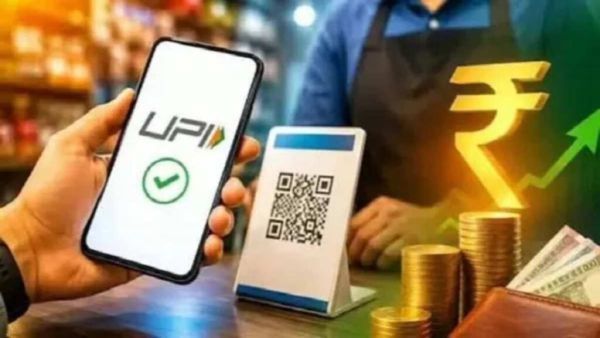
New Delhi. The Government of India has clarified that no transaction fee will be levied on consumers making payments through the Unified Payments Interface (UPI). All person-to-person (P2P) transactions will remain free as before. The government has also clarified that if Merchant Discount Rate (MDR) is implemented in the future, it will be applicable only on a limited category of merchant transactions above a specified threshold and the rate will be nominal. This rate will be significantly lower than the MDR applicable on debit or credit cards. Most merchant transactions on UPI will also remain fee-free.
According to the government, after the Taxation and Other Laws (Amendment) Bill, 2026 is passed by Parliament, decisions to MDR, if any, under the proposed amendment to Section 10A of the Payment and Settlement Systems Act, 2007, will be taken by the ‘UPI and Services Steering Committee’ headed by NPCI.
There has been some perception at some levels that the recent amendment to the Payment and Settlement Systems Act (PSS Act) will impose fees on ordinary UPI users. The government has dismissed this as false, stating that the amendment aims to strengthen UPI’s long-term stability, technological advancements, and ability to address emerging risks. The rapid growth in UPI transaction volumes necessitates substantial investment in cybersecurity, fraud prevention, and continuous upgrading of digital payments infrastructure.
The government stated that a self-sustainable revenue model is essential to foster competition in the digital payments space and encourage more companies to expand their operations. Relying solely on subsidies is not viable in the long term for the next phase of UPI’s growth. Therefore, a balanced framework is essential to ensure UPI remains robust, inclusive, affordable, and adaptable to future needs.
Some media reports have also suggested that external influences may have been behind the policy changes. The government has dismissed this claim as completely baseless, false, and misleading. The government states that if external pressures were a factor, UPI would not have been launched in 2016 and made fee-free for both merchants and citizens since January 2020. The government has consistently made efforts to develop UPI into the world’s largest real-time interoperable payment system.
The government said that the amendment to the PSS Act should be seen in the context of the broader objective of making India’s digital payments infrastructure sustainable, competitive, innovation-enabled, and capable of meeting the needs of the country’s rapidly growing digital economy. The government reiterated that UPI is India’s own innovation and is committed to ensuring its sustainability for decades to come, while keeping it free for citizens.
India is now at the cusp of the next wave of digital payments growth. To further expand UPI in rural and semi-urban areas and maintain its global competitiveness, the UPI ecosystem must be self-sustainable and cost-effective. According to the government, the amendment to the PSS Act is a visionary step in this direction, enabling UPI to continue to grow as a secure, cost-effective, inclusive, and globally recognized payment system.
Since its launch in 2016-17, UPI has transformed India’s digital economy into one of the most inclusive and dynamic payment ecosystems in the world. This initiative towards real-time and interoperable payments has now become a global standard. UPI now processes billions of transactions every month and has become a vital part of daily life in the country. In July 2026 alone, 2,366 crore transactions were processed through UPI, with a total value of ₹29.9 lakh crore. UPI is now available in 11 foreign countries, and several others have shown interest.
The government stated that UPI is a national achievement developed by Indians, for Indians. The government has promoted, funded, and developed it over the past decade and is committed to further expanding and strengthening it. Citizens are urged to trust only official information issued by the Ministry of Finance, the Reserve Bank of India (RBI), and the NPCI and not to disseminate unverified messages.
-
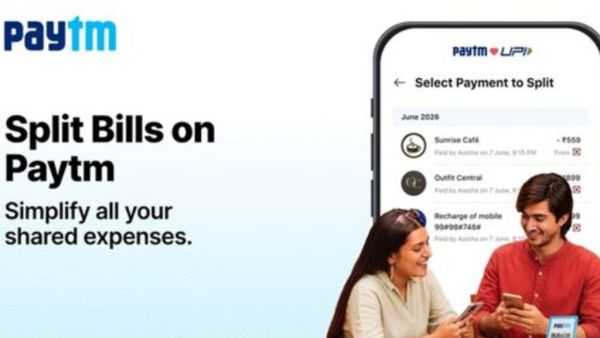
Splitting the trip bill with friends just got easier! Paytm Introduces 'Split Bills' Feature, Know How It Works
-
5 Car Brands With Plans To Bring Back The Mid-Gate Pickup

-
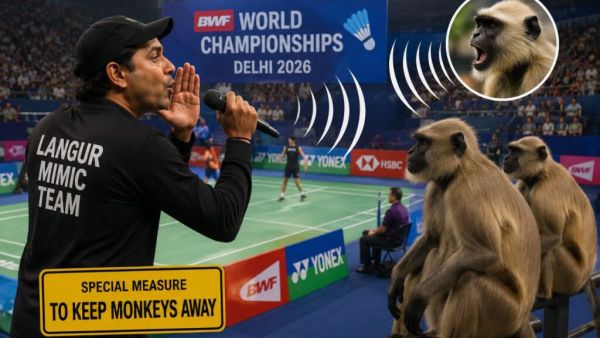
Badminton World Championship: Monkeys are hired for the Badminton Championship!
-
'Give freedom to attack…', former Indian cricketer advocated Rishabh Pant, said – 'It is okay to be out while attacking'
-
10 years of love blossomed: Cristiano Ronaldo and Georgina Rodriguez got married, 5 children celebrated with great enthusiasm