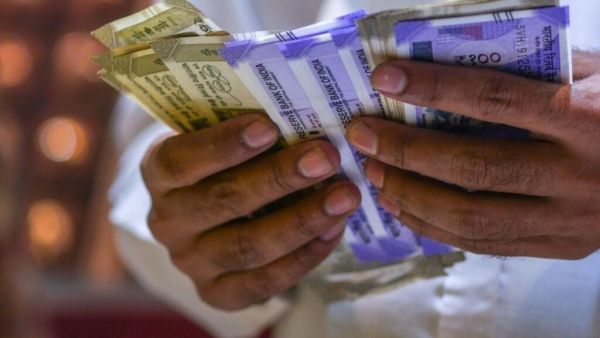
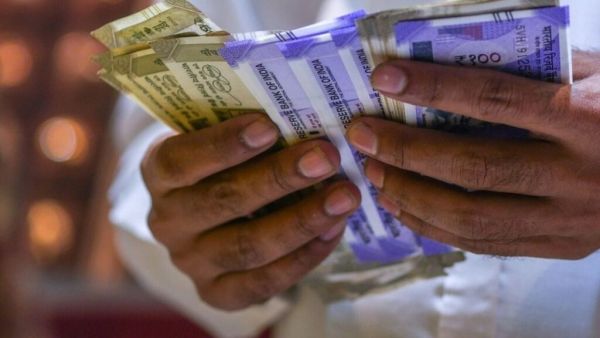
Saving money is a good habit, but it is equally important to have the right knowledge of where and how to keep that money. Many people keep their hard-earned money in a bank savings account, thinking that it will be safe. However, according to financial experts, keeping more money in a savings account than necessary is like causing financial loss to themselves. The 50/30/20 formula is proving to be very useful for managing money properly in today’s inflationary times.
How much should you have in a savings account?
The primary purpose of a bank savings account is to facilitate daily transactions. Therefore, having cash in this account for only 1 to 2 months of your household expenses is considered sufficient. Apart from this, you can keep an ’emergency fund’ of 6 months’ worth of expenses aside to use in case of sudden medical problems or job crisis, a part of which can be kept in a savings account or an easily withdrawable liquid fund. Apart from this, if the extra money is kept in a savings account, the interest rate earned on it is lower than the inflation rate, due to which the value of money gradually decreases. Financial Planning
What is the 50/30/20 Golden Rule?
This rule is used all over the world to balance your monthly income. This formula divides your total income into three important parts. Financial Planning
Financial Planning
50% portion (essentials): Half of your income should be spent on things you cannot live without. This includes house rent, home loan or other EMIs, monthly groceries, electricity and water bills, children’s school and insurance premiums.
30% portion (personal desires): This portion is to your lifestyle. Entertainment is also needed for happiness. So, things like hotel stays, buying new clothes, watching movies, planning trips or buying favorite gadgets should be included in this 30 percent.
20% portion (future and investment): This is the foundation of your financial freedom. As soon as you get your salary, you should first set aside this 20 percent and invest it in PPF, mutual funds, stock market or fixed deposits. This money creates wealth for your retirement and big future goals. Financial Planning
Disadvantages of keeping too much money in a savings account
If you are keeping lakhs of rupees in a savings account when you don’t need it, then you are missing out on good investment opportunities. The interest earned on a savings account is usually between 2.5% to 4%, while the inflation rate in the country is around 5% to 6%. This means that instead of increasing in value, the value of the money in the account is decreasing day by day. If you invest the same money in the right place, you get the big benefit of compound interest in the long run. Financial Planning
To achieve financial stability, it is not enough to just save money, but it is necessary to make money work for you. Keep only a limited amount in the savings account for urgent expenses and start investing the remaining money in a disciplined manner by classifying it according to the rule of 50/30/20, this is the real mantra of financial prosperity. Financial Planning
-
'Captains Expected To Set Standards': Ex-Wife Calls For Ashleigh Gardner's Sacking After Affair With Younger Teammate

-
Govinda Reveals He Was 'Kind Of' Suicidal After Mother Nirmala Devi's Death: 'I Was In Tremendous Pain, Felt Everything Was Over'

-
Man booked for stalking flight attendant at Hyderabad Airport

-
Man caught with 4.2 kg ganja chocolates in Rangareddy district

-
Mamata attacked during visit to deceased TMC worker’s house