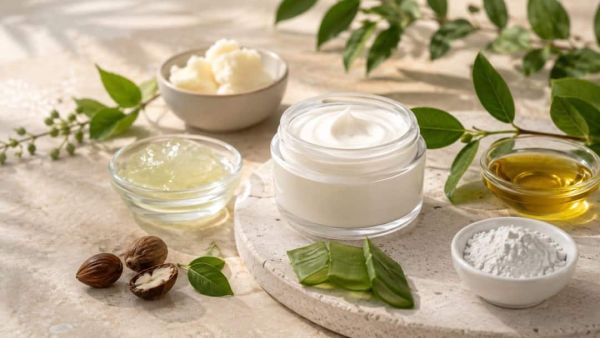
Sun protection is an important part of any skincare routine, particularly when spending time outdoors. Sunscreen helps shield the skin from ultraviolet (UV) radiation, which can contribute to tanning, irritation, and premature skin ageing. People with oily or acne-prone skin may prefer lighter formulations that do not leave a greasy finish. A DIY mineral-based mixture can give users greater control over the ingredients, but it is important to note that homemade sunscreen cannot provide a reliably measured SPF unless the finished product has been properly tested. It should therefore not be considered a replacement for a tested, broad-spectrum sunscreen, especially during prolonged sun exposure or outdoor activities.
Zinc Oxide
Non-nano zinc oxide is widely used in mineral sunscreens because it helps protect the skin from UVA and UVB radiation. However, simply adding zinc oxide to a homemade mixture does not guarantee a specific SPF or even coverage.
Aloe Vera
Aloe vera gel can give the mixture a lighter consistency while providing hydration. It is also commonly used in skincare products designed to soothe skin that feels dry or irritated.
Green Tea Extract
Green tea contains antioxidant compounds that are studied for their potential role in protecting skin from oxidative stress caused by environmental exposure. It can be included as a supportive skincare ingredient.
Jojoba Oil
Jojoba oil adds moisture without the heavier feel associated with some other oils. A small quantity can help improve the texture of a DIY skincare mixture.
Shea Butter
Shea butter can make the formula creamier and easier to spread. Since it is rich and moisturising, only a small amount may be appropriate for those with oily skin.
How To Prepare And Apply
Combine the ingredients carefully to create a smooth mixture, ensuring that the zinc oxide is evenly dispersed throughout the preparation. Avoid inhaling zinc oxide powder while handling it.
Apply the mixture evenly to exposed skin before going outdoors. For extended outdoor exposure, sweating or swimming, reapplication is necessary. Because the SPF of a homemade preparation cannot be accurately established without laboratory testing, relying on it alone for significant sun exposure is not recommended.
A patch test on a small area of skin can also help identify irritation before wider application.
Is DIY Sunscreen Safe?
Homemade skincare can be useful for controlling ingredients, but sun protection is different from ordinary moisturising products. The effectiveness of sunscreen depends on factors including the concentration and dispersion of UV-filtering ingredients, formulation and stability.
For everyday or prolonged sun exposure, a tested broad-spectrum sunscreen with a clearly stated SPF is the safer choice. A homemade blend may be better viewed as a skincare experiment rather than a proven sunscreen. A simple DIY blend can be appealing for people who prefer minimal-ingredient skincare, but dependable UV protection requires a properly tested sunscreen.
-
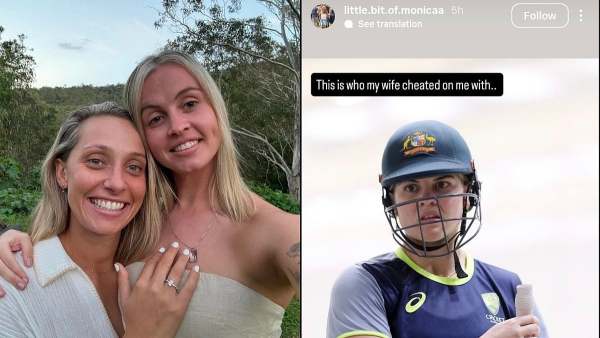
'Captains Expected To Set Standards': Ex-Wife Calls For Ashleigh Gardner's Sacking After Affair With Younger Teammate
-
Govinda Reveals He Was 'Kind Of' Suicidal After Mother Nirmala Devi's Death: 'I Was In Tremendous Pain, Felt Everything Was Over'

-
Man booked for stalking flight attendant at Hyderabad Airport

-
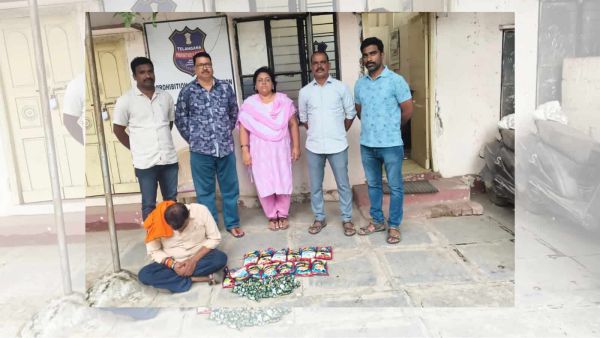
Man caught with 4.2 kg ganja chocolates in Rangareddy district
-
Mamata attacked during visit to deceased TMC worker’s house