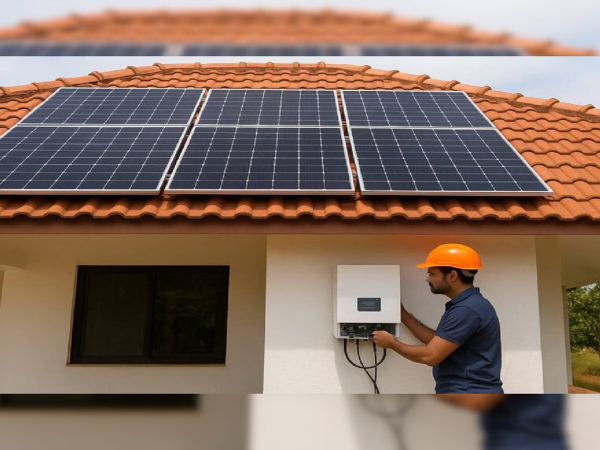
Can an entire house run solely on solar power without a grid connection? The answer is yes, but it requires a solar system of the right capacity and adequate battery storage. During the day, solar panels generate electricity from sunlight, while at night, batteries meet the home's power needs. Such a setup is typically called an off-grid solar system. However, the system's size must be determined based on the household's electricity consumption and backup requirements.
How does a fully solar-powered home operate?
In a fully solar-powered home, electricity needs are met by solar panels, with batteries providing power at night or during periods of low sunlight. This is known as an off-grid solar system. In contrast, an on-grid system maintains a connection to the utility grid alongside the solar panels. Off-grid systems are designed to allow the home to function independently of the grid when necessary. During the day, solar panels convert sunlight into electricity, and any surplus power can be stored in batteries.
Batteries provide power at night
Since solar panels do not generate electricity at night, batteries are a crucial component of a fully solar-powered home. The required battery size depends on the household's electricity usage and the duration of backup needed. If appliances like fans, lights, TVs, and refrigerators are used at night, a small battery will not suffice. Lithium-ion batteries are becoming popular for home solar systems due to their high energy capacity and ability to withstand repeated charging cycles.
How many solar panels and batteries are needed?
The required number of solar panels and batteries varies from home to home, depending on total electricity consumption. Before setting up the system, it is essential to assess factors such as daily electricity requirements, consumption patterns (day vs. night), desired backup duration, and the amount of sunlight available in your area. Seasonal variations in electricity consumption—such as differences between summer and winter—must also be considered. Therefore, determining the system size based solely on panel capacity is not advisable.
How do clouds, rain, and heavy appliances affect the system?
Cloudy weather and rain can pose challenges for a fully solar-powered system, as panels generate less electricity when sunlight is limited. If the battery is well-charged beforehand, the home's power supply will continue; however, prolonged periods of low sunlight could deplete the battery. In such cases, additional battery backup might be required. Appliances such as refrigerators, water pumps, air coolers, microwaves, washing machines, and air conditioners also consume significant amounts of electricity. Running an air conditioner on solar power for extended periods, in particular, requires a high-capacity solar setup and adequate battery storage.
-
Player Ratings: Four 4/10s as Liverpool lose to AS Monaco

-
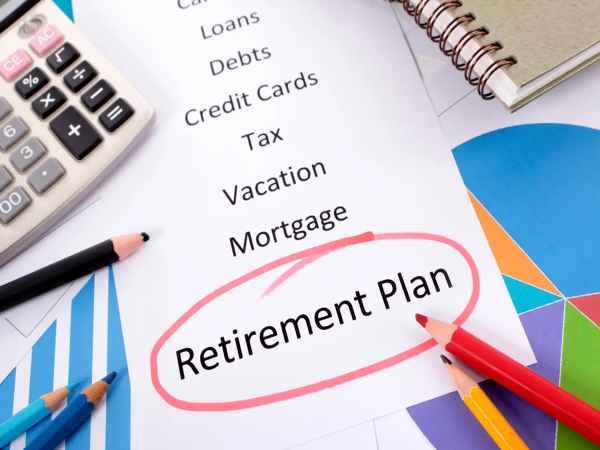
Retirement Planning: Will your savings last for 30 years after retirement? Understand the full calculation..
-
Last chance for Class 6 admission at Navodaya Vidyalaya; deadline to fill the form is today

-
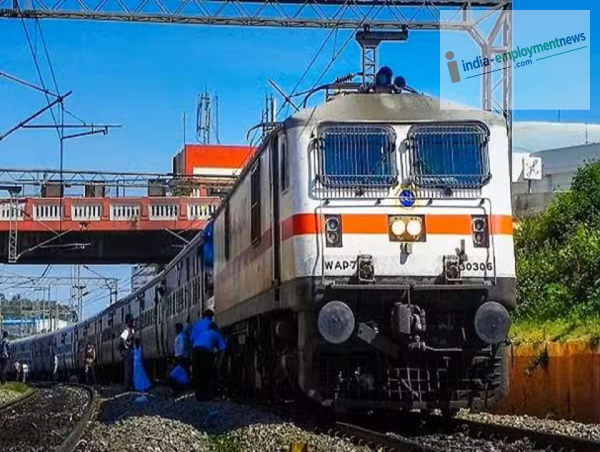
Traveling out of town for cancer treatment? This railway rule ensures a confirmed berth.
-
Career: How can one become an air hostess, and what degree is required?