
Farmers often face a dire need for financial resources for farming, from sowing to harvesting. Expenses for seeds, fertilizers, pesticides, irrigation, labor, and expensive agricultural equipment often pose a significant challenge for farmers. To help farmers meet these financial needs, the government has launched the Kisan Credit Card (KCC) scheme.
Through this scheme, farmers can easily obtain loans from banks for farming and other activities. This remarkable scheme was launched in August 1998. Initially, it was primarily used to cover crop cultivation expenses, but over time, its scope has expanded significantly. It now includes a wide range of activities, including dairy, animal husbandry, fisheries, poultry, and beekeeping.
How cheap is the loan available on KCC?
The most significant and distinctive feature of the Kisan Credit Card (KCC) is its extremely low interest rate. Under the revised interest subsidy scheme, banks provide farmers with loans at a 7% annual interest rate on eligible KCC loans up to ₹3 lakh.
If a farmer repays their loan on time, they receive an additional 3% interest subsidy from the government. This reduces the effective interest rate to just 4% annually for a farmer who repays their loan on time. However, this interest benefit is subject to meeting all rules and eligibility requirements, so farmers should consult their bank for complete information on the current terms and conditions.
Who can avail the benefits of KCC scheme?
A wide range of individuals involved in agriculture can benefit from the KCC scheme. This primarily includes farmers who cultivate their own land. Furthermore, farmers who lease land and sharecroppers are also eligible.
Self-help groups (SHGs) and joint liability groups (JLGs) of farmers across the country are also covered under this scheme. Additionally, those involved in agriculture- activities such as animal husbandry, dairy, fisheries, beekeeping, sericulture, and mushroom production can easily apply for KCC. Linking your bank account with documents is required to avail the benefits of this scheme.
Up to how much rupees can KCC loan be availed?
The credit limit under the KCC is not the same for every farmer. It is determined based solely on the farmer’s land holdings, crop type, total area under cultivation, and actual needs. A special provision is made for a maximum credit limit of ₹3 lakh for crop cultivation and post-harvest expenses.
Meanwhile, the working capital limit for activities such as animal husbandry, dairy, fisheries, sericulture, and beekeeping can be up to a maximum of ₹2 lakh. Furthermore, a “Flexi KCC” facility has been made available for small and marginal farmers, with a flexi limit of ₹10,000 to ₹50,000 available for some farmers with land holdings of up to 1 hectare.
How is the credit limit of KCC decided?
The credit limit for a KCC is typically set for a long period of 5 years. This is a type of revolving credit limit, which means that farmers can withdraw funds within the limit based on their needs and repay them at their convenience.
The first year’s limit is determined based on factors such as estimated crop costs, acreage, post-harvest expenses, household needs, and insurance premiums. From the second to the fifth year, the credit limit is increased by up to 10% annually to account for rising costs.
In what works can KCC money be used?
The use of KCC isn’t limited to wheat, rice, or traditional seasonal crops. Farmers can use it to cultivate vegetables, fruits, flowers, spices, medicinal plants, and a variety of other crops.
It can also be used to cover post-harvest expenses. Furthermore, loans based on electronic negotiable warehouse receipts (e-NWRs) are also available. Its biggest advantage is that farmers are prevented from being forced to sell their produce at throwaway prices immediately after harvest. Under certain circumstances, interest subsidies for up to six months are also available on receipts for crops stored in registered warehouses.
Where and how to apply for KCC?
Any farmer in the country can easily apply for a KCC from a variety of banks and financial institutions. These include public sector banks, eligible private sector banks, regional rural banks, rural cooperative banks, small finance banks, and computerized primary agricultural credit societies (PACS).
To apply, farmers must visit their nearest bank branch, although many banks now offer online applications. At the time of application, they must submit an identity card, residence certificate, and land deeds or lease documents. After the bank verifies all documents, a Kisan Credit Card is issued to the eligible farmer.
-
Leeds United player ratings against Manchester United: James Trafford and Wilfried Gnonto impress in Croke Park draw

-
Alejandro Garnacho gets key backing from Premier League great Brad Friedel after tough start at Aston Villa

-
Why Chelsea cannot sell £56 million Enzo Fernandez this summer

-
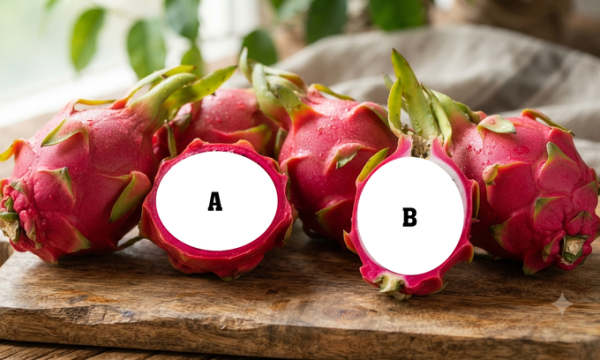
Can you tell red-flesh and white-flesh dragon fruit apart in just 5 seconds?
-
Why collectors pay millions for fractured porcelain