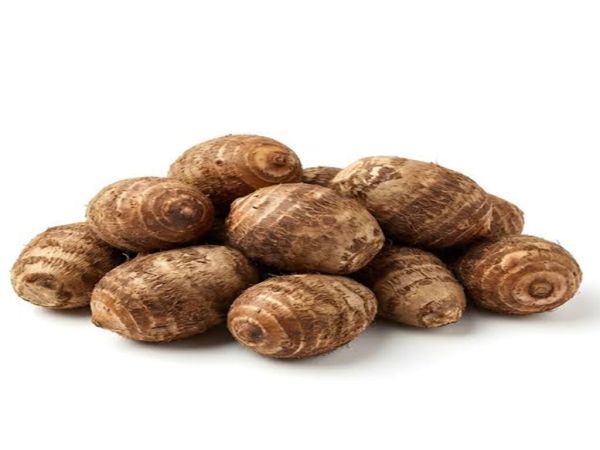
Arbi is often blamed for causing bloating, heaviness or digestive discomfort. However, this traditional root vegetable—botanically known as Colocasia esculenta—may actually offer several important benefits for gut health when cooked and eaten properly.
Research has highlighted the nutritional value of arbi, particularly its resistant starch and fibre content. Although some people consider it difficult to digest, experts say the vegetable can act as a valuable food source for beneficial gut bacteria and may support a healthier, more diverse gut microbiome.
According to Dr Abhishek Deepak, Senior Consultant, Gastroenterology at Fortis Greater Noida, arbi is an often-overlooked prebiotic food with several potentially useful effects on the intestinal ecosystem.
The key, however, is proper preparation. Much of the digestive discomfort associated with arbi may be linked to eating it raw or insufficiently cooked rather than the vegetable itself.
Why Gut Health Matters
The gut microbiome consists of trillions of microorganisms that play a role in much more than digestion. A healthy and balanced gut is associated with nutrient absorption, immune function, metabolism and the regulation of inflammation. Growing research also suggests that gut health may influence mood and the gut-brain connection.
Eating a varied diet rich in fibre and plant-based foods can help support microbial diversity. Arbi may be one such traditional food that contributes beneficial nutrients and fermentable compounds to the diet.
1. Arbi Contains Gut-Friendly Resistant Starch
One of arbi’s most important potential benefits comes from its resistant starch.
Unlike regular starch, resistant starch is not fully broken down in the small intestine. Instead, it reaches the colon, where it can be fermented by beneficial gut microorganisms.
Dr Deepak notes that a 100-gram serving of cooked taro can provide roughly 4 to 5 grams of resistant starch, including resistant starch that may act as fuel for beneficial bacteria.
During fermentation, gut microbes can produce short-chain fatty acids (SCFAs), including butyrate, acetate and propionate.
Butyrate is particularly important because it serves as a major energy source for cells lining the colon and may help support the integrity of the intestinal barrier.
These processes could help promote a healthier gut environment and support normal metabolic function.
2. Its Soluble Fibre May Support Beneficial Bacteria
The slightly slippery texture of arbi comes partly from naturally occurring mucilage and other soluble fibres.
This type of fibre can slow gastric emptying, increase the feeling of fullness and provide nourishment for certain beneficial microorganisms.
Dr Deepak highlights the potential role of arbi’s soluble fibre in supporting bacteria such as Akkermansia muciniphila, which is associated with the protective mucus layer of the intestine.
Healthy levels of this bacterium have been linked in research to better metabolic and gut health, while reduced levels have been associated with inflammation, obesity and insulin resistance.
3. Arbi Contains Prebiotic Polyphenols
Certain varieties of arbi, particularly pigmented types, also contain plant compounds such as anthocyanins, quercetin and chlorogenic acid.
These polyphenols are not always completely absorbed in the upper digestive tract. Some can reach the colon, where gut bacteria may convert them into other biologically active compounds.
This interaction between plant polyphenols and gut microbes may support the broader relationship between gut health, immunity and inflammation.
4. A Combination of Soluble and Insoluble Fibre
Arbi offers more than one type of fibre.
Along with soluble fibre, it contains insoluble fibre, which can help add bulk to stool and support regular bowel movements.
Dr Deepak notes that the combination of different fibres may contribute to greater microbial diversity. A more diverse gut microbiome is generally considered an important feature of a healthy intestinal ecosystem.
Compared with some highly fermentable foods, arbi may also be better tolerated by certain individuals. However, people with digestive conditions such as IBS or SIBO should still pay attention to their personal tolerance and seek professional advice where necessary.
5. Provides Minerals That Support Overall Health
Arbi also contains several essential minerals, including potassium, magnesium and zinc.
These nutrients contribute to various normal functions in the body. Zinc, for example, plays a role in processes involved in tissue repair and immune function, while potassium is important for normal cellular activity.
Together with its fibre and resistant starch, these micronutrients add to arbi’s nutritional profile.
When prepared properly and eaten as part of a balanced diet, arbi may be a useful addition for people who want to:
- Support greater diversity in their gut microbiome
- Increase their intake of fibre-rich whole foods
- Reduce dependence on ultra-processed foods
- Gradually move towards a higher-fibre diet
- Include more nutrient-dense traditional vegetables in their meals
Arbi should not be viewed as a magic solution for digestive problems, but it can be one component of a varied, plant-rich eating pattern.
While arbi can be nutritious, it may not be suitable in the same amount for everyone.
Dr Deepak advises caution in certain situations.
Raw or Undercooked Arbi
Raw or inadequately cooked arbi can cause irritation and discomfort because of naturally occurring calcium oxalate crystals. Thorough cooking is essential before consumption.
People Prone to Kidney Stones
Those with a history of certain types of kidney stones may need to moderate their intake because arbi contains oxalates. Personal dietary advice from a healthcare professional may be helpful.
People With Active Digestive Conditions
Individuals with active inflammatory bowel disease or other significant gastrointestinal conditions should discuss dietary changes with a gastroenterologist or registered dietitian.
Preparation can make a major difference in how well arbi is tolerated.
For a healthier approach:
- Cook arbi thoroughly before eating
- Avoid making deep-fried arbi a regular habit
- Pair it with other fibre-rich vegetables
- Use traditional spices such as jeera and hing for flavour and digestion
- Start with moderate portions if you are not used to a high-fibre diet
Boiling, steaming or preparing arbi in a lightly cooked vegetable dish may be preferable to frequent deep-frying.
The Bottom Line
Arbi may have been unfairly labelled as a food that is always difficult to digest. When cooked correctly, this traditional vegetable provides resistant starch, soluble and insoluble fibre, beneficial plant compounds and essential minerals.
These nutrients may help nourish beneficial gut bacteria and support a healthy gut environment.
Rather than avoiding arbi because of its reputation for causing bloating, consider how it is prepared and how much you eat. For many people, properly cooked arbi can be a nutritious addition to a balanced diet and a traditional Indian food worth bringing back to the plate.
Note: Individual responses to foods can vary. People with persistent digestive symptoms or underlying gastrointestinal conditions should seek personalised advice from a qualified healthcare professional.
-
‘Infantino era is over’ - Javier Tebas steps up fresh attack on FIFA president and calls for a shift in football power

-
WATCH: Yuvraj Singh, Abhishek Sharma, Arshdeep Dance At Ramandeep Singh’s Wedding Reception

-
Top 5 Batsmen To Face 500+ Balls In A Test Inning

-
Too Young To Retire? 5 Cricketers Who Walked Away From International Cricket Early

-
Bengaluru Food Safety Raid: How Spoiled Food Can Trigger Serious Health Problems