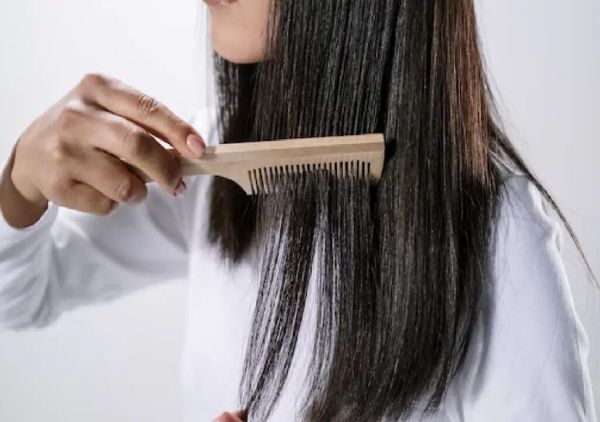
Bengaluru: Hair ageing is often noticed gradually, with strands that were once smooth and manageable becoming drier, rougher, thinner or more prone to frizz. For some people, even the natural texture of their hair can appear to change over time.
While genetics and age play an important role in how hair changes, everyday habits can also influence its condition. Nutrition, chemical treatments, heat styling and changes in body weight may all affect hair health.
Dermatologist Gurveen Waraich recently discussed the subject in an Instagram video, sharing her own experience of how her hair changed over the years. She said her hair was “so silky and straight” in her 20s but later became “dry, frizzy” and even curly at the back.
According to her, hair ages just like other parts of the body. However, adopting healthier habits early may help reduce avoidable damage and support better hair health as the years go by.
1. Keep an eye on important nutrients
Nutrition can play an important role in maintaining healthy hair. Waraich recommends keeping certain nutrient levels within a healthy range, particularly vitamin B12, vitamin D, calcium and ferritin.
Ferritin reflects the body’s stored iron and can be relevant when evaluating certain types of hair loss. Vitamin B12 and vitamin D are also important for overall health, while calcium plays several essential roles in the body.
However, having hair concerns does not automatically mean there is a nutritional deficiency.
People who suspect that their hair changes could be linked to a deficiency should consider appropriate blood tests and medical advice rather than taking supplements without confirmation.
Excessive supplementation can also be unnecessary or potentially harmful, making it important to identify an actual deficiency before starting treatment.
2. Be cautious with chemical treatments
Keratin treatments, cysteine treatments, smoothing and rebonding can make hair appear straighter and smoother, but repeated chemical processing can affect the hair shaft.
These procedures can involve chemicals and heat that alter the structure of the hair. Frequent treatments may leave already fragile or ageing hair more susceptible to dryness, breakage and roughness.
Waraich strongly cautioned against repeatedly subjecting hair to such treatments, describing them as among the worst habits for long-term hair health.
This does not necessarily mean that everyone must completely avoid salon treatments. However, people who regularly colour, straighten or chemically process their hair should pay attention to how frequently these procedures are performed and allow adequate time between treatments.
3. Never skip heat protection
Heat styling is another common source of hair damage.
Straighteners, curling irons and blow dryers can expose the hair shaft to high temperatures. Frequent exposure may contribute to dryness, brittleness and breakage, particularly when the hair is already chemically treated or naturally dry.
Using a heat-protectant product before styling can help reduce heat- damage.
It is also useful to avoid unnecessarily high temperatures and limit repeated passes of a straightener or curling tool over the same section of hair.
Allowing hair to dry naturally when practical and reducing the frequency of high-heat styling can further minimise avoidable stress on the strands.
4. Make sure you get enough protein
Hair is primarily composed of a structural protein called keratin, making adequate protein intake an important part of overall hair health.
A consistently inadequate protein intake can affect the body’s normal functions, including processes involved in hair growth.
Rather than relying on a single food or supplement, maintaining a balanced diet with sufficient protein is a more sustainable approach.
Depending on individual dietary preferences, protein can come from foods such as eggs, dairy products, fish, poultry, meat, pulses, beans, soy products, nuts and seeds.
People following vegetarian or vegan diets can also obtain protein from a variety of plant-based sources by maintaining a well-balanced diet.
5. Avoid extreme weight changes
Rapid changes in body weight can place physiological stress on the body and may affect the hair growth cycle.
Significant or rapid weight loss, particularly when accompanied by inadequate calorie or nutrient intake, has been associated with increased hair shedding in some people.
For this reason, Waraich recommends avoiding dramatic weight changes and instead focusing on gradual and sustainable approaches.
Crash diets can be particularly problematic because they may restrict not only calories but also essential nutrients needed for normal bodily functions.
A balanced eating pattern combined with appropriate physical activity is generally a better approach than pursuing rapid changes in weight.
Hair texture can change with age
Changes in hair texture are not necessarily a sign that something is wrong.
As people age, changes in the hair follicle and the production of natural oils can affect how strands feel and behave. Hair may become drier, finer or more fragile, while changes in its natural pattern can also occur.
Environmental exposure, frequent washing, colouring, chemical treatments and heat styling can add to this effect.
Genetics also have a significant influence, meaning that two people of the same age may experience very different changes in hair texture and density.
Hair care goes beyond products
One of the broader lessons from Waraich’s advice is that maintaining healthy-looking hair is not solely about shampoos, conditioners, oils or styling products.
Daily habits can have an equally important role.
A balanced diet can help provide the nutrients required by the body, while limiting excessive chemical and heat treatments can reduce damage to the hair shaft. Protecting hair during styling and avoiding extreme dieting can also support healthier growth and appearance.
People experiencing sudden or significant hair loss, major changes in texture or persistent scalp problems should not assume that ageing is the only explanation. A dermatologist can assess the scalp and hair and determine whether factors such as nutritional deficiencies, hormonal changes, medications or other underlying conditions need to be investigated.
The takeaway
Hair naturally changes as people age, and it may become drier, rougher, thinner or more difficult to manage over time. While genetics and ageing cannot be completely controlled, some everyday habits can help minimise avoidable damage.
Keeping an eye on important nutrients, getting adequate protein, avoiding extreme weight changes, limiting repeated chemical treatments and using heat protection can all form part of a healthier hair-care routine.
Ultimately, caring for ageing hair is not just about what is applied to the strands. Nutrition, styling practices and overall lifestyle can all influence how hair looks and feels as we grow older.
-
Smart TV Tips: Change these 6 settings as soon as you turn on your new Smart TV to enhance your viewing experience..

-
Assam Karate Gold Medallist Returns Home To Flood-Displaced Family Living In Tent

-
NEET PG 2026 City Slip OUT Today? Check Expected Release Time, Download Steps Here

-
NDA MPs Stage Protests In Parliament Against Rahul Gandhi, Police Action On Students In Jharkhand

-
Harbhajan Singh Shares 'Zombie Drug' Video To Target Punjab Govt, Turns Out To Be From Rajasthan