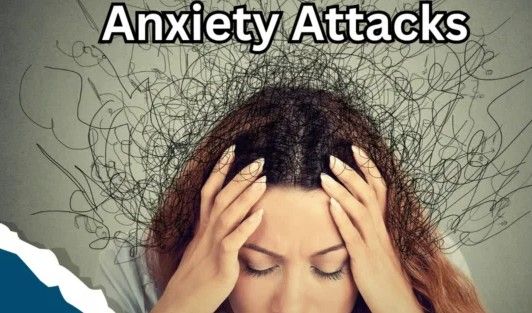
An anxiety attack can feel sudden, overwhelming, and frightening. Your heart may race, breathing can become fast, and you may feel dizzy or shaky. Although “anxiety attack” is commonly used, it is not a formal medical diagnosis. People often use it to describe intense anxiety, while panic attacks are usually more sudden and intense. Understanding what happens inside your body during an anxiety attack can make these sensations easier to recognize.
Your Body Activates the Fight-or-Flight Response
When your brain senses danger, stress, or a perceived threat, your body can activate its fight-or-flight response. Stress hormones such as adrenaline and cortisol are released, preparing you to respond quickly. Your heart rate and breathing may increase, muscles become more alert, and digestion can slow temporarily. During intense anxiety, these changes can happen even when there is no immediate physical danger.
What Happens to Your Heart and Breathing?
One noticeable change is a faster or stronger heartbeat. You may feel your heart pounding. Breathing can also become rapid or shallow. During a panic attack, fast breathing may contribute to dizziness, light-headedness, tingling, or numbness.
These sensations can create a worrying cycle. You might notice your racing heart and interpret it as a serious problem. That fear can increase anxiety, making the physical symptoms feel even stronger.
Why Do You Feel Dizzy, Shaky, or Sweaty?
Anxiety can affect several body systems at the same time. Increased adrenaline can make you feel shaky, sweaty, restless, or unusually alert. You may also experience chills, hot sensations, weakness, nausea, stomach discomfort, or tingling in your fingers or lips.
Read more: Why is Sabudana A Sawan Favourite? Health Benefits of Sabudana and Nutritional Value Explained
These symptoms are real physical responses. They are not “just in your head.” Your nervous system is responding to a perceived threat, even when the situation is not physically dangerous.
What Happens to Your Thoughts?
Anxiety affects the mind as well as the body. Your thoughts may become focused on danger or the possibility that something bad will happen. Some people experience fear of losing control, feeling detached from their surroundings, or a sense of impending doom. Concentrating on tasks can become difficult because attention is focused on the perceived threat.
This mind-body connection matters. Physical sensations can increase frightening thoughts, while frightening thoughts can intensify physical sensations.
What To Do During Anxiety Attack
Knowing what to do during an anxiety attack can help you respond calmly. Move to a safe and comfortable place. Remind yourself that intense anxiety can cause strong physical sensations and can pass.
Try slowing your breathing rather than taking very rapid breaths. Focus on gentle, controlled breathing and allow your shoulders and muscles to relax. Ground yourself by noticing what you can see, hear, and feel. Speaking with someone you trust may provide support.
Avoid repeatedly checking your pulse or searching for frightening explanations online, as this can increase worry. Instead, focus on allowing the episode to settle while staying safe.
How Long Does an Anxiety or Panic Attack Last?
Duration varies. Anxiety can build gradually and continue for longer periods, while panic attacks usually come on suddenly and often peak quickly. The NHS states that a panic attack commonly lasts around 5 to 20 minutes. Symptoms usually settle with time.
When Should You Seek Medical Help?
Anxiety symptoms can resemble other health problems, so do not automatically assume that new or severe symptoms are caused by anxiety. Chest pain, severe difficulty breathing, fainting, or other concerning symptoms should be medically assessed, particularly when they are new or severe.
Read more: Karnataka To Launch India’s First Women’s Health Policy With A Focus On Menopause
If anxiety or panic attacks happen repeatedly or interfere with work, relationships, sleep, or activities, speak with a healthcare professional. Anxiety and panic conditions can be treated. Treatment may include psychotherapy such as cognitive behavioral therapy or medication when appropriate.
Final Thoughts
Understanding what happens inside your body during an anxiety attack can reduce fear around unfamiliar symptoms. A racing heart, faster breathing, sweating, trembling, stomach discomfort, dizziness, and intense thoughts can all be connected to the body’s stress response. Learning your triggers, practicing calming techniques, and seeking professional support when needed can help you manage recurring symptoms and improve life.
-
Smart TV Tips: Change these 6 settings as soon as you turn on your new Smart TV to enhance your viewing experience..

-
Assam Karate Gold Medallist Returns Home To Flood-Displaced Family Living In Tent

-
NEET PG 2026 City Slip OUT Today? Check Expected Release Time, Download Steps Here

-
NDA MPs Stage Protests In Parliament Against Rahul Gandhi, Police Action On Students In Jharkhand

-
Harbhajan Singh Shares 'Zombie Drug' Video To Target Punjab Govt, Turns Out To Be From Rajasthan