
Pulsar N160 vs. Apache RTR 160: If you are planning to buy a new bike in the 160cc segment, these two major names from Bajaj and TVS are worth considering. Bajaj recently launched the new Pulsar N160, making the competition in this segment even more interesting. This motorcycle comes with an all-new 4-valve engine that delivers more power than before. Its top variants also include new features such as a TFT instrument cluster with Google Maps mirroring, traction control, and four ride modes. So, let's find out which bike—the Pulsar N160 or the Apache RTR 160 4V—proves to be better for daily use.
The Pulsar N160 4V and Apache RTR 160 4V are both powerful 160cc bikes. Find out which model is better for you based on engine, features, weight, brakes, and price.
Pulsar N160 vs. Apache RTR 160 Engine
Starting with the engine, the Pulsar N160 4V is equipped with a 164.5cc, single-cylinder, oil-cooled engine. This engine produces 18.5 hp at 9,500 rpm and 14.4 Nm of torque at 8,000 rpm. Meanwhile, the Apache RTR 160 4V features a 159.9 cc, single-cylinder, oil-cooled engine that delivers 17.55 hp at 9,250 rpm and 14.73 Nm of torque at 7,500 rpm.
Pulsar N160 vs. Apache RTR 160: tires and Braking
The Pulsar N160 4V comes with 100/80-17 front and 130/70R17 rear tyres. The Apache RTR 160 4V is fitted with 90/90-17 front and 130/70R17 rear tyres. Both bikes feature dual-channel ABS, which helps provide better control during sudden braking. In terms of braking, the Pulsar N160 4V features a 300mm disc at the front and a 230mm disc at the rear. The Apache comes with a 270mm front disc and a 240mm rear disc; essentially, both companies have tuned their front and rear brake sizes differently. For daily city riders, the braking setup on both bikes appears robust.
Pulsar N160 vs. Apache RTR 160 Features
In terms of features, the new Pulsar N160 4V is a step ahead of its rival. Its top variant includes a TFT instrument cluster with features such as Google Maps mirroring. Additionally, it comes equipped with traction control and four riding modes.
These features elevate the bike beyond a mere commuter. Specifically, having navigation information displayed on the cluster—rather than repeatedly checking one's phone—can make daily commutes much more convenient. While the Apache RTR 160 4V holds its own with its sporty nature and feature set, the new Pulsar emerges as a more compelling package in terms of technology.
Pulsar N160 vs. Apache RTR 160 Price
Regarding pricing, the new Pulsar N160 is available in two variants. Its starting ex-showroom price is ₹1.33 lakh, while the top-end variant goes up to ₹1.42 lakh.
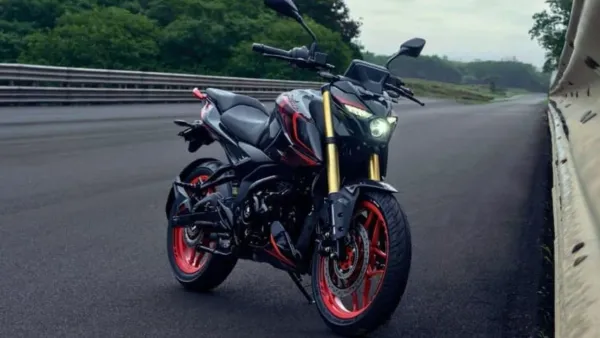
In comparison, the TVS Apache RTR 160 4V is available in four variants, with a starting ex-showroom price of ₹1.19 lakh. Its top variant goes up to approximately ₹1.39 lakh. Thus, in terms of budget, the Apache has a lower starting price, and the availability of multiple variants offers buyers a wider range of choices.
Which bike is better for daily use?
If you prioritize higher power, advanced features, a superior connected experience, and a larger fuel capacity, the Pulsar N160 4V is the more attractive option. Its new 4-valve engine and TFT cluster make it a powerful package. However, its higher weight and price point might give some buyers pause.
-
You’re supporting Gaza genocide: Protester confronts NZ PM Luxon

-
Shubman Gill polishes game against left-arm spinners at nets

-
SC comes to rescue of 105-yr-old murder convict

-
Manipur: Public transport services resume on NH-2 after 3 years

-
Dipke demands thorough investigation into MMRDA JE exam results