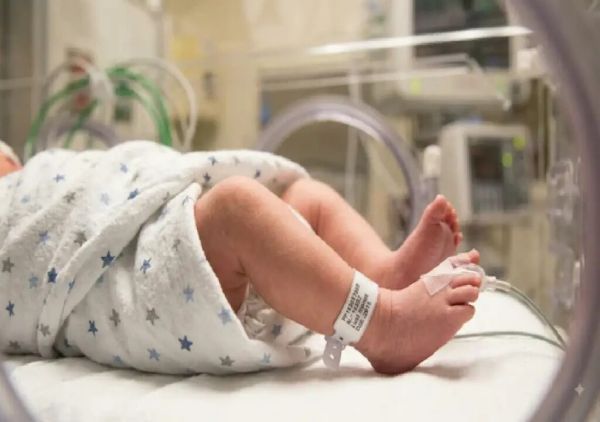
New Delhi: Respiratory Syncytial Virus (RSV) is a common respiratory infection that can cause serious illness in infants, particularly during the first year of life. While the infection may initially resemble an ordinary cold, some babies can develop bronchiolitis or pneumonia within a few days, resulting in rapid and laboured breathing and, in severe cases, hospitalisation.
RSV is one of the leading causes of lower respiratory tract infections in young children. Nearly every child is exposed to the virus by the age of two. While older children and adults generally experience mild, cold-like symptoms, infants can develop more severe disease because their smaller airways are more vulnerable to inflammation and obstruction.
RSV may begin like a common cold
One of the challenges in identifying severe RSV infection is that it may initially appear relatively harmless.
An infected infant may develop a runny nose, nasal congestion and cough. In some cases, however, symptoms can worsen over the following two to three days as the infection spreads to the smaller airways and lungs.
Inflammation and mucus in the airways can make breathing increasingly difficult. Some infants may develop bronchiolitis, while others can develop pneumonia.
Parents should therefore pay close attention to changes in a baby’s breathing and overall condition rather than assuming that every cold will remain mild.
Why infants are more vulnerable
RSV can affect people of all ages, but infants are particularly vulnerable to severe lower respiratory tract infections.
Because babies have smaller airways, inflammation and mucus caused by the infection can obstruct airflow more easily. This can lead to breathing difficulties and, in severe cases, the need for hospital care and respiratory support.
Premature babies and infants with congenital heart disease, chronic lung disease or weakened immunity are considered particularly vulnerable to severe RSV disease.
However, severe infection is not restricted to babies with known medical risk factors.
“RSV infection is often underestimated because it begins like a common cold. However, in some infants, the illness can progress rapidly over the next few days to severe bronchiolitis or pneumonia requiring hospitalisation and even ventilatory support,” said Dr Shyam Kukreja, Senior Director and Head of the Department of Paediatrics at Max Super Speciality Hospital, Patparganj, New Delhi.
He also noted that severe RSV disease can occur in full-term babies who were previously healthy.
How RSV spreads
RSV is highly contagious and can spread through respiratory droplets released when an infected person coughs or sneezes.
The virus can also spread through close physical contact and contaminated hands, toys and frequently touched surfaces.
This makes young babies particularly vulnerable when they are exposed to infected family members, caregivers or other children.
Parents and caregivers can reduce the risk of transmission by maintaining good hand hygiene and limiting close contact between babies and people experiencing respiratory symptoms.
Who is at higher risk?
Certain infants have a greater likelihood of developing severe RSV- illness.
These include babies born prematurely, children with chronic lung disease and infants with congenital heart conditions. Babies with weakened immune systems may also face an increased risk.
At the same time, doctors stress that otherwise healthy, full-term infants can also develop severe RSV infection.
This is important because parents should not assume that a baby is protected from serious disease simply because the child has no underlying medical condition.
Prevention is becoming increasingly important
Treatment for RSV infection has traditionally focused largely on supportive care after symptoms develop.
However, preventive approaches are now available that can help reduce the risk of severe RSV disease in infancy.
Dr Avadhesh Ahuja, Associate Director and Head of the Department of Neonatology at Fortis La Femme Hospital, South Delhi, said preventive strategies have advanced in recent years.
“Until recently, management of RSV relied primarily on supportive care after the child became ill,” he said, adding that advances in prevention have created opportunities to reduce the risk of severe disease during infancy.
He said these approaches have the potential to reduce hospitalisations and the burden of severe RSV disease during the most vulnerable months of life.
Parents should discuss available RSV prevention options with their paediatrician and understand which options may be appropriate for their baby.
Hand hygiene can reduce exposure
Good hand hygiene remains one of the simplest ways to reduce the spread of respiratory viruses.
Parents, caregivers and visitors should wash their hands before touching or feeding a baby, particularly after coughing, sneezing or blowing their nose.
Hands can carry respiratory viruses from contaminated surfaces to a baby’s mouth, nose or eyes. Regular handwashing can therefore help reduce opportunities for transmission.
Families should also encourage visitors who are unwell to postpone close contact with the baby until they have recovered.
Keep sick people away from babies
People experiencing cough, cold, fever or other respiratory symptoms should avoid close contact with infants.
Caregivers and visitors should not kiss babies on the face when they are unwell. Where possible, direct contact between an infected person and a young infant should be minimised.
This precaution is especially important during periods when respiratory infections are circulating widely.
Avoid unnecessary crowded exposure
Parents can also reduce the risk of exposure by limiting unnecessary visits to crowded indoor spaces during periods of high respiratory virus activity.
Good ventilation can further help reduce the concentration of respiratory droplets and particles indoors.
These measures do not guarantee that a baby will avoid RSV, but they can reduce opportunities for exposure.
Clean toys and frequently touched surfaces
RSV can also spread through contaminated hands and surfaces.
Frequently touched objects, toys and surfaces around the baby should therefore be cleaned regularly.
Parents should pay particular attention to objects that are frequently handled by several people or placed in the baby’s mouth.
Maintaining a clean environment is especially useful when someone in the household has a respiratory infection.
Breastfeeding can continue
Breastfeeding should generally be continued, including during periods when respiratory viruses are circulating.
Parents should follow appropriate hygiene practices while feeding and seek medical advice if either the mother or baby develops significant illness.
If a baby develops symptoms of respiratory infection, parents should monitor the child’s condition closely and consult a paediatrician when necessary.
Watch for worsening symptoms
The progression from a mild cold to a more serious lower respiratory infection can occur over a short period in some infants.
Parents should be particularly attentive to changes in breathing, especially if the baby develops rapid or laboured breathing, persistent cough, difficulty feeding or appears unusually tired or distressed.
Any significant breathing difficulty in a young infant warrants prompt medical assessment.
Parents should not attempt to manage potentially serious breathing problems at home without professional guidance.
Early protection can make a difference
RSV is extremely common during early childhood, and most children recover without major complications. However, the infection can become serious in some infants, particularly during the first year of life.
The combination of preventive measures, hygiene, awareness and timely medical attention can help reduce the impact of severe RSV disease.
Parents should speak to their paediatrician about RSV prevention options available for their baby, particularly soon after birth.
For infants, recognising that a seemingly ordinary cold can sometimes progress rapidly is an important part of protecting their health. Early awareness and appropriate prevention can help reduce the risk of severe illness and hospitalisation during a particularly vulnerable stage of childhood.
-
Upgraded Jadeja? This India Star Makes Huge Case To Replace Him After His Retirement

-
Audi Q3 New-Gen SUV: What To Expect Ahead Of India Launch

-
EVs Could Stay On Roads Longer: Government Proposes New Age Limits For Commercial Vehicles

-
BJP Appoints New State In-Charges Ahead Of 2027 Polls: Check Picks For UP, Gujarat, Punjab

-
Manchester United make it clear Bruno Fernandes is not available for transfer amid Galatasaray interest