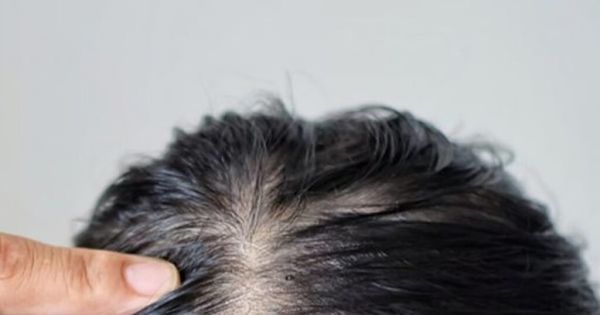
4 Easy Home Remedies for Oily Scalp
An oily scalp can make hair look greasy soon after washing and may leave you feeling like you need to shampoo every day. Excess oil production can be influenced by genetics, hormones, stress, hair-care habits and even the products you use.
While home remedies cannot permanently change how much oil your scalp produces, some simple habits can help keep excess oil under control and make your hair feel fresher.
1. Rinse Your Scalp Thoroughly
One of the simplest things you can do is make sure shampoo and other hair products are completely rinsed out.
Choose a gentle shampoo suitable for your scalp and massage it into the scalp rather than aggressively scrubbing the hair lengths. Rinse thoroughly with lukewarm water.
Leaving product residue on the scalp can contribute to buildup and make hair appear greasy.
2. Try an Aloe Vera Scalp Treatment
Aloe vera can provide a soothing, lightweight treatment for the scalp.
Apply a small amount of plain, fragrance-free aloe vera gel to the scalp and leave it on for around 10–15 minutes before rinsing thoroughly.
Do a patch test first, particularly if you have sensitive skin. Stop using it if you experience burning, itching or irritation.
3. Use Diluted Apple Cider Vinegar Carefully
Apple cider vinegar is sometimes used as a scalp rinse because its acidity can help remove product buildup.
Mix 1 part apple cider vinegar with at least 3–4 parts water. After shampooing, apply the diluted mixture to the scalp, leave it for a few minutes and rinse thoroughly.
Never apply undiluted vinegar directly to your scalp. Avoid this remedy if your scalp is irritated, scratched or has open skin.
4. Avoid Heavy Oils and Excessive Hair Products
If your scalp is already oily, regularly applying heavy oils or thick styling products directly to the scalp may make it feel even greasier.
Instead, use lightweight products and apply conditioners mainly to the mid-lengths and ends rather than the scalp if your roots become oily quickly.
Also avoid repeatedly touching your hair throughout the day, as this can transfer oil from your hands to your scalp and hair.
Important Tips for an Oily Scalp
- Don’t aggressively scrub your scalp to remove oil.
- Wash your hair as often as needed based on how oily your scalp becomes.
- Keep brushes, combs and pillowcases clean.
- Avoid very hot water when washing your hair.
- Choose non-comedogenic or lightweight scalp and hair products when possible.
When to See a Dermatologist
If excessive oiliness is accompanied by persistent itching, redness, painful bumps, heavy dandruff, scaling or hair loss, home remedies may not be enough. These symptoms can sometimes occur with conditions such as seborrheic dermatitis or other scalp disorders, so a dermatologist can identify the underlying cause and recommend appropriate treatment.
The Bottom Line
Managing an oily scalp doesn’t require complicated treatments. Thorough cleansing, lightweight hair products, gentle scalp care and avoiding excessive product buildup can make a noticeable difference. Home remedies such as diluted aloe vera or apple cider vinegar may work for some people, but they should always be used cautiously to avoid scalp irritation.
-
Manchester United make it clear Bruno Fernandes is not available for transfer amid Galatasaray interest

-
Could Chelsea still part ways with Enzo Fernandez before the transfer deadline?

-
AirSewa Portal Receives Over 64,000 Grievances In First Half Of 2026, Resolves 99.8%

-
TISS Names Tata Memorial Hospital Director Dr C S Pramesh As Chief Guest For Rescheduled 86th Convocation On August 22

-
Emraan Hashmi's Awarapan 2 Beats Sunny Deol's Batwara 1947 At The Box Office With A Huge Margin