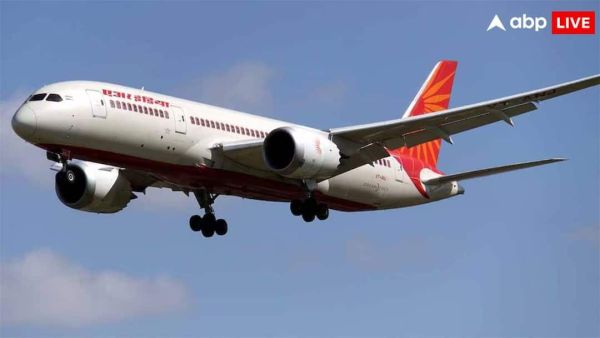
An Air India flight from Phuket to Delhi experienced a serious flight-control malfunction on August 4 when all three of its hydraulic systems failed within seconds, leaving the aircraft’s primary control surfaces unresponsive for around four seconds, according to an initial Airbus engineering report.
The incident involved Air India flight AI2379, operated by an Airbus A320neo travelling from Phuket’s VTSP airport to Indira Gandhi International Airport in Delhi. The aircraft suddenly lost around 300 feet of altitude during the episode, injuring some passengers on board.
The report, prepared by Airbus after Air India sought technical clarification following the incident, is based on data decoded from the aircraft’s flight data recorder, or black box. Airbus has described its assessment as preliminary and not a final determination of what caused the malfunction.
What Happened During Those Seven Seconds?
The Airbus report records the sequence over roughly seven seconds. Within that brief period, the aircraft’s three hydraulic systems failed one after another, the nose of the aircraft pitched upwards and the autopilot disconnected.
The pilots then found that their commands were not producing the expected response from the aircraft’s primary flight-control surfaces. The loss of hydraulic pressure left the elevators and ailerons unable to respond for around four seconds.
The aircraft subsequently regained hydraulic pressure automatically. The blue system returned first, followed by the yellow and then the green system. Once control surfaces became responsive again, the pilots were able to regain control of the aircraft.
Why Are The Three Hydraulic Systems So Important?
Hydraulic systems provide the force needed to move key control surfaces on an aircraft’s wings and tail. These surfaces allow pilots to control the aircraft’s pitch, roll and direction.
The A320 has three separate hydraulic systems, known as green, blue and yellow. The redundancy is designed to ensure that the aircraft can continue to be controlled even if one system fails.
In this incident, however, all three systems reportedly lost pressure within about a second of one another. That meant the normal backup arrangement was temporarily unavailable.
Green System Failed First, Then Blue And Yellow
According to the Airbus assessment, the green hydraulic system failed first. This affected the green control of the left elevator and both ailerons, as well as two spoilers.
The aircraft then automatically switched to its available backup systems, as designed. At that stage, the aircraft’s redundancy was still functioning as intended.
However, the blue and yellow hydraulic systems failed during the following second. With all three systems unavailable, the elevators and ailerons stopped functioning, while the remaining spoilers were also rendered ineffective.
Airbus said the affected control surfaces remained unavailable for around four seconds. Without hydraulic pressure, they were exposed to aerodynamic forces and began moving with the airflow. The ailerons moved to around 13.5 degrees, contributing to the aircraft’s nose pitching upwards.
Pilots Gave A Nose-Down Command But Got No Response
The autopilot subsequently disconnected. According to the report, the co-pilot issued a full nose-down command, but the aircraft’s control surfaces did not respond because they were temporarily inoperative.
In simple terms, the pilots were commanding the aircraft to change its attitude, but the flight-control surfaces were not responding to those inputs. That brief loss of control is one of the most significant aspects of the incident.
The situation changed after the hydraulic systems began returning. The blue system recovered after roughly seven seconds from the beginning of the sequence, followed by the yellow and green systems shortly afterwards. The flight-control surfaces then became operational again, allowing the pilots to stabilise the aircraft.
What Caused The Hydraulic Pressure Loss?
The precise cause has not yet been established. Airbus said the behaviour of the flight-control system was a consequence of the loss of hydraulic pressure.
The report indicates that at least two pressure switches recorded low pressure. A fault was also identified in one of the pressure switches associated with the green hydraulic system.
However, the report does not conclude that there was a hydraulic-fluid leak or that a hydraulic pump had failed. Instead, it establishes that the sensors recorded low pressure.
That leaves an important question for investigators: did the hydraulic pressure actually fall, or did a problem with a sensor or its wiring produce an incorrect signal? Airbus has called for further investigation before a final cause can be determined.
-
Dating app meet turns bitter for Hyderabad woman over marriage

-
SC orders fresh hearing in Revanth Reddy cash-for-vote case

-
Mom-to-be Samantha reveals having a ‘breakdown’

-
Sri Lankan Cricket Coach Dies After Altercation At Colombo Cricket Facility

-
Alyssa Healy Ranks Husband Starc No.5, Australian Pacer's Two-Word Response Steals Spotlight