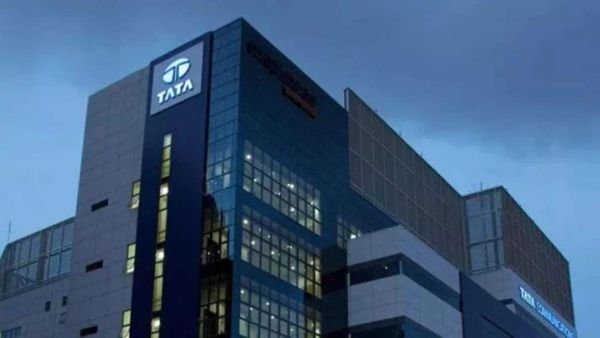
The leadership transition at Tata Sons is facing a legal roadblock, with Tata Trusts reportedly exploring ways to secure an urgent hearing before the Maharashtra Charity Commissioner.
The immediate concern is the inability of the Sir Ratan Tata Trust (SRTT) to meet or take decisions under an existing Charity Commissioner's order. That has prevented the two key Tata Trusts from putting forward a joint nominee for the Tata Sons AGM.
Citing sources, CNBC-TV18 reported that the trusts are now considering approaching the Bombay High Court, which is the appellate authority for orders passed by the Charity Commissioner. The objective is to ensure that the succession exercise at Tata Sons can move ahead.
Why The Succession Process Is Stuck
The latest development centres on the role of the two principal trusts in Tata Sons' leadership process.
The Sir Dorabji Tata Trust (SDTT) met on Thursday and formally recorded N Chandrasekaran's decision not to seek another term as Tata Sons chairman. The trust has also decided to set up a selection committee to recommend his successor.
But with SRTT currently unable to meet or take decisions, the process cannot proceed on a joint basis. No common nominee could therefore be appointed for the upcoming Tata Sons AGM.
The legal route being considered is aimed at addressing precisely this immediate difficulty, according to CNBC-TV18 sources.
Chandrasekaran's Exit Has Set The Process In Motion
Chandrasekaran announced on August 12 that he would not seek reappointment as chairman of Tata Sons beyond his existing term, which ends in February 2027.
His decision came after the proposal to extend his tenure for another five years failed to receive unanimous backing.
Both the Sir Dorabji Tata Trust and Sir Ratan Tata Trust had unanimously resolved to recommend the extension. The recommendation was also recorded by the Tata Sons Nomination and Remuneration Committee and the board.
However, when the proposal was placed before the Tata Sons board on February 24, 2026, it did not go through after one board member did not support the extension.
“In the absence of unanimous support, I chose to defer the decision,” Chandrasekaran had said.
Why Leadership Clarity Became An Issue
Chandrasekaran later said that the absence of a clear succession plan had become increasingly important given the size of Tata Sons and the number of major projects underway across the group.
“Tata Sons is a very large institution and there are many strategic projects that are under critical stages of execution,” he had said.
According to his statement, identifying the person who would lead the group beyond February 2027 was important not only for the organisation, but also for its employees, investors, partners and other stakeholders.
With six months having passed without a resolution on the proposed extension, the succession question has now moved to the forefront.
Tata Trusts Turn To A Selection Process
While the leadership transition had remained unresolved, SDTT has now taken the next formal step by deciding to constitute a selection committee.
The committee is expected to recommend Chandrasekaran's successor. However, the trust cannot complete the broader process without resolving the participation of SRTT.
That is why the possible move before the Bombay High Court has become significant.
According to the report, an urgent hearing before the Charity Commissioner is being explored first, with the Bombay High Court being considered as the next legal avenue.
Chandrasekaran's Tata Journey
The leadership uncertainty comes after Chandrasekaran spent several years at the helm of Tata Sons.
He became executive chairman of Tata Sons on February 21, 2017, following a three-decade career at Tata Consultancy Services.
At TCS, he became chief executive and managing director in 2009, before moving to the group leadership role. He was reappointed as Tata Sons chairman for a second five-year term in 2022.
His current term is due to end in February 2027.
What Happens Next
For now, the immediate issue is not the identity of Chandrasekaran's successor but whether the Tata Trusts can overcome the legal restriction affecting SRTT and proceed with the succession process.
The proposed move to seek an urgent hearing could determine how quickly the trusts are able to take the next step. Until that hurdle is addressed, the process of finalising a successor and placing a joint nominee for the Tata Sons AGM remains constrained.
The coming weeks are therefore likely to focus on the legal route being considered by the trusts and whether it clears the way for the leadership transition at Tata Sons.
-
Dating app meet turns bitter for Hyderabad woman over marriage

-
SC orders fresh hearing in Revanth Reddy cash-for-vote case
-
Mom-to-be Samantha reveals having a ‘breakdown’

-
Sri Lankan Cricket Coach Dies After Altercation At Colombo Cricket Facility
-
Alyssa Healy Ranks Husband Starc No.5, Australian Pacer's Two-Word Response Steals Spotlight