Top News

Census 2027: 40 Questions Officials Will Ask Every Household; Check Full List
Sneha | August 14, 2026 7:11 PM CST
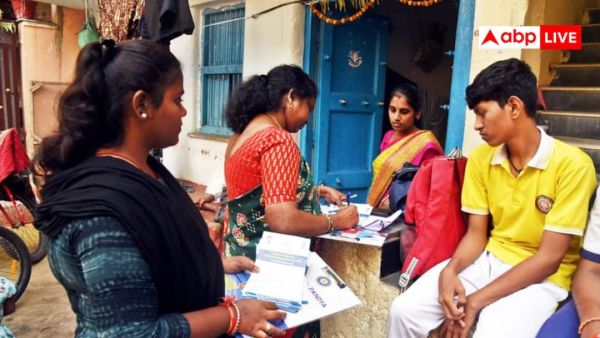
The Ministry of Home Affairs (MHA) on Friday notified the 40 questions that census officials will ask households during the Census of India 2027.

The notification, issued by the Office of the Registrar General, India, under the Census Act, 1948, said census officials will collect the specified information through the Household Schedule in their respective areas.

The questionnaire will cover a broad range of demographic, social, educational and economic details, including information about household members, migration, employment, education and access to various documents and services.

It also includes questions on literacy, digital literacy, educational attendance, highest educational level attained, work status, occupation, industry, class of worker and migration history.

Among the more significant inclusions are questions on Scheduled Castes, Scheduled Tribes and caste, as well as details of father and mother, disability, place of birth, place of last residence, reason for migration and duration of stay after migration.

What notification Read?

In a gazette notification issued on Friday, Registrar General and Census Commissioner Mritunjay Kumar Narayan said, “In exercise of the powers conferred by sub-section (1) of section 8 of the Census Act, 1948 (37 of 1948), the Central government hereby instructs and directs that the census officers may, within the limits of the local area for which they have been respectively appointed, ask all such questions of all persons residing within such limits, pertaining to the items enumerated below, for collecting information through the Household Schedule in connection with the Census of India 2027,” it added.

The Household Schedule will also collect information about women, including the number of children at present, the number of children born alive, and the number of children born alive during the last one year, wherever applicable.

“The questionnaire further seeks details on access to and possession of official documents and services, including bank accounts, mobile number, Aadhaar number, Voter ID number, passport number and driving licence. It also includes a question on the place of Covid-19 vaccination,” it said.

What Will Census Officials Ask?

The 40 questions include:

  1. Name of the person
  2. Relationship with the head of the household
  3. Sex
  4. Date of birth and age
  5. Current marital status
  6. Age at marriage
  7. Spouse's name
  8. Nationality as declared
  9. Religion
  10. Scheduled Caste (SC)/Scheduled Tribe (ST)/caste
  11. Father's particulars
  12. Mother's particulars
  13. Disability
  14. Mother tongue and other languages known
  15. Literacy and digital literacy status
  16. Attendance at an educational institution
  17. Highest educational qualification and stream/discipline
  18. Whether the person worked at any time during the last year
  19. Category of economic activity
  20. Occupation
  21. Nature of industry, trade or service
  22. Class of worker
  23. Non-economic activity
  24. Whether seeking or available for work
  25. Travel to place of work
  26. Place of birth
  27. Place of last residence
  28. Reason for migration
  29. Duration of stay in the current village/town since last migration
  30. Permanent residential address
  31. Number of surviving children
  32. Number of children ever born alive
  33. Number of children born alive during the last year
  34. Place of COVID-19 vaccination
  35. Total number of bank accounts
  36. Mobile number, if available
  37. Aadhaar number, if available
  38. Voter ID number, if available
  39. Passport number, for Indian passport holders
  40. Availability of a driving licence

Questions 31 to 33 will apply only to eligible women, with the specific categories varying according to marital status.

The Census 2027 questionnaire will therefore collect information spanning household demographics, caste and religion, education, employment, migration, family details, banking and identification documents.


READ NEXT
Cancel OK