Saturday 15 August, Independence Day. For every countryman, the day is of special emotion, remembrance, celebration at the same time. When talking about the day, one has to go back to those tumultuous moments of the independence movement. This struggle was not confined only to the streets or meetings. The heat of that historical fight was also in Gerst's Henshel. The message of the revolution reached people's daily diet. All of our most familiar foods became a tool of patriotism to break the chains of British rule. Do you know the history of how common kitchen utensils became a silent and strong protest against colonial rule? Let us know that history on the eve of Independence Day.
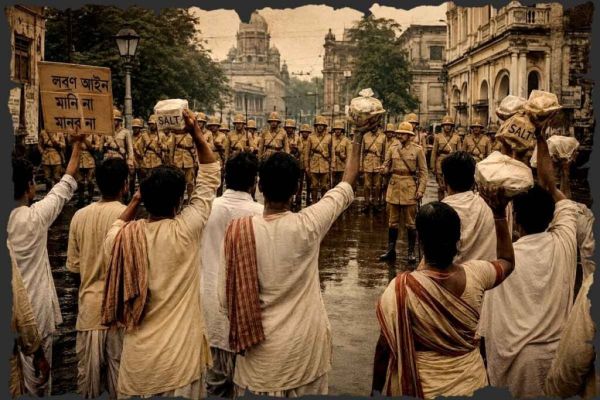
salt
In the history of freedom struggle, there are no two symbols more powerful than salt. Mahatma Gandhi chose this very common element of Henschel in response to the British Salt Laws and unjustly imposed heavy taxes imposed on the common people. At the end of the Dundee campaign on April 6, 1930, he shook the foundations of British rule by making salt from sea water. This element typical of Henschel shows the new direction of self-reliance and protest across the country.
Molasses and native sugar
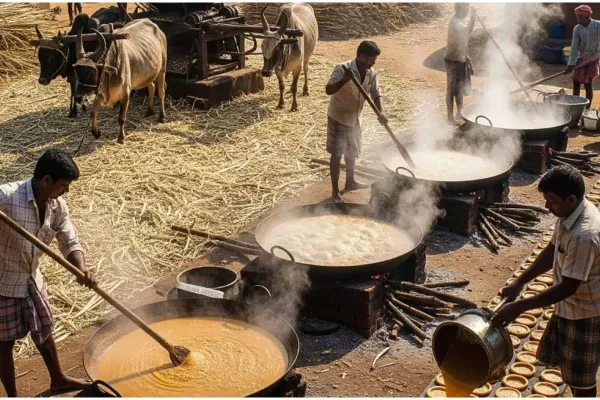
At the beginning of the 20th century, desi gur became part of the movement as an alternative to the refined sugar imported by the British. To boost the rural economy and keep the country's money in the country, Gandhiji emphasized the cottage industry of making jaggery. Besides, the call for ban on sugarcane is widespread. At that time a social boycott was imposed on the use of Bilati sugar in festivals in areas like Marathwara.
Puran Poli and Sakhrechya Gathi
The traditional 'Puran Poli' sweet of Maharashtra started using molasses instead of sugar. On the other hand, when indigenous sugar was not available to make the sugar garlands or 'sakhrechya gathi' used in festivals like Shimga and Gudi Padwa, the agitators used to boycott foreign sugar in the festival celebrations as well. This sacrifice was a hidden manifestation of the political loyalty of the people of the country.
Tea and sweets
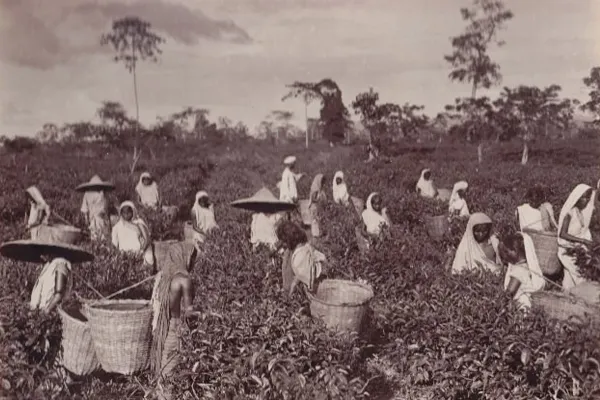
There were also protests against British tea plantation and marketing policies. The message of the Gandhian movement was to distance ourselves from the colonial tea culture. On the other hand, moira and sweetmeat sellers across the country vowed never to touch foreign sugar. Although not a street procession, the sweet boxes then became the container and bearer of the Swadeshi spirit.
On this historic day, we need to remember that independence was not just political sovereignty; It was a long struggle for identity and self-respect—the fragrance of which permeated every corner of India.
-
‘Incredibles 3’ shifts spotlight to Violet, Dash, teases new villain

-
Daily Tarot Horoscopes For Sunday, August 16, 2026

-
The USS Theodore Roosevelt Just Received A Unique Upgrade

-
How to Get the Fourth Echelon Outfit in Ghost Recon Breakpoint

-
Woman claims her stepfather used Grok to transform childhood photo into explicit imagery