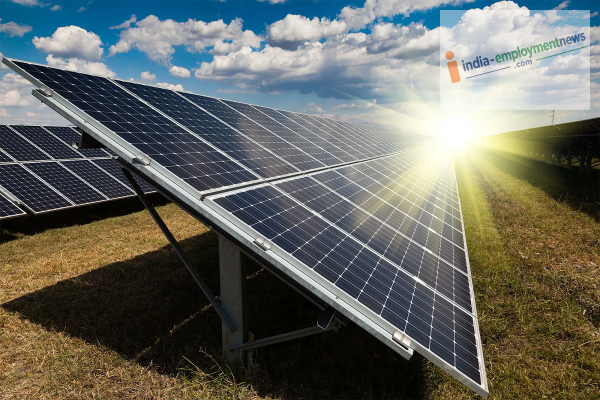
Solar Panel: Government subsidies significantly reduce the initial cost of installing solar panels.
Solar Panel: Solar energy is rapidly gaining popularity these days. Amid rising electricity prices, more people are opting to use solar panels in their homes. However, a common question arises when installing them: how long will it take to recover the installation cost? Let’s break down the math.
What factors determine the cost of solar panels?
The cost of a solar system isn’t determined solely by the price of the panels themselves. It also includes expenses for the inverter, mounting structure, wiring, installation, and other components. If you opt for a system with battery backup, the total cost will be higher.
However, government subsidies can significantly lower the initial installation cost. Therefore, before finalizing the budget for a system, it is advisable to check the subsidy details applicable in your state and under the relevant schemes.
3kW Solar System
A 3kW solar system is an excellent choice for typical households. It can easily power appliances such as refrigerators, fans, televisions, lights, computers, and other essential home devices. In areas with good sunlight, a 3kW system generates a substantial amount of electricity, leading to significantly lower electricity bills. With annual savings ranging from approximately ₹30,000 to ₹45,000, the initial investment can be recovered in about 4 to 7 years.
5kW Solar System
A 5kW solar system is a better option for households with higher-than-average electricity consumption. It is capable of powering heavy appliances such as air conditioners, geysers, washing machines, and water pumps. It is worth noting that while the initial cost of a 5kW system is slightly higher than that of 1kW or 3kW systems, it offers significantly higher electricity generation. If your monthly electricity bill runs into several thousand rupees, installing solar panels can drastically reduce it. From this perspective, the cost of installing a 5kW solar panel system can be recovered in approximately eight years.
Considering Electricity Consumption is Crucial
When purchasing a solar system, simply comparing the prices of 1kW, 3kW, and 5kW systems is not enough. First, review your electricity bills from the past 6–12 months to determine your average monthly consumption. If your household electricity consumption is low, a 1kW solar panel system is sufficient. Conversely, for households with high electricity usage, a larger system is more beneficial.
Subsidies Can Change the Financial Equation
Subsidies should be factored in when calculating the payback period for a solar system. Government subsidies reduce your out-of-pocket expenses, thereby shortening the time required to recover your investment.
How Long Do Solar Panels Last?
High-quality solar panels are designed for long-term use; typically, they have a lifespan of around 20 to 25 years. However, their power generation capacity gradually declines over time. This means that once the system pays for its initial cost—usually within 4 to 7 years—the electricity generated over the subsequent years can significantly boost your savings.
Therefore, several factors should be considered when installing solar panels at home. While the initial setup requires a lump-sum investment, solar panels can yield substantial long-term benefits.
-
Jim Chanos Warns CoreWeave’s AI Moat Depends On Nvidia, Calls Neoclouds ‘Financial Conduits, Not Technology Companies’

-
Drug Kingpin Virendra Basoya’s Smuggling Journey from 2006 to Arrest

-
Class 5 Student Saves School Cook From Electric Grater Accident, CM DK Shivakumar Praises Courage

-
Bengaluru Metro: CAG Flags ₹104 Crore Loss Over Lower Premium For IKEA Land Deal
-
Noida Tragedy: Teen’s Rage Against Strict Father Ends in Double Tragedy