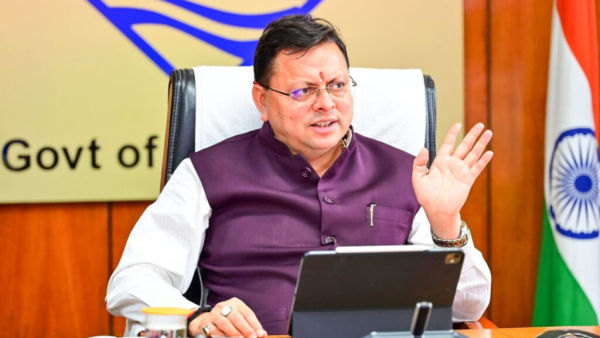
Uttarakhand: The worst flash floods and debris flows in Dharali and Tharali are over. The first priority at that time was the safety of human life and restoration of stalled civil facilities. This initiative of the State Government has led to long-term rehabilitation of the victims and bringing their lives back on track, instead of being limited to only immediate relief operations. This effort of the Uttarakhand government is now being recognized as 'Dhami Model', where after the disaster, only temporary help is not given, but the infrastructural development is adapted to the future challenges.
Construction of safe Himalayan structure
This phase of reconstruction also includes strategies to reduce the risk of future natural disasters. Disaster management framework based on modern technology, weather tracking, satellite mapping and early warning systems has been implemented in the state.
Stabilization of hill slopes, landslide proof walls, strengthening of river embankments and changes in engineering standards are being done to ensure that the built infrastructure can withstand future flows.
Rescue infrastructure restoration
Immediately after the disaster, State Disaster Response Force (SDRF), National Disaster Response Force (NDRF), Indian Army and local administration were simultaneously deployed on the ground. Work was started to restore basic facilities along with providing medical services and supplies to the affected areas. The collapse of roads, electricity and drinking water lines in remote hilly areas like Dharali, Tharali, Harshil and Bhatwadi is like cutting off the lifeline for any community. A cut off road in the mountains means no access to hospitals, schools and markets. According to state government data, an amount of more than Rs 33 crore was sanctioned for relief, rehabilitation and development works across the region.
Special emphasis on livelihood restoration in rehabilitation
The most important part of the rehabilitation process has been the resumption of livelihoods. Of the allocated amount, more than Rs 16 crore was invested in creating infrastructure through departments like animal husbandry, irrigation, horticulture, agriculture, rural development, energy, tourism and public works.
An amount of more than Rs 17 crore was transferred directly into the accounts of the affected families as financial assistance. Special attention was paid to the basic foundations of the hill economy, i.e. compensation for apple orchards, encouragement of sheep and goat rearing, distribution of seeds and plants and improvement of cultivable land.
Same attitude was seen in Joshimath crisis also
An example of this administrative approach to rehabilitation was also seen during the Joshimath landslide crisis. The city was divided into danger, buffer and safe zones, with affected families shifted to hotels, guest houses and safe shelters. Displaced families were provided a monthly rent allowance of Rs 4,000, interim assistance of Rs 1.5 lakh, waiver of water-electricity bills and three different rehabilitation options. A massive reconstruction plan worth more than Rs 1,658 crore was prepared based on reports from scientific institutions like ISRO, IIT Roorkee and GSI.
-
UP Issues Strict Anti-Adulteration Order For Paneer, Khoya, Other Milk Products
-
Why drink warm water on an empty stomach after waking up in the morning? Know the Ayurvedic and scientific benefits behind it

-
Will KL Rahul Gall bat on the second day of the test or not? Coach gave fitness update

-
Sanjay Manjrekar gave a big statement on Devdutt Padikkal's first test century. Read

-
WTC 2025-27: Bangladesh's win changes the equation; Australia's dictatorship in danger! India was also left behind