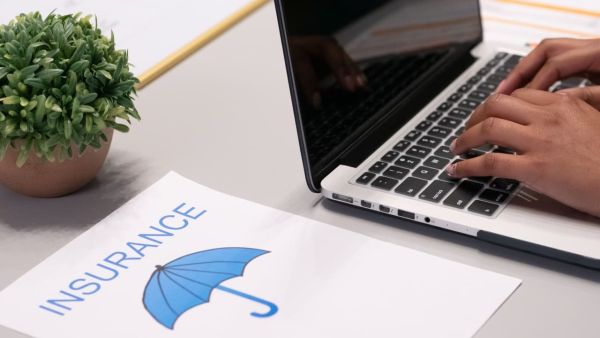
A report by Get Covered reveals how AI is being integrated into insurance operations, handling repetitive tasks in underwriting, customer service, and claims. This shift allows human professionals to focus on complex decisions requiring judgment.
Artificial intelligence is increasingly helping insurance companies reduce the time and resources spent on repetitive administrative work, as insurers move AI from isolated pilot projects into everyday operations, according to a report by Get Covered an insurance tech firm.
AI Integration Across Key Insurance Areas
The report said AI is being embedded across underwriting, customer service, fraud detection, claims processing and internal operations. Instead of replacing insurance professionals, AI is being used to handle routine tasks so employees can focus on decisions that require judgement and experience. The repetitive work being targeted includes analysing documents, identifying missing information, handling routine customer queries, organising claims documentation, preparing reports and consolidating large volumes of customer and risk information for underwriters.
Enhancing Customer Service and Claims Processing
The report said AI-powered customer service capabilities can handle routine inquiries around the clock before transferring more complex cases to licensed representatives. It mentioned that across the industry, such routine-inquiry automation now covers up to 80 per cent of repetitive customer contacts, freeing licensed agents to focus on conversations requiring human expertise.
Claims processing is another area where AI is reducing manual work. Computer vision models can evaluate vehicle damage from uploaded photographs, while generative AI can help adjusters organise documentation and prepare reports.
"AI is helping insurers analyze documents and identify missing information before a human ever becomes involved. And importantly, it is not replacing insurance professionals. Instead, these systems are removing repetitive administrative work so employees can focus on higher-value decisions that require judgement and experience," Brandon Tobman, CEO of Get Covered, said.
Assisting in Underwriting and Fraud Detection
In underwriting, AI assistants are increasingly being used to consolidate information and recommend next steps instead of requiring underwriters to manually review dozens of documents and disparate data sources. The report said the final underwriting decisions continue to remain with humans.
AI is also being used in fraud prevention, where insurers are looking to identify unusual behaviour and inconsistencies that may be missed by humans. The report noted that the same technology is also being used by fraudsters to create sophisticated fake documents, manipulated images and synthetic identities.
Industry Adoption and Future Outlook
The report said AI has become an integral part of the operating model of US insurance companies in 2026, with insurers embedding the technology across customer service, claims, underwriting, fraud detection and internal operations. It cited Allstate and Progressive as companies that have expanded AI-powered customer service capabilities, while USAA (United Services Automobile Association) has partnered with Google Cloud to develop computer vision models that map vehicle damage photographs to repair-or-replace predictions for individual parts.
The report said the broader shift is towards AI systems that handle routine work while human employees remain responsible for complex decisions, judgement and accountability. (ANI)
(Except for the headline, this story has not been edited by Asianet Newsable English staff and is published from a syndicated feed.)-
Quote of the day by Pablo Picasso: “I am always doing that which I cannot do, in order that I may learn how to do it.”
-
Blackpink’s Lisa showcases luxury bags from Louis Vuitton, Loewe, Celine

-
Nicole Kidman reveals her secret ‘stealth mode’ for nights out

-
How The 4 Planets In Retrograde Are Affecting Each Zodiac Sign

-
Michelin-recommended restaurant in UK to close after one year