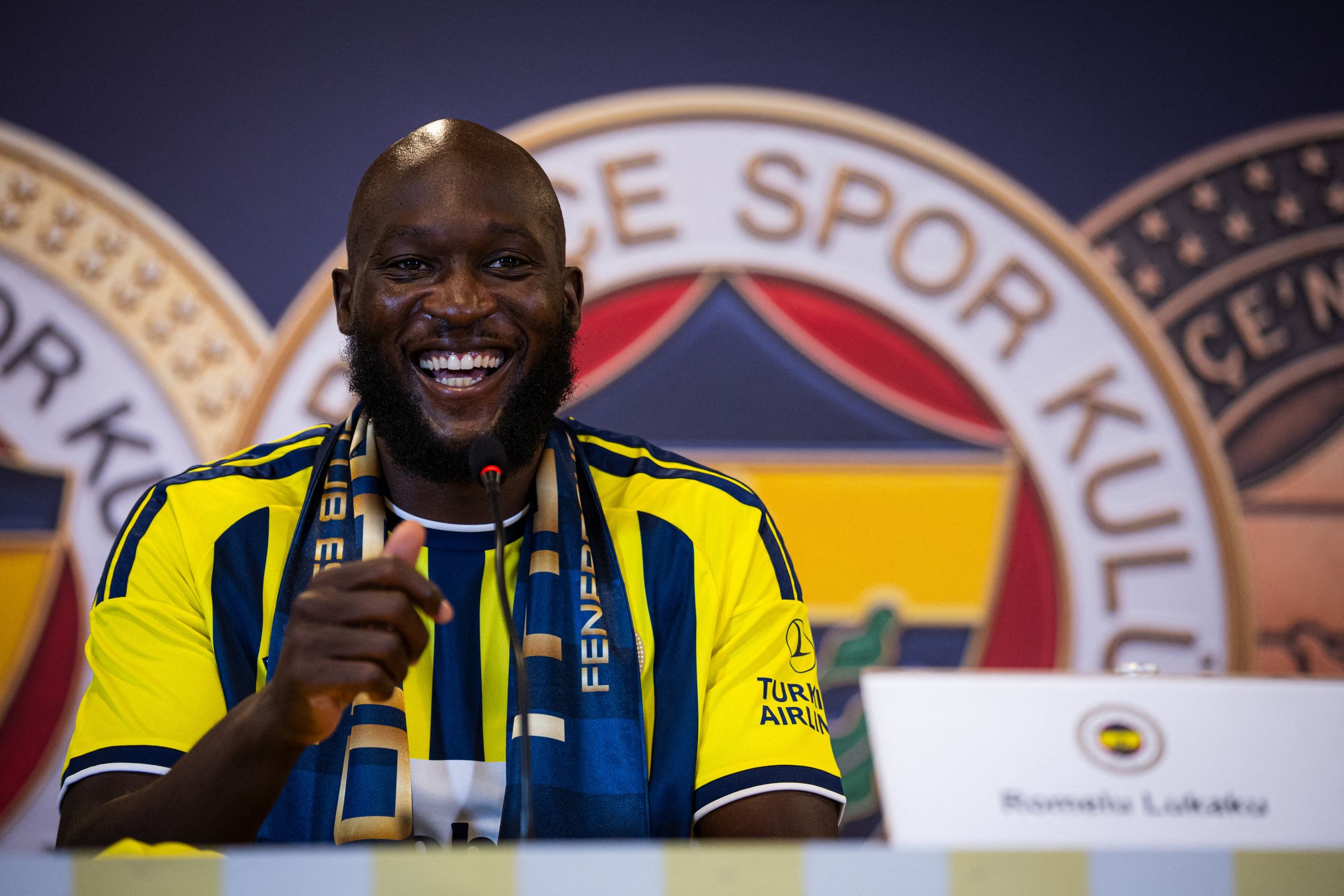
Has the bubble burst on Saudi Arabia’s football dream? And is Turkiye now perfectly placed to take advantage?
Kyle Walker to Burnley. Rio Ferdinand to Queens Park Rangers. No more examples are really needed. Everyone knows the meme: slideshow images of Euro 2020’s biggest names in a much older 2026, wearing the Castore kit of their new clubs, smiling for the camera while looking as though the spark has almost gone from their eyes.
Mohamed Salah in a Trabzonspor shirt felt the most unsettling example this summer, if we are being honest — a bit like stroking a dog the wrong way. Surely he still had something left to offer at the very highest level. FourFourTwo’s Kedar Bayley was equally baffled, describing it as “farcical and rage-inducing” that after insisting he still wanted to compete, Salah ended up in Istanbul and not even with one of the city’s bigger clubs.
Leroy Sane’s unexpected move to Galatasaray at 29 was another difficult one to process: sad, really, that he had stepped away from Europe’s top five leagues only six or seven years after being one of the most thrilling young players in English football, though it was also intriguing to imagine him alongside Victor Osimhen. Now Dusan Vlahovic — once likened to Erling Haaland — is heading to Besiktas to play with Leandro Trossard, arguably the Premier League champions’ best attacker last season. Lesley Ugochukwu, Wilfried Singo, Marco Asensio and Nathan Ake, surely, are all still good enough for Europe’s top five leagues, are they not?
It is not quite accurate to label this a retirement league. Yes, some of these players have passed 30 — but even the most cynical online troll would struggle to dismiss all of them as “washed”. More and more talent is heading to Turkish clubs, and not merely for dental treatment or hair transplants. The Super Lig appears to have taken over from the Saudi Pro League as football’s preferred destination for a very specific kind of transfer: highly paid players in their late 20s to early 30s whom Serie A clubs simply cannot afford. To put that into perspective, N’Golo Kante moved from Saudi Arabia to Fenerbahce this summer. The much-loved box-to-box midfielder was one of the Pro League’s prized names when its recruitment drive began a few years ago, with Sadio Mane, Karim Benzema, Ruben Neves and, naturally, Cristiano Ronaldo all heading to the Gulf state. Gabriel Martinelli — another player clearly capable of operating at a high level in Europe, and Arsenal’s top scorer in cup competitions last season — had regularly been linked with Saudi Arabia. Now, he is being linked with Galatasaray. It used to be that if you moved to Saudi Arabia, everyone assumed it was for the money — but that was acceptable, because you could still point to the league’s ambition and its long-term aim of making Saudi a true football nation, something that almost certainly will not happen until after 2034, once they have hosted the World Cup and long after you have retired, collected your salary package and disappeared to launch Atletico Boise in MLS. By contrast, if you moved to the Super Lig over the last five to 10 years, the perception was different. The assumption was that Saudi Arabia did not quite want you for one reason or another, but that you still fancied the comfort and wages the Turkish league could provide. Consider Osimhen’s messy split with Napoli. Consider Jhon Duran and whatever exactly happened there.
Things have changed. At the time of writing, the Pro League’s marquee signing of the summer is Crysensio Summerville. A fine player, of course — while Turkish clubs continue to be linked with elite-level talent, including wonderkids Ethan Nwaneri and Rodrigo Mora. It is quite a reversal. Critics have been quick to say that a bubble has burst in Saudi Arabia. That feels too simplistic, though: it was always going to be impossible to keep signing another Ronaldo, Benzema or Kante every single season until the Pro League overtook Europe’s top five leagues. Saudi Arabia’s Public Investment Fund (PIF) has scaled back several global sporting projects as it refocuses on domestic priorities within the country — including a reported retreat from financing LIV Golf — while Newcastle United supporters have been left wondering how high the club really ranks in the nation’s wider ambitions. As FourFourTwo associate Adam Clery recently suggested on The Overlap Fan Debate, perhaps Saudi Arabia simply wanted a place at the table in European football. Solange rather than Beyonce; there to compete in the beautiful game, not necessarily to conquer it. Turkiye does, however, offer a few things Saudi Arabia cannot. It is not trying to construct a top league from scratch. While the Turkish national team only made its return to the World Cup this summer for the first time in 24 years, the country is far more deeply rooted in the sport. It has produced talent consistently over the last three decades and currently boasts two of Europe’s more exciting young players in Arda Guler and Kenan Yildiz.
There is an established pecking order and a clear identity as well. Galatasaray and Fenerbahce are famous rivals, while Besiktas are regular contenders at the highest level too. Trabzonspor and Istanbul Basaksehir are determined to disrupt the established order — so this is not a one-club league or a simple duopoly where anyone outside the elite side becomes irrelevant. There is also a football culture in Turkiye that Saudi Arabia has not yet built: when you picture Turkish football, you think of the cliches of tifos with underworld themes, flares, and so much smoke that you can barely make out the names on the shirts. There may well be Al-Nassr diehards who are deeply grateful to Cristiano Ronaldo for putting their club on the map and helping them win the league title — but if you shine in the Super Lig, you are effectively worshipped. Yet all of that still misses the most obvious explanation — the one key reason Turkish football is slightly better equipped for a Mohamed Salah or a Sadio Mane than Saudi Arabia ever was — and it became especially clear when Galatasaray beat Liverpool almost a year ago with the likes of Sane, Osimhen and Singo involved, while Lucas Torreira, Ilkay Gundogan and Mario Lemina formed a midfield that 2019 would have been proud of. The attraction is European football. No Turkish club has ever gone beyond the quarter-finals of the Champions League. Just as many people wondered whether the Saudi Pro League might genuinely begin competing for Europe’s attention, it is always a cautious claim to say, “hey things could genuinely change,” simply because these clubs can afford Romelu Lukaku and Vlahovic. But there is a real possibility of having two Super Lig teams among the elite: Galatasaray are in Pot 3 for the Champions League, while Fenerbahce face Lyon in the qualifiers — and with only eight of the 36 teams going out during the league phase, reaching the European knockout rounds has never looked more achievable.
Galatasaray’s UEFA Cup triumph in 2000, meanwhile, still stands as the model for modern Turkish clubs. Salah’s Trabzonspor and Trossard’s Besiktas are in the Europa League qualifiers, with Basaksehir in the Conference League — knowing that the final of that competition will be held in Istanbul next year. UEFA competitions are more open than ever now that Sevilla no longer drop into the Europa League and clean up. With the greatest respect, West Ham United and Crystal Palace have both won European trophies in recent seasons: there is no reason a Turkish side cannot make a deep run in those tournaments. None of this is entirely new. Roberto Carlos and Guti were among the league’s early high-profile arrivals, before Wesley Sneijder, Didier Drogba and Nicolas Anelka all moved to Istanbul; Robin van Persie and Mesut Ozil also had spells there. Leagues are not always bubbles so much as balloons, swelling with talent before the inevitable exhale comes, when the big names leave and even bigger names do not replace them. Hate to break it to you, but the Premier League will not reign forever, and one day we will be having awkward conversations about where all the best players ended up. Turkish football is not suddenly about to rival English football, but there is enough substance behind it to suggest it can sustainably support the level of talent it is now attracting. Perhaps it is time to start viewing it as a genuinely credible destination for players who still have plenty of ambition left.
-
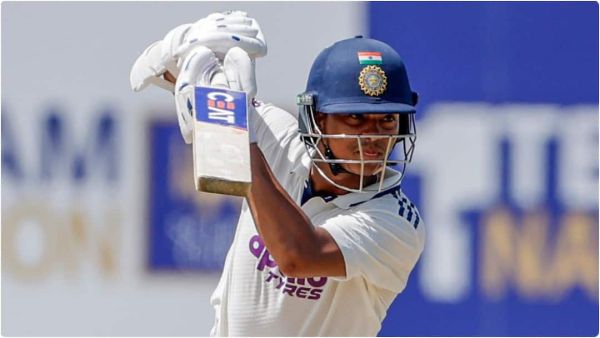
Yashasvi Jaiswal Follows Sachin Tendulkar's Footsteps, Scripts Unique Record
-
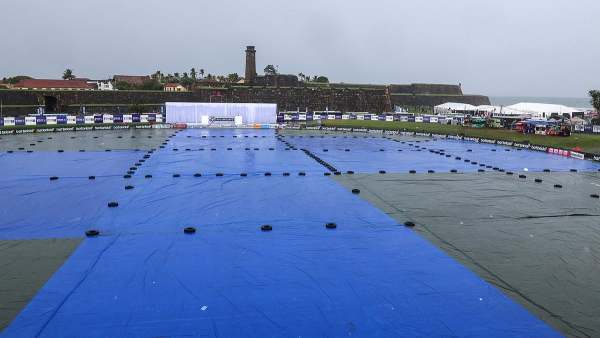
India Vs Sri Lanka, 1st Test: Rain Delays Start Of Day 2 In Galle After Team India Reach 288/2
-
Joint CSIR-UGC NET June 2026 Provisional Answer Key Released; Here's How To Raise Objections At csirnet.nta.nic.in

-
Sambhal: School Porch Collapses During Independence Day Event, 8-Year-Old Boy Killed, 2 Injured

-
Maharashtra SSC, HSC Registration 2027 Underway: Check Details Here