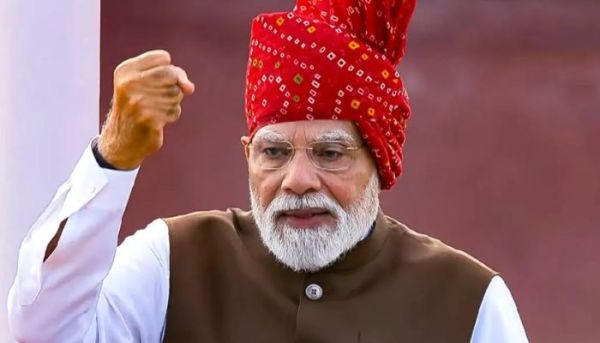
Sanjay Dave, AhmedabadIndia’s 80th Independence Day is not just a celebration of independence in 1947, it is a day, an event and an occasion that has kept alive the pride, independence and dignity of every Indian. When we ask ourselves whether we are using that freedom responsibly or not. Prime Minister Narendra Modi presented his vision of a self-reliant and developed India to the nation today on the occasion of Pawan Parva, emphasizing on youth, technology, manufacturing, national strength and the goal of Developed India@2047 from the Red Fort.
The first lesson for every Indian is that freedom is not just a right – it is also a responsibility. Our freedom fighters did not sacrifice their lives just to replace foreign rulers with Indian rulers. They dreamed of an India where every citizen could live with dignity, express opinions, question authority and participate in nation-building. It raises an important democratic question: Should citizens take to the streets to make their problems heard? Protest is certainly a legitimate democratic tool. When governments fail to listen, peaceful protest can be an important expression of public opinion. But democracy cannot survive if every grievance has to become a road block, strike or agitation.
A mature democracy requires many channels of communication – elected representatives, parliament and state legislatures, courts, local governments, media, public consultation, social organizations and responsible digital platforms. Citizens must have the courage to question, but also the wisdom to choose peaceful, constitutional and constructive methods.
Similarly, governments have a responsibility to listen to people before they are forced to shout. The strength of a democracy is not measured by how loudly citizens protest, but by how seriously institutions respond to legitimate grievances.
Prime Minister Modi’s call for self-reliance and national development also has a deep social message. A developed India cannot be built by the government alone. It needs disciplined citizens, honest public servants, responsible political parties, ethical businesses, innovative youth and an awakened civil society.
Another lesson is that political differences should not become social divisions. Democracy gives us the freedom to disagree with the government, the opposition and even each other. But differences should never destroy national unity. Political competition is healthy; don’t hate
The third lesson is that patriotism must go beyond symbolism. Hoisting the tricolor, singing the national anthem and remembering the freedom fighters are essential, but patriotism is equally visible in paying taxes, respecting women, protecting public property, helping the poor, rejecting corruption, obeying the law and performing one’s professional duties faithfully.
Finally, Independence Day reminds us that the India of tomorrow will be shaped by the choices of ordinary citizens today. The Prime Minister’s vision of a developed India@2047 can be meaningful only when development reaches every section of the society and when citizens feel that their voices matter. So India’s 80th Independence Day gives us a powerful message: Don’t be silent when something is wrong, but don’t destroy what is right when opposing it. Question authority, respect institutions, demand accountability and choose constitutional paths. The freedom our forefathers won should not be celebrated just once a year. It should be practiced every day – with courage in our voice, responsibility in our actions, tolerance in our politics and compassion in our society, it will be a true tribute to the freedom fighters – and will be the strongest foundation for the India of 2047.
-
69 Indian tourists among those missing after Nepal floods

-
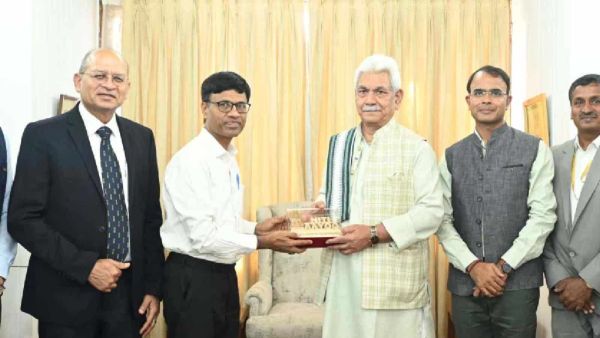
NITI Aayog delegation calls for better education infra in J-K
-
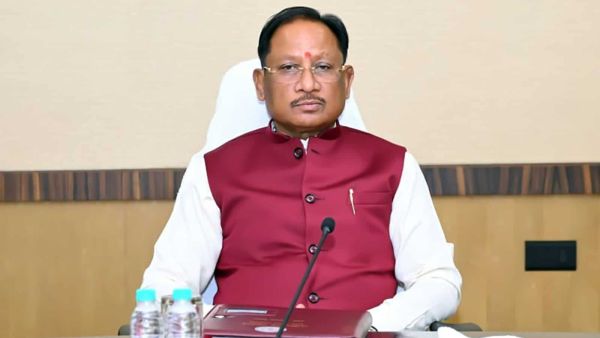
‘Congress treated tribals as ‘vote bank’, says Chhattisgarh CM
-
AB de Villiers Has A Message For All After Kohli-Sachin Controversial Comparison
-
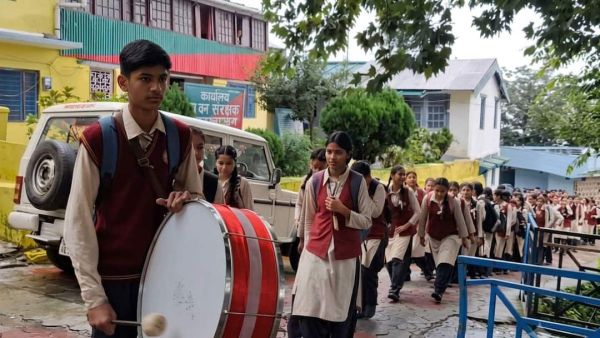
Uttarakhand Students Protest Over Dangerous Trees On School Route, Beat Drums Outside DFO Office