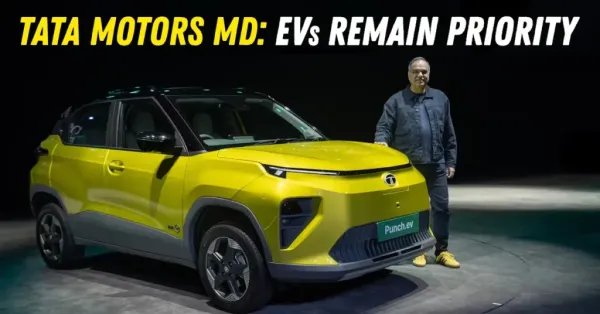
Tata Motors Passenger Vehicles is sticking with an EV-first strategy and has no plan to make hybrids the centre of its powertrain line-up for now. Managing Director and CEO Shailesh Chandra says the company has hybrid technology available if market conditions demand it, but Tata will continue to put its main effort behind battery-electric cars.
The decision comes at a time when Tata’s EV volumes are accelerating again. The company sold more than 34,000 electric cars in Q1 FY27, its highest quarterly EV volume so far. EVs accounted for around 19 per cent of Tata’s passenger vehicle sales during the quarter. In July, that share rose to 24 per cent and monthly EV wholesales crossed 15,000 units for the first time.
Mr. Chandra’s argument rests heavily on how the two technologies are growing. Electric passenger vehicles now account for more than 8 per cent of the market, while hybrids have remained around 1.5-2 per cent. Tata expects EV penetration to reach about 10 per cent by the end of FY27.
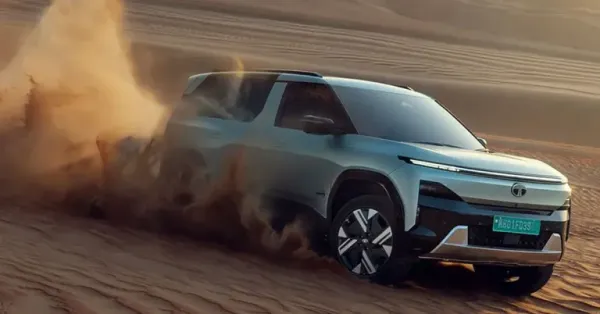
June retail data also shows the pace of change. Electric passenger vehicle registrations rose to 31,823 units from 15,318 a year earlier, a gain of more than 100 per cent. EV penetration for the month increased to 7.7 per cent from 4.8 per cent. Tata remained the largest EV player in June with 12,187 registrations, ahead of Mahindra and JSW MG Motor.
This does not mean Tata thinks hybrids have no role. Chandra has made it clear that the company can introduce them if customer demand or regulation changes enough to justify the move. Strong hybrids already give buyers a petrol car that can deliver lower fuel use without requiring external charging, so the technology has a clear customer case. For the moment, though, Tata is treating it as a reserve option rather than a parallel product strategy.
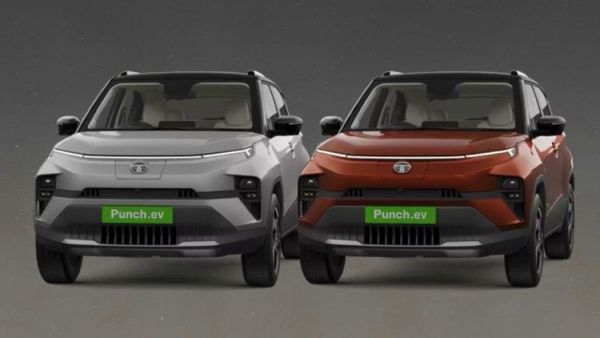
The company has already increased monthly EV production from roughly 9,000 units to more than 15,000 and plans to raise it further. That is a practical sign of where its immediate spending and factory attention are going. Tata is also planning Rs 33,000-35,000 crore of investment in its passenger and electric vehicle businesses between FY26 and FY30 as it targets much higher volumes by the end of the decade.
The wider market is also shifting away from a petrol-and-diesel-only mix. CNG, hybrids and EVs together accounted for 40.35 per cent of passenger vehicle retail sales in June. Higher fuel prices have added to the attraction of alternatives, but buyers are clearly splitting across different technologies rather than moving in one direction.

Tata also sees tighter Corporate Average Fuel Efficiency rules as another reason to keep EVs at the centre. These regulations look at the average efficiency and emissions of a manufacturer’s fleet. An electric car therefore gives a manufacturer a powerful way to reduce its fleet average.
Hybrids can also help, which is why rival carmakers may continue to use them as part of their compliance strategy. Tata’s choice is therefore less about whether hybrids work and more about which technology it wants to scale most aggressively.
For Tata, the bet is that growing EV demand and stricter fleet-efficiency rules will make a dedicated electric push more useful than adding hybrids across the range. The company is keeping the technology ready, so it has room to change course. For now, however, it’s clear: EVs remain the priority. Hybrids are on stand-by.
-
Honda Says Manual Gearboxes Are Still Part of Its Plans Despite Civic Si Pause
-
Mate Rimac Says Top-End Sports Cars Will Continue with Petrol Engines for a Long Time
-
Allegations alone are not findings: CJI on Rajasthan Chief Justice
-
Revoke RSS chief Mohan Bhagwat’s visa: US panel to Trump
-
Bigg Boss 20 contestants list: 12 confirmed names with photos