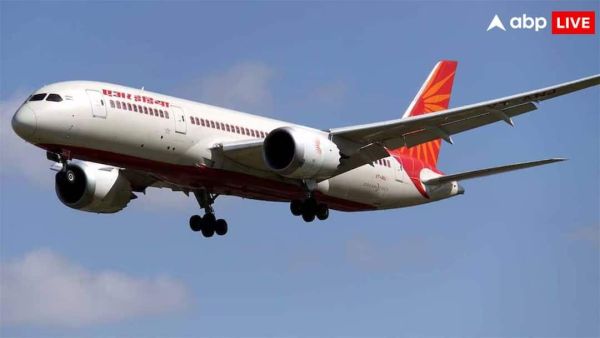
Two more Air India pilots have failed the preliminary drug test ordered by the Tata-owned airline following the Phuket-Delhi flight incident that left several people injured.
The results of their final tests are awaited, while both pilots have been de-rostered in the meantime, according to NDTV.
Air India ordered all its pilots to undergo drug testing as part of a new standard operating procedure (SOP) following the incident. The pilot-in-command of the Phuket-Delhi flight had earlier failed two urine tests conducted after the aircraft landed, with marijuana detected in his system.
More than 300 Air India pilots have so far undergone the testing process, according to sources. The results of the final drug tests generally take between 24 and 48 hours to arrive.
Air India Expands Drug Testing After Flight Incident
The airline's decision to test its pilots came after the Phuket-Delhi flight incident and the subsequent testing of its pilot-in-command. A cabin crew member on the flight was also believed to have filed a complaint alleging that the pilot had previously smoked “pot”.
Air India has maintained that it conducts regular drug testing of crew members in accordance with civil aviation regulations and that such testing is not linked specifically to any individual flight or operational incident.
The latest tests, however, are being conducted as part of the new SOP introduced by the airline following the Phuket-Delhi incident.
Airbus A320neo Suffered Sudden 300-Foot Drop
The flight involved an Airbus A320neo that experienced a sudden drop of around 300 feet. The incident initially came to be reported as being linked to “turbulence”, but aircraft system data later provided greater clarity about what happened.
The aircraft's system logs indicated a simultaneous loss of control of key flight surfaces, including the elevators and ailerons, for around four seconds. The spoilers also lost control as a consequence of the same hydraulic failure.
Multiple Hydraulic Failures Affected Flight Controls
During those four seconds, the A320neo's elevators and ailerons moved without pilot command following multiple failures involving the aircraft's three hydraulic systems. Such an occurrence was described as unprecedented in operations involving this type of airliner.
Hydraulic systems are crucial for controlling an aircraft's flight surfaces. Elevators control the aircraft's pitch, moving the nose up or down, while ailerons control its roll by tilting the wingtips. Spoilers reduce lift and increase drag, helping an aircraft descend or slow down, including during landing.
Air India's position has been that crew members undergo regular drug testing as required under civil aviation regulations, independent of any particular flight or operational incident.
-
Harry Kane ready for Bayern Munich contract talks after entering final year of current deal

-
Capricorn Horoscope Today, August 19, 2026: You Will Increase Mutual Happiness, Share Information

-
Scorpio Tarot Horoscope Today, August 19, 2026: Stay away from arguments, will take interest in business performance

-
Capricorn Tarot Horoscope Today, August 19, 2026: Capricorns Will Receive Honour and Respect, Relationships May Experience Ups and Downs

-
US sanctions ICC chief, vows wider campaign