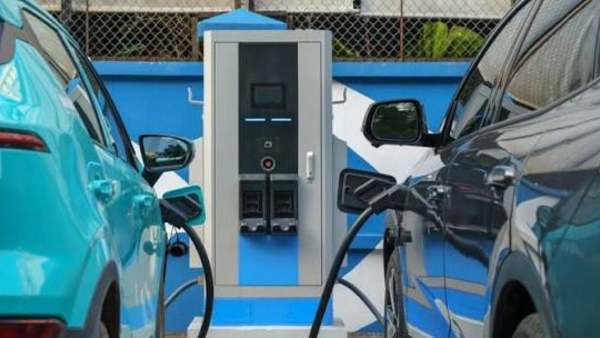
India's shift to electric mobility will follow a distinct path, led initially by two- and three-wheelers before passenger cars drive greater battery and mineral demand. Lithium, copper, nickel and cobalt needs could surge sharply. The report calls for a national critical-minerals strategy focused on overseas partnerships, recycling, alternative batteries, refining and domestic manufacturing.
New Delhi: India's transport sector comprises a diverse mix of two-wheelers, auto-rickshaws, buses, trains, and passenger cars, each of which is expected to electrify at a different pace, and thus distinguishes the country's transition to electric mobility from that of Europe and the US, where it is largely driven by cars, according to an article.
Also Watch:
As a result, India’s electrification pathway is likely to differ significantly from that of other major economies. As millions of electric vehicles enter Indian roads over the coming decades, demand for critical minerals such as lithium, copper, nickel, and cobalt is expected to rise to unprecedented levels, in some cases even exceeding recent global production benchmarks, the article in The Policy Edge stated.
Given the diversified pattern of vehicle ownership, India’s electrification journey will not place uniform pressure on mineral supply chains over time, it noted.
-
Wayne Rooney says Marcus Rashford must show the right hunger to break his Manchester United goals record

-
Brawl over girl’s shorts at Sinhagad; RW group booked

-
Qazi Touqeer confirmed for Bigg Boss 20; check out full list

-
Joe Root On Verge Of Breaking Test Record! Needs Just 79 More Runs

-
Dhruv Jurel's Catch Sparks Controversy! Sri Lanka Veteran Questions Decision