Iran has warned that it will adopt a “fully offensive” military posture after efforts to negotiate a permanent end to its war with the US stalled, a senior Iranian official told Reuters on Monday. The warning came as Washington ruled out extending a temporary ceasefire agreement, raising fears that the conflict could intensify.
Progress towards renewed peace talks has also stalled, while efforts to restore oil tanker traffic through the strategically vital Strait of Hormuz have failed to advance. The deadlock threatens to prolong the conflict that began after the US and Israel launched attacks on Iran on February 28.
The Iranian official said Tehran was prepared to take action if diplomacy failed, including a “timely and precise” military strike aimed at breaking the US naval blockade. Iran also warned that tensions could rise across the Strait of Hormuz and the wider region.
Iran Warns Of Action In Strait Of Hormuz
“Iranian entities must be prepared to escalate tensions in the Strait of Hormuz and wider region, as Iran will be ready to make decisions and take action on difficult decisions,” the official said.
A memorandum of understanding signed on June 17 had set a 60-day deadline for Iran and the US to reach a broader agreement covering Tehran’s nuclear programme and US sanctions. The arrangement called for the “immediate and permanent termination of military operations on all fronts”.
However, the agreement quickly came under strain over the issue of control of the Strait of Hormuz. The narrow waterway had carried about a fifth of the world’s oil and liquefied natural gas before the war, making the dispute a major obstacle to efforts to secure a lasting settlement.
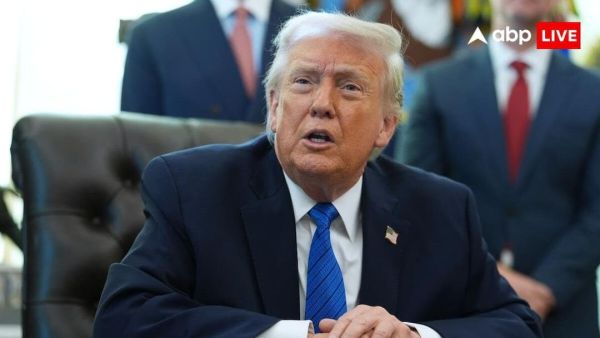
Asked on Monday whether Washington was seeking to extend the interim agreement reached in June, US President Donald Trump said it was not.
Back-Channel Contact With IRGC
One potential opening for diplomacy emerged through reported back-channel contacts between the Trump administration and Iran’s Islamic Revolutionary Guard Corps (IRGC), which has gained greater influence during the war and controls significant parts of Iran’s armed forces and economy.
Axios, citing two sources familiar with the discussions, reported that former Director of National Intelligence Tulsi Gabbard spoke with an Iraqi Kurdish leader who has close links to the IRGC. Through that intermediary, the US reportedly conveyed a message to IRGC commander Gen Ahmad Vahidi. Fox News later reported that Trump confirmed the contact in a telephone interview.
The Trump administration has reportedly questioned whether Iranian negotiators involved in formal talks have the authority to speak on behalf of the IRGC, according to Axios. Reuters has separately reported that Vahidi had emerged as a pivotal figure during the conflict. Axios said Vahidi responded that he was aligned with the Iranian negotiating team.
Despite the uncertainty, Trump's son-in-law and special envoy Jared Kushner said in an interview with Fox News chief foreign correspondent Trey Yingst on Monday that communication between Washington and different parts of the Iranian government was extensive.
“I can't go into the details of it, but I will say that the conversations between the US government and different areas of the Iranian government at all areas is probably more robust than it's maybe ever been,” Kushner said.
-
IGNOU July 2026 Admission: Registration Deadline Extended To August 31, Apply Now

-
Bombay High Court Takes Suo Motu Action Over 15-Day Water Shortage At Mumbai University’s Madam Cama Girls’ Hostel

-
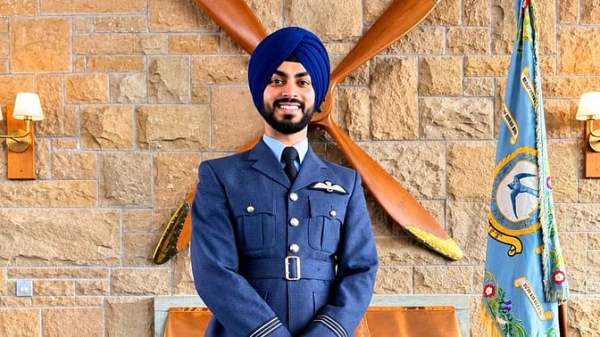
Indian-Origin Arshdeep Singh Dang Becomes UK's First Sikh RAF Fighter Pilot Since World War II
-
Pakistan's Childhood Malnutrition Crisis Deepens As Nearly 40% Children Face Stunting Threat

-
Pisces Tarot Horoscope Today, August 18, 2026: Avoid negligence and carelessness, maintain positivity in various matters