Everything you need to know about Liverpool’s takeover arrangement and the Amazon founder’s part in it.
Liverpool are set to receive investment from one of the world’s richest individuals.
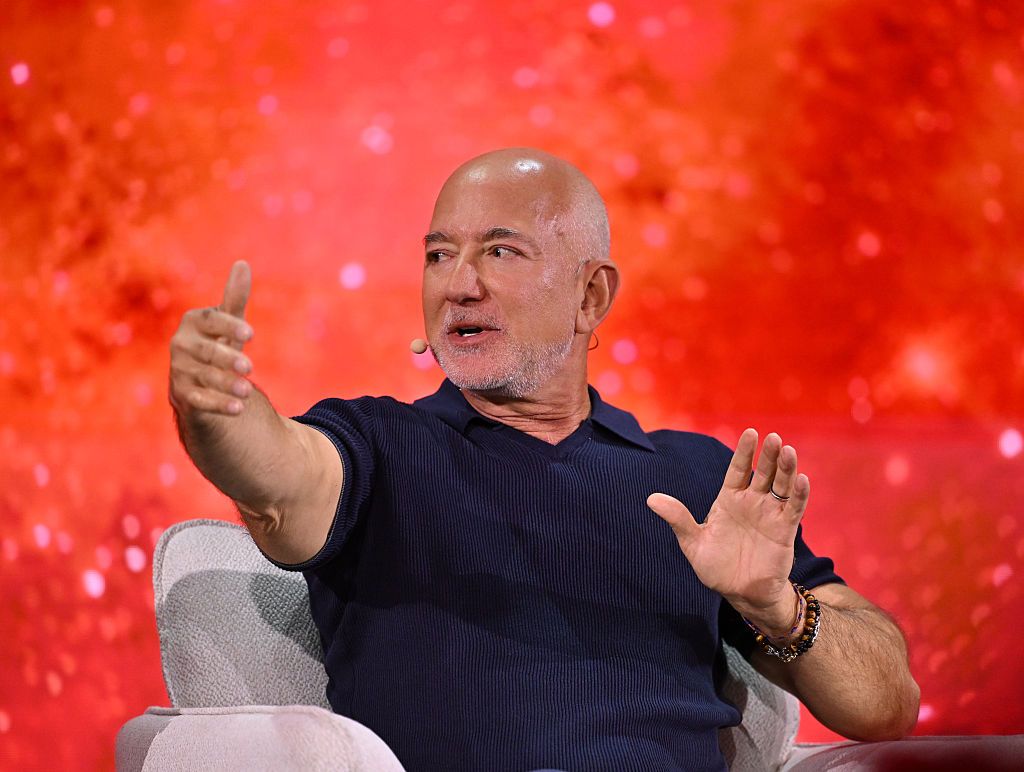
Amazon founder Jeff Bezos is the most high-profile name among the new investors who are coming in to purchase a stake in the club.
So what do we know about the agreement, what exactly is Bezos’ role, and what can Liverpool supporters expect to happen next?
No. Bezos is the founder and largest individual shareholder in Amazon, but his involvement with Liverpool is entirely separate from that. He is investing his personal wealth through a consortium rather than acquiring the club as an Amazon subsidiary.
The real position is that Fenway Sports Group have agreed to sell a 30% stake in the club to a group called 1892 Holdings, which is headed by British-Indian businessman Amit Bhatia. Bezos is one of the investors in 1892 Holdings alongside Eduardo Saverin, Elaine Saverin and the Mittal family.
A deal worth £1.65bn has been agreed, valuing the club at roughly £5.5bn.
However, the takeover still requires approval from the regulators of the English game. No problems are expected in that process, although even in the best-case scenario it could take as long as three months.
The Guardian has reported that Bhatia, Elaine Saverin and Bryan Baum are expected to join the club’s board, while Bezos is viewed as a ‘passive investor’ and is not expected to take a seat on the board.
FSG will still retain a 70% ownership share, and the club’s day-to-day operations are expected to remain unchanged in the immediate future.
That is very different from the situation at Manchester United, where Sir Jim Ratcliffe and INEOS hold a similar stake in the club but have assumed control over how it is run, including making changes at senior management level.
FSG maintain that this is not part of an exit strategy, and they have previous experience of bringing in fresh investors without giving up control of the club. In 2021, they sold around 10-11% of FSG itself, rather than the club directly as is happening here, to a consortium called RedBird.
The simplest answer to this is ‘no’, because of the way Premier League spending rules operate.
The top flight has moved to a system called Squad Cost Ratio from 2026/27, which effectively caps on-pitch spending — player transfer fees and wages — at 85% of football revenue plus net profit from player sales.
Money injected by owners does not count towards that calculation, so Liverpool’s budget will remain unchanged in the immediate term.
However, there are far fewer restrictions on what owners are allowed to finance off the pitch, and that is where the takeover could prove helpful if the new minority owners are prepared to fund it.
FSG have not held back when it comes to infrastructure spending, most notably through the expansion of Anfield from its previous 45,000 capacity to 62,000 over the past decade or so.
Investments of that kind, when executed well, can increase a club’s revenues and therefore give them more financial room to work with on the pitch over the longer term.
There is no indication that they will at this stage, but it would not be a surprise.
Amazon Prime’s All or Nothing series has already gone behind the scenes at Manchester City, Tottenham, Arsenal and, next, Manchester United.
Naturally, Bezos having influence with both Amazon and Liverpool could create a straightforward link between the two.
But it would be foolish to think Liverpool were not already the next obvious candidate on that list even before Bezos’ investment, and it is doubtful whether his involvement really changes that.
-
Four Premier League attackers on Tottenham Hotspur’s transfer shortlist as summer spending plans continue

-
Arsenal move closer to Ezri Konsa signing from Aston Villa to strengthen title defence
-
Durand Cup: Defending champs NEUFC face Mohun Bagan in semifinals
-
Yami Gautam as a witch? ‘Nayyi Navelli’ first look, release date out

-
Durand Cup: East Bengal beat SC Delhi on penalties to reach final