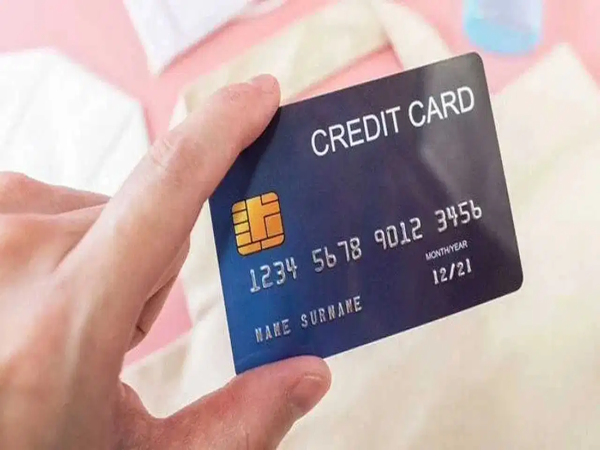
Credit cards have become an integral part of our daily lives. They provide immediate financial assistance when needed and offer benefits like reward points. However, if spending and bills are not managed carefully, a credit card can lead to a mounting debt burden. Thus, a credit card is neither inherently good nor bad; its impact depends entirely on how wisely you use it.
1. When to view the credit card as a friend
A credit card proves to be your best friend when used as an alternative to cash. If you pay your entire bill before the due date each month, you enjoy an interest-free credit period of 45 to 50 days. Additionally, you can reduce your monthly expenses through perks such as airport lounge access during travel, cashback on purchases, reward points, and discount offers. Moreover, regular and responsible usage strengthens your credit score, making it easier to secure home or car loans in the future.
2. How people fall into the debt trap
The biggest risk associated with credit cards arises when people spend beyond their actual financial means. Many mistake the bank's "minimum amount due" option for the full bill and pay only 5% to 10% of the total amount. Banks charge steep interest—ranging from 3% to 4% per month (translating to an annual rate of 36% to 42%)—on the outstanding balance. Furthermore, withdrawing cash from an ATM using a credit card attracts heavy interest and processing fees from day one.
3. Points to remember while using a credit card
To avoid the pitfalls of credit card usage, it is advisable to utilize only 30% of your total credit limit. For instance, if your monthly income is ₹50,000, you should not spend more than ₹15,000 using your credit card. Set your spending limit based on your salary or actual monthly income, and never spend money thinking of it as "extra" funds. Always pay your bills two or three days before the due date using auto-debit or online banking to avoid issues caused by technical glitches.
4. Credit Card vs. Debit Card: Which is better?
When using a debit card, money is deducted directly from your bank account, meaning you can only spend what you actually have. A credit card, on the other hand, allows you to spend on credit (borrowed money). If you lack financial discipline and tend to overspend impulsively, a debit card is the safer option for you. However, if you can maintain control over your budget and wish to take advantage of free offers, using a credit card correctly can prove to be more beneficial.
5. Easy ways to escape the debt trap
If you are already caught in credit card debt, the first step is to stop using the card immediately. Use your savings to pay off the card with the highest interest rate first, or convert the debt into manageable EMIs through a low-interest personal loan or a "balance transfer" option. Contact your bank to have your credit card limit reduced so that there is no scope for unnecessary spending in the future.
Disclaimer: This content has been sourced and edited from TV9. While we have made modifications for clarity and presentation, the original content belongs to its respective authors and website. We do not claim ownership of the content.
-
National Sports Awards 2025: Tejaswin Shankar, Vidit Gujarathi, Divya Deshmukh Among 17 Sportspersons Named For Arjuna Award

-
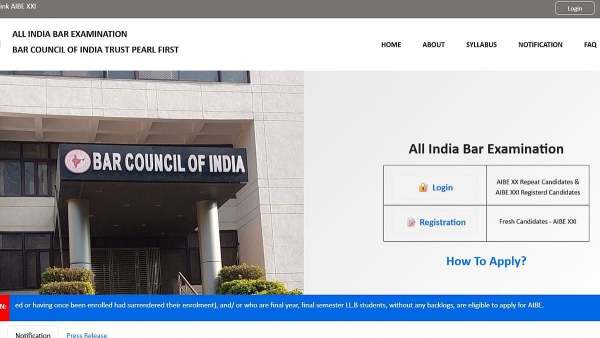
AIBE 22 Registration 2026 Begins Tomorrow At allindiabarexamination.com; Check Dates, Fee, Documents And Steps To Apply
-
'Education Officials Should Send Their Children To Govt Schools,' Says CJP Founder Abhijeet Dipke

-
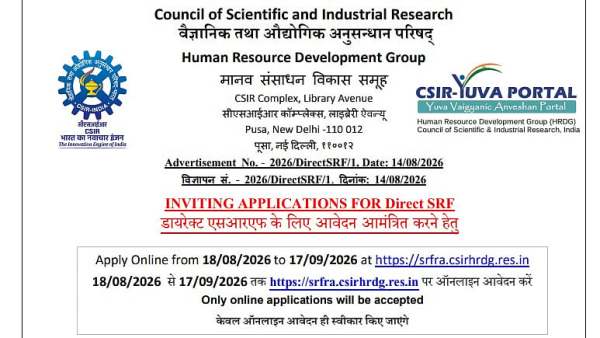
CSIR Direct SRF 2026: Applications Invited For Senior Research Fellowships; Selected Candidates To Get Rs 42,000 Monthly Stipend
-
'Dumb & Poor Decision': Malayalam Film Premalu Removed From OTT Amid Rumours Of Veer Pahariya's Prem Keetanu Being Remake Of It; Netizens Upset