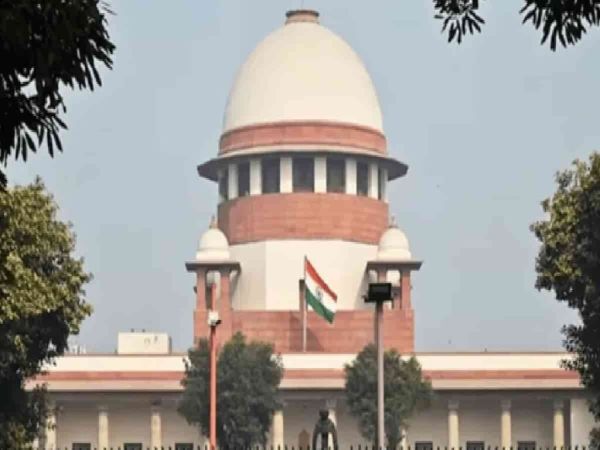
In a significant ruling aimed at cleansing the electoral process and curbing political interference, the Supreme Court of India on Monday declared that state governments can no longer unilaterally withdraw criminal cases registered against candidates for electoral irregularities and corrupt practices. A bench comprising Justices Sanjay Karol and N.K. Singh ruled that prior approval from the relevant High Court will now be mandatory for dropping such cases, extending a legal safeguard previously applicable only to sitting Members of Parliament (MPs) and Members of Legislative Assemblies (MLAs) to all contesting candidates.
Upholding Moral Integrity in Constitutional Democracy
Addressing the common practice where successive state administrations drop charges against politically connected candidates following a change in government, the apex bench delivered a strong message. The court emphasized that extending this judicial oversight to all candidates ensures that electoral malpractice is treated with the seriousness it deserves.
The bench further underlined that a robust constitutional democracy expects an unyielding level of moral integrity and truthfulness from anyone seeking to represent the public.
Combating the Abuse of Political Power
Expressing deep concern over the erosion of institutional fairness, the court criticized the arbitrary withdrawal of criminal proceedings, noting that such politically motivated decisions run entirely counter to the spirit of a fair criminal justice system. Pointing to the Election Commission’s stance that electoral offenses should rarely, if ever, be condoned, the bench reiterated that the separation of powers in India’s republic must be vigorously safeguarded against executive overreach.
Strict Directives on Black Money and Speedy Investigations
To root out the pernicious influence of black money in elections, the Supreme Court issued a series of binding directives to law enforcement and regulatory bodies:
Income Tax Intervention: If a static surveillance team recovers cash exceeding ₹10 Lakhs during election checks, the matter must immediately be referred to the Income Tax Department for thorough financial investigation and action.
Time-Bound Investigations: Investigating officers have been instructed to make every possible effort to complete inquiries and conclude investigations within one year from the date a case is formally filed.
Concluding its observations, the court stressed that democracy, the rule of law, and the electoral process are inextricably linked, warning that compromising even one of these pillars undermines the entire foundation of constitutional governance.
-
Harry Kane ready for Bayern Munich contract talks after entering final year of current deal

-
Capricorn Horoscope Today, August 19, 2026: You Will Increase Mutual Happiness, Share Information

-
Scorpio Tarot Horoscope Today, August 19, 2026: Stay away from arguments, will take interest in business performance

-
Capricorn Tarot Horoscope Today, August 19, 2026: Capricorns Will Receive Honour and Respect, Relationships May Experience Ups and Downs

-
US sanctions ICC chief, vows wider campaign