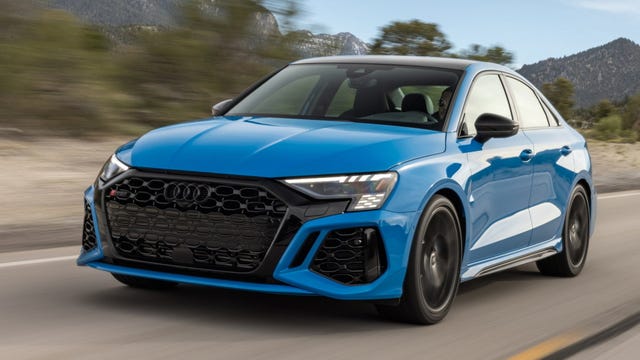
The distinctive and iconic Audi five-cylinder engine has long been seen as a powertrain living on borrowed time, but the inline-five may not be heading into retirement just yet. Audi Sport chief Rolf Michl has said efforts are still underway to find a future for the unusual odd-cylinder engine, even as fresh European emissions rules put its survival at risk. The encouraging part is that Audi clearly recognises what it has in this motor; the less encouraging reality is that nostalgia does not improve efficiency or soften regulatory demands.
Speaking recently to Autocar, Michl said Audi is “well aware” of the engine’s historical significance and confirmed that evaluations are still in progress. He described the five-cylinder as “so characteristic”, and that is difficult to dispute. There may be quicker engines and more efficient ones, but very few modern powerplants offer a soundtrack—or a story—quite like this one.
Audi launched its first inline-five in the 100 in 1976, and then turned the layout into a genuine legend through the original Quattro, the RS2, and a long list of road cars that all sounded just a little wild in the best possible way. Today, however, it remains in only two low-volume applications: the RS3 and the Cupra Formentor VZ5.
That limited production is part of the challenge. Meeting Euro 7 rules will reportedly require major updates to the engine’s filters, sensors, injection system, and catalytic converters. Audi CEO Gernot Döllner has already raised doubts about whether the company could recover that investment from such a small production run. Michl’s remarks, however, indicate that the brand is still considering a new RS3—and, by extension, a new five-cylinder engine.
The Audi Sport boss also described the compact RS model as an important gateway into the brand’s high-performance range. “Emotion starts in the compact segment,” he told Autocar, and it is hard to picture a more emotional small Audi than one powered by that unusual five-cylinder engine under the bonnet.
Hybridisation could help keep it alive, much as it has done for Audi’s V-6-powered RS5, but that would also bring extra weight, added complexity, and higher costs. The other route—and perhaps the one enthusiasts would welcome more—is greater volume. The RS3 and Formentor both use Volkswagen Group’s widely used MQB architecture, so in theory the engine could be deployed in more models. One rumoured possibility is an especially hardcore Volkswagen Golf R.
Audi Sport sold 36,000 cars worldwide last year, and the RS3 accounts for only a portion of that total. If Audi genuinely wants to preserve the five-cylinder engine, it may have to stop treating it like a rare heirloom built in limited numbers and allow more brands within the group to use it. Otherwise, its 50th anniversary may end up feeling like a very sad farewell tour.
-
Indian teen in UAE turns AI ideas into award-winning projects

-
Passenger Ferry Carrying 267 Capsizes Off Northern Cyprus; 100 Evacuated

-
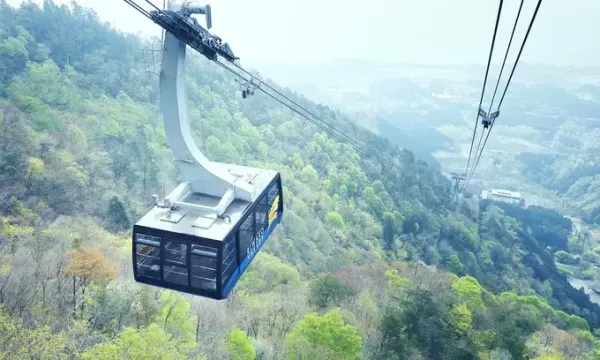
Japan unveils 220-meter bridge with views of its largest lake
-
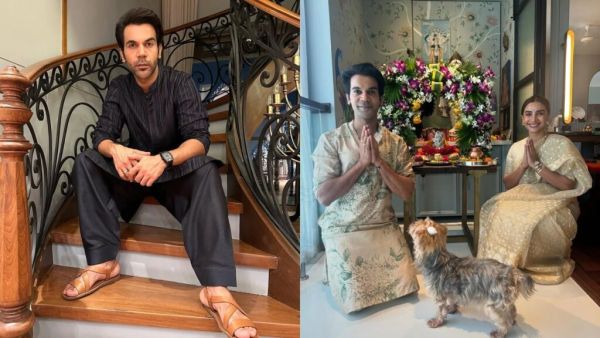
Inside Rajkummar Rao’s Rs 44 Crore Mumbai Home: Spiral Staircase, Buddha Statue, And A Puja Area
-
Freshly dried lemons brought from the market? Bajimat will be easy trick