Pakistan’s Military Capital Submerged After 36 Hours Of Rainfall
Shivank Mishra | August 19, 2026 8:11 PM CST
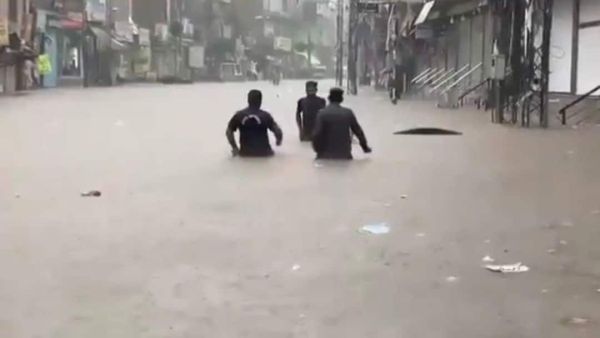
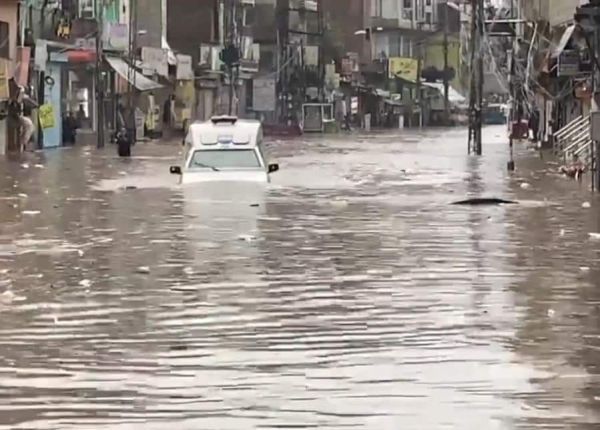
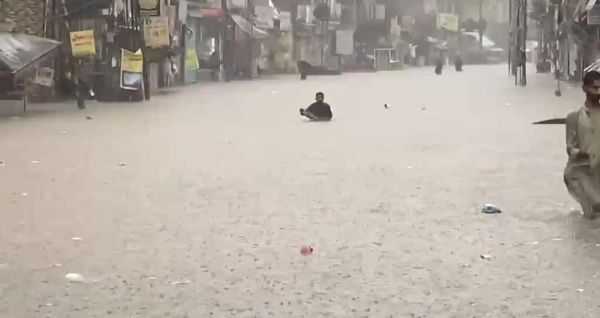
Pakistan’s major garrison city and military hub, Rawalpindi, has been submerged under heavy water following 36 hours of continuous monsoon rains. Key thoroughfares stretching from Lal Bazar to Rawalpindi Cantonment and the main Rawalpindi-Islamabad Expressway have turned into four-foot-deep rivers. According to data from the Pakistan Meteorological Department (PMD), the city received approximately 140 mm of rainfall over 36 hours. This downpour has exposed severe infrastructure failures in a city directly controlled by and heavily dominated by the Pakistani military establishment.
Deluge Leaves Residential And Commercial Hubs Underwater
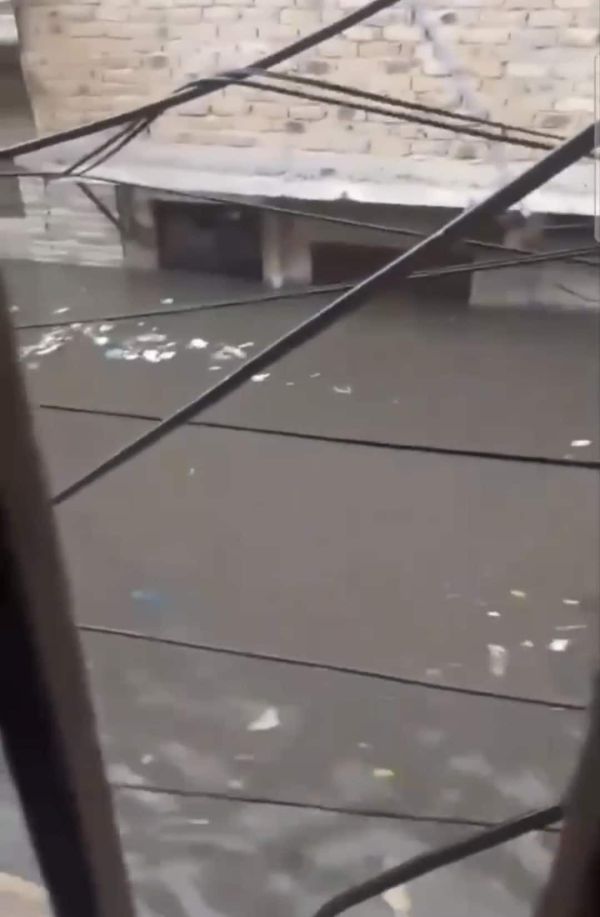
The flash flooding left vehicles completely submerged in areas like New Lalazar, where residents struggled to extract their cars. In the Cantonment district, local residents waded through waist-deep waters, police vehicles pushed through flooded market lanes, and civilians walked through chest-deep water while attempting to move their bicycles. Residential sectors including Sher Zaman Colony, Raja Akram Colony, Shalay Ghati Colony, Peoples Colony, and Tench Bhatta were heavily hit, with single-story houses fully submerged. In Raja Bazar, rapid, wave-like currents washed away municipal dustbins, while the Nullah Lai flooded at dangerous speeds, sending floodwaters downstream towards neighbouring areas. The deluge extended into the capital city of Islamabad, leaving roads in the upscale F-10 sector flooded.
Infrastructure Collapses Despite High Civic Funding
Rawalpindi holds special administrative significance, having been under direct or heavy military control for over eight decades as the home to the General Headquarters (GHQ) of the Pakistan Army, alongside residential properties for both serving and retired military officers. Despite this high-profile status, civic management completely collapsed under the heavy rainfall, exposing systemic flaws in how maintenance responsibilities are divided across the city's municipal bodies.
The Water and Sanitation Agency (WASA), tasked with clearing major drains, constructing flood channels, and preventing urban waterlogging, operates with an annual budget of PKR 720 crore (PKR 7.2 billion). Simultaneously, the Rawalpindi Municipal Corporation (RMC), headed by Mayor Sardar Naseem Khan of the PML-N, handles internal drain construction, encroachment removal, and road maintenance with an annual budget of PKR 880 crore (PKR 8.8 billion).
Furthermore, the Rawalpindi Development Authority (RDA) manages regional drainage networks to prevent citywide flooding with PKR 876 crore (PKR 8.76 billion) annually, while the military-run Rawalpindi Cantonment Board (RCB) maintains a complete monopoly over all civic infrastructure within the Cantonment area, backed by an annual budget of PKR 200 crore (PKR 2 billion).
Public Scrutiny Over Tenders And Accountability
Despite a combined annual budget exceeding PKR 2,400 crore (PKR 24 billion) spent across the city by government and military bodies, the municipality failed to protect Rawalpindi from drowning. Over the past decade, out of all civic development tenders issued by the RMC and WASA, 67% of contracts were awarded to firms affiliated with retired Pakistan Army officers. The collapse of the city's drainage infrastructure despite billions in spending has drawn widespread public scrutiny regarding local contracting practices and overall civic accountability.